The Azores produce some of Europe's most distinctive foods: pineapples grown in whitewashed glass greenhouses, the continent's only commercially produced tea, honey from an endemic black bee, award-winning PDO cheeses, and passion fruit liqueurs with an unmistakably Atlantic character. The best place to find all of this in one spot? The archipelago's local markets — and above all, the Mercado da Graça in Ponta Delgada. This complete guide takes you through the best food markets and gastronomic products of the Azores, with practical tips on what to buy, taste, and bring home.
Mercado da Graça, Ponta Delgada: The Gastronomic Heart of the Azores
Opened in 1848 to replace the old trading areas near the quay, the Mercado da Graça is the most iconic municipal market in the Azores. Located at Rua do Mercado 15 in the historic centre of Ponta Delgada, it is the meeting point of local producers, village cooks, and travellers seeking authenticity. The neoclassical building is currently undergoing renovation, with the market temporarily operating in the adjacent underground facilities — but the atmosphere, the produce, and the energy remain unchanged.
Opening hours: Monday to Wednesday 7:30 AM–6:30 PM, Thursday 7:30 AM–7:00 PM, Friday 7:00 AM–7:00 PM, Saturday 7:00 AM–2:00 PM. Closed Sundays and public holidays. Friday and Saturday mornings offer the best experience, with the largest variety of fresh products arriving from producers across the island.
What to Find at Mercado da Graça
The market reflects the agricultural wealth of São Miguel and the wider archipelago:
- Fresh island produce: greenhouse pineapples, local bananas, yams, sweet peppers, and tropical fruits like annonas and araçazeiros — crops unique to the Azorean microclimate.
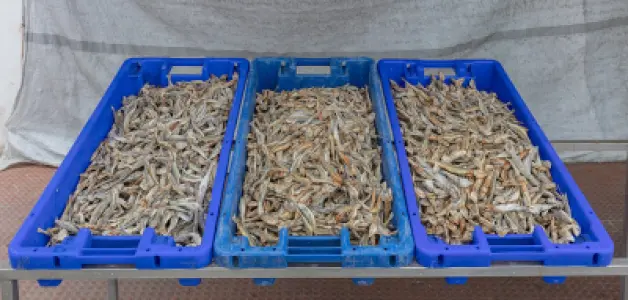
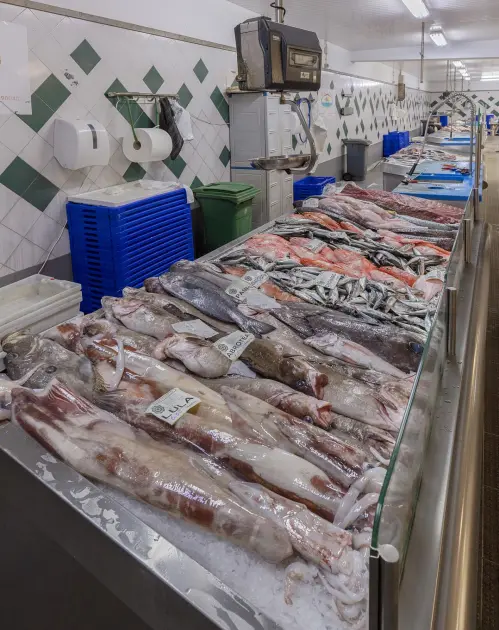
- Fish and seafood: fresh tuna, limpets, barnacles, horse mackerel, and octopus, landed in the pre-dawn hours.
- Meats and smoked sausages: artisan chouriço, linguiça, and morcela.
- Cheeses and dairy: fresh São Miguel cheese, cured island cheese, and the famous São Jorge DOP cheese, available at O Rei dos Queijos — the market's reference shop for Azorean specialities.
- Honey, jams, and liqueurs: floral and heather honeys, passion fruit and pineapple jams, artisan liqueurs, and traditional biscuits.
- Teas and herbs: bulk Gorreana and Porto Formoso teas, plus local aromatic herbs.
- Crafts: ceramics, embroidery, and locally produced souvenirs.
Azores Pineapple: Europe's Most Singular Fruit
The Azores pineapple (Ananas comosus var. comosus) holds a Protected Designation of Origin (PDO) label from the European Union and is, quite simply, unlike any pineapple you have eaten before. Cultivated exclusively on São Miguel since the mid-19th century — when a devastating fungal blight wiped out the island's orange groves — this pineapple began its journey as an ornamental plant from South America and became one of the archipelago's most defining agricultural products.
The production method is extraordinary. Plants grow in whitewashed glass greenhouses designed to replicate the humid, warm conditions of the pineapple's native tropical habitat. The complete growing cycle takes 18 to 24 months — compared to 12 months for industrially grown tropical varieties. Around four months after planting, the "smoking" process begins: chips and leaves are burned inside the greenhouses for 8 to 10 days, filling the space with thick smoke. This technique, discovered accidentally, forces all plants to flower simultaneously, ensuring consistent production timing.
The result is a small fruit with greener skin, golden-yellow flesh, and an intense, almost floral aroma and sweetness that no imported pineapple can replicate. Sugar content is significantly higher than industrial varieties. An Azores PDO pineapple costs between €4 and €8 at source — a fair price for a genuinely exceptional taste experience.
Where to Buy Azores Pineapple
Beyond the Mercado da Graça, you can visit plantations directly. The most visitor-friendly are Plantações de Ananases A. Arruda (Fajã de Baixo, São Miguel), which offers guided tours, and Estufazores, one of the island's oldest producers. Many hotels and restaurants in Ponta Delgada serve PDO pineapple as dessert — always order it when it appears on the menu.
Azores Tea: Europe's Only Commercial Tea Plantation
The Azores are the only territory in Europe with operating commercial tea plantations — a fact that surprises most visitors. Tea cultivation began in the late 19th century, initiated by the Sociedade Promotora da Agricultura Micaelense, which brought Chinese tea master Lau-a-Pan to the islands to teach cultivation techniques following the collapse of the orange trade. The Gorreana plantation, founded in 1883 by the Gago da Câmara family, is the oldest in Portugal and one of the oldest continuously operating tea estates in Europe.
Gorreana covers 32 hectares on the north coast of São Miguel, in the parish of Maia, 30 km from Ponta Delgada. It produces around 33 tonnes of fully organic tea per year, harvested between April and October. Traditional production methods are maintained: manual picking, withering, rolling, controlled oxidation (for black tea), and drying. The factory and plantation visit is free of charge and requires no reservation, open daily (Mon–Fri 8 AM–6 PM; Sat–Sun 9 AM–6 PM). The on-site shop sells Orange Pekoe black tea, green tea, and herbal infusions at very reasonable prices (€3–€8 per pack).
The second active plantation, Porto Formoso, is also in northern São Miguel and has a visitor centre with tasting sessions. Azores tea has a mild, slightly earthy flavour with herbal notes — excellent served hot or cold alongside a slice of bolo de mel (molasses cake). Always buy directly from the factories for the freshest product and to support local producers.
Azores Honey: Endemic Black Bee and Unique Floral Sources
Azores honey is produced by the Azorean black bee (Apis mellifera mellifera), an endemic subspecies that evolved in island isolation over centuries. Perfectly adapted to the humid Atlantic climate, this bee feeds on a distinctive local flora: white heather, hydrangeas, Surinam cherry blossoms, and natural pastures enriched by volcanic soil. The result is honey with aromatic profiles entirely distinct from anything found on the European mainland.
Heather honey — produced from the endemic Erica azorica — is dark amber in colour, with an intense, almost balsamic flavour carrying notes of resin and woodland. Floral honey from São Miguel is lighter, with delicate fruity notes. Several cooperatives and local beekeepers sell their honeys at the Mercado da Graça and in speciality shops across Ponta Delgada. Look for labels reading "mel dos Açores" or "mel de urze da Macaronésia."
Passion Fruit Liqueur: The Most Azorean of Digestifs
Passion fruit (Passiflora edulis) is one of the most emblematic fruits of the Azores. Introduced to the archipelago in the 19th century, it thrived in the subtropical Atlantic climate of the lower-altitude islands, particularly São Miguel and Faial. The Azorean variety has exceptionally aromatic pulp — intensely acidic, with a characteristic floral fragrance that differs markedly from tropical varieties.
Passion fruit liqueur is the most popular liquid souvenir of the Azores. Made by macerating passion fruit pulp and rind in cane spirit or grape marc, sweetened with sugar syrup, it has an alcohol content of 20–30% and a vibrant yellow-orange colour. It is the perfect digestif after a hearty lunch of Cozido das Furnas or grilled tuna. Passion fruit cream (creme de maracujá) — thicker and sweeter — is ideal drizzled over ice cream or used in desserts.
Beyond passion fruit, you will find liqueurs made from pineapple, blackberry, cherry, and aromatic herbs. The best artisan brands are sold at markets, in the port shops of Ponta Delgada, and directly by local producers. Most shops offer tastings before purchase — always take advantage of this.
São Jorge DOP Cheese: A Market Essential
While we cover Azorean cheeses in depth in our complete dairy products guide, no visit to an Azores food market is complete without mentioning São Jorge DOP cheese. Produced exclusively on São Jorge Island from raw cow's milk, with PDO status since 1996, this semi-hard to hard cheese has an intense, slightly spicy flavour, with crystalline inclusions in the older cured varieties. Minimum ageing is 3 months for young cured and over 7 months for extra-cured.
At the Mercado da Graça, O Rei dos Queijos is the destination: multiple cure levels of São Jorge cheese, fresh São Miguel cheeses, and a curated selection of other Azorean products. A 500g block of São Jorge DOP costs €7–€12 depending on ageing. For air travel, vacuum-packed, it keeps well for several days.
Other Markets and Fairs Across the Archipelago
Beyond the Mercado da Graça, each island has its own market rhythm:
- Mercado Municipal de Angra do Heroísmo (Terceira): in the heart of the UNESCO-listed city, with excellent smoked sausages, cheeses, and local honey.
- Mercado da Madalena (Pico): small but stocked with Licença PDO wines, Pico butter, and dried tuna.
- Holy Spirit Fairs (Festas do Espírito Santo): held between May and July on almost every island — the most authentic gastronomic event of the archipelago, with soups, bread, and meats served free to the community.
- Agricultural Market of Vila do Porto (Santa Maria): ideal for unique products from the southernmost island, including wines and melons.
Practical Tips for Buying Local Products in the Azores
- Buy at the source: visiting pineapple plantations or the Gorreana factory guarantees freshness and better prices than tourist shops.
- Air travel: fresh pineapple can be carried in hand luggage (no liquid restrictions); cheeses and teas travel easily; liqueurs must go in checked baggage (up to 5 litres of alcohol on most airlines).
- Best season: markets are richest between June and September, with all summer fruits available; tea is harvested April–October.
- Speciality shops in Ponta Delgada: Casa do Ananás and several shops in the historic centre stock vacuum-packed and long-shelf-life Azorean products.
- Brands to look for: Gorreana (tea), Comproeste (São Jorge DOP cheese), Estufazores (pineapple), Quinta dos Açores (artisan liqueurs).
Frequently Asked Questions About Azores Food Markets
Is Mercado da Graça open every day?
Mercado da Graça in Ponta Delgada is open Monday to Saturday. Hours are approximately 7:30 AM–6:30 PM (Monday to Wednesday), 7:30 AM–7:00 PM (Thursday), 7:00 AM–7:00 PM (Friday), and 7:00 AM–2:00 PM (Saturday). It is closed on Sundays and public holidays. Friday and Saturday mornings offer the best selection of fresh products.
Can I take Azores pineapple on a plane back to mainland Europe?
Yes. Fresh Azores pineapple can be transported freely to mainland Portugal and other EU countries with no restrictions. It is not subject to hand-luggage liquid rules. For flights outside the EU, always check the phytosanitary regulations of your destination country.
Where is the best place to buy Azores tea?
Directly from the Gorreana factory (Maia, São Miguel) or Porto Formoso (Santo António, São Miguel). Both have on-site shops with the best selection and prices. Tea is also available at the Mercado da Graça and in regional product shops in Ponta Delgada, though the range is smaller.
Can I bring passion fruit liqueur in carry-on luggage?
Liqueurs in carry-on luggage are subject to the standard 100 ml per container rule within the 1-litre clear bag allowance. For larger quantities, pack liqueurs in checked baggage. Within the EU, there is no quantity limit for personal use in checked luggage, but most airlines set a 5-litre limit for alcoholic beverages over 24% ABV.
What is the difference between fresh São Miguel cheese and São Jorge DOP cheese?
Fresh São Miguel cheese is soft, moist, and unaged — ideal for breakfast with honey and fruit. São Jorge DOP cheese is a raw-milk cheese aged for months, with an intense, slightly spicy flavour. They are completely distinct products: both exceptional, both widely available at the Mercado da Graça.
Conclusion: One Market, a World of Flavours
The food markets and local products of the Azores are one of the most compelling reasons to visit this archipelago. The Mercado da Graça is not just a place to shop — it is a living space where Azorean agriculture, gastronomy, and daily culture converge every morning. From the PDO pineapple to century-old Gorreana tea, from black-bee honey to fragrant passion fruit liqueur, every product tells a story of adaptation, ingenuity, and deep respect for the land.
If you are planning a trip to the Azores, reserve a Friday morning for the Mercado da Graça. Arrive early, take your time, taste everything offered to you, and leave with a bag full of Atlantic flavours. Explore more in our guide to Azorean cuisine and gastronomy and our complete 5-day São Miguel itinerary.