
Sao Miguel
- points of interest
- 73
- Area
- 745 km²
- inhabitants
- 137.856
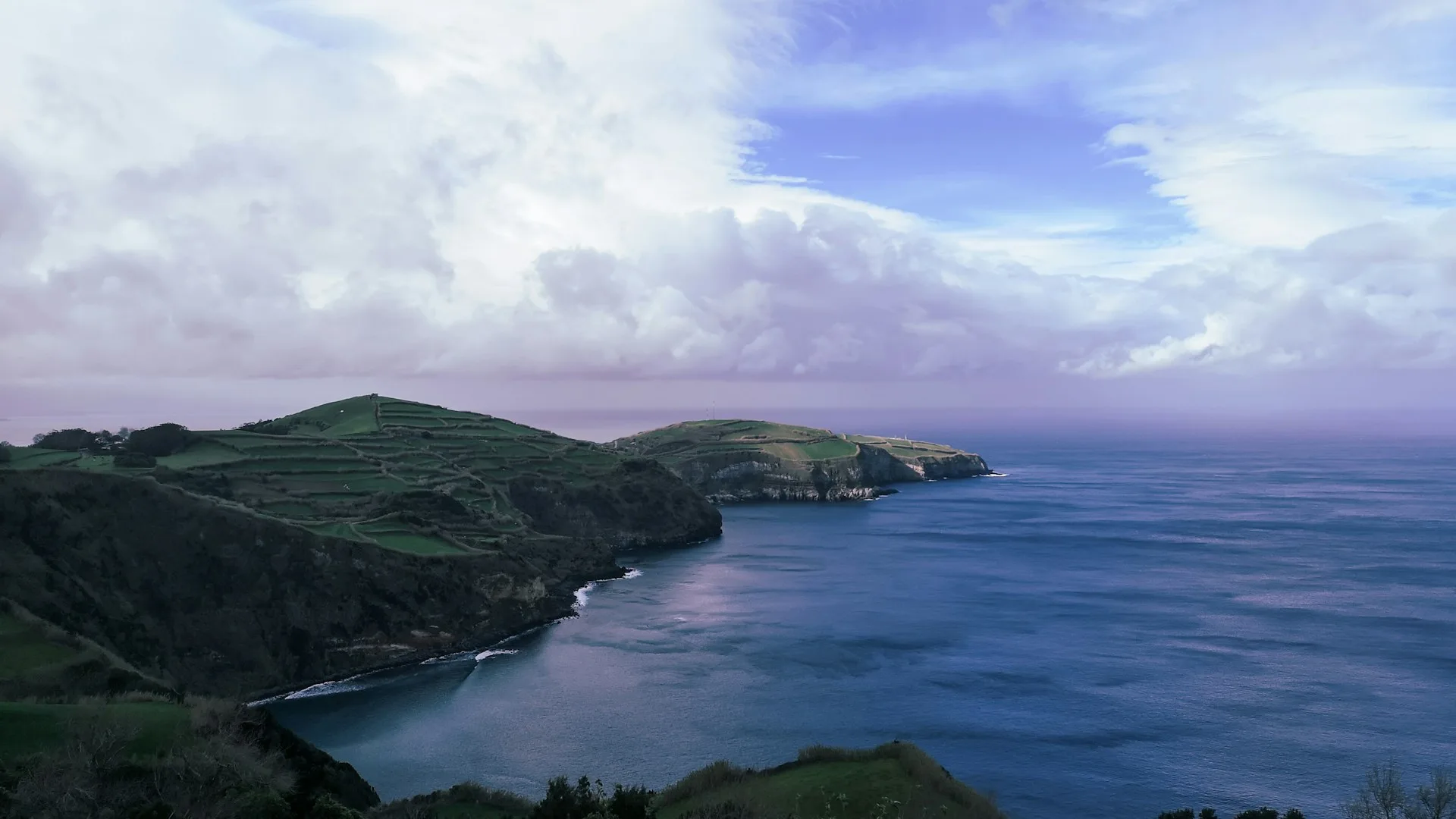
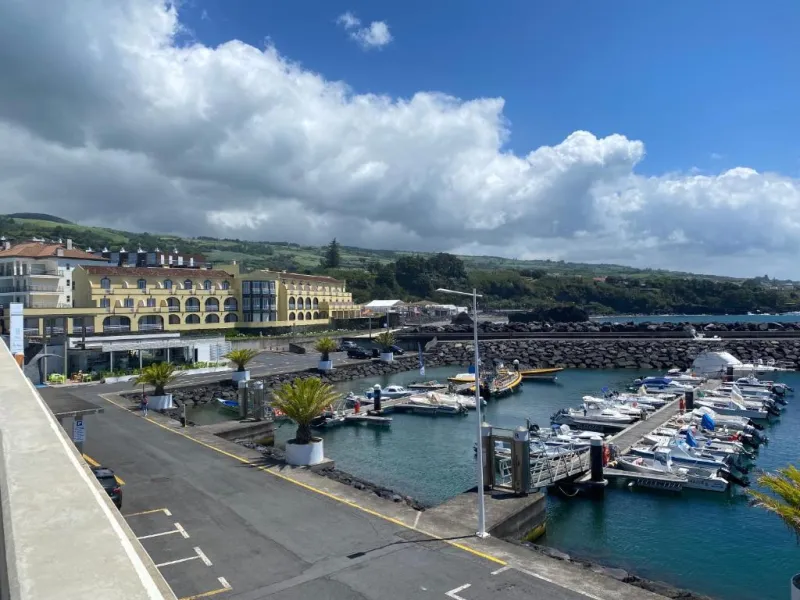
São Miguel is the largest and most visited island of the Azores, and the easiest place to start. Ponta Delgada, the regional capital, has the archipelago's main airport and the busiest harbour, so most trips begin here. Within an hour's drive you can go from crater lakes and hot springs to tea plantations, black-sand beaches and fishing villages.
What to see in São Miguel
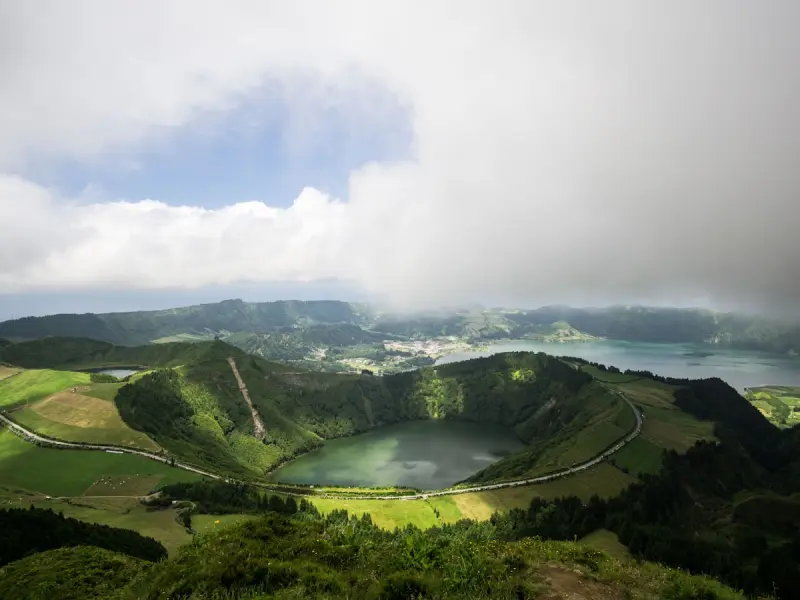
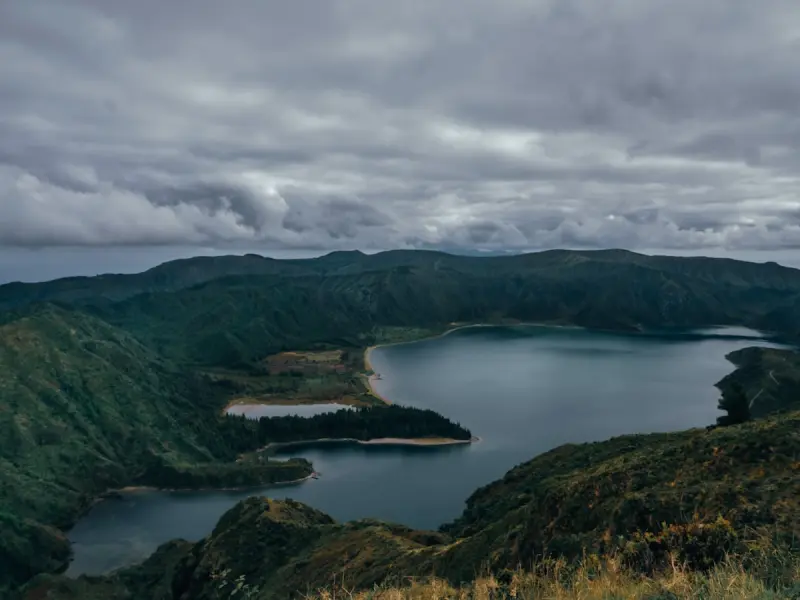
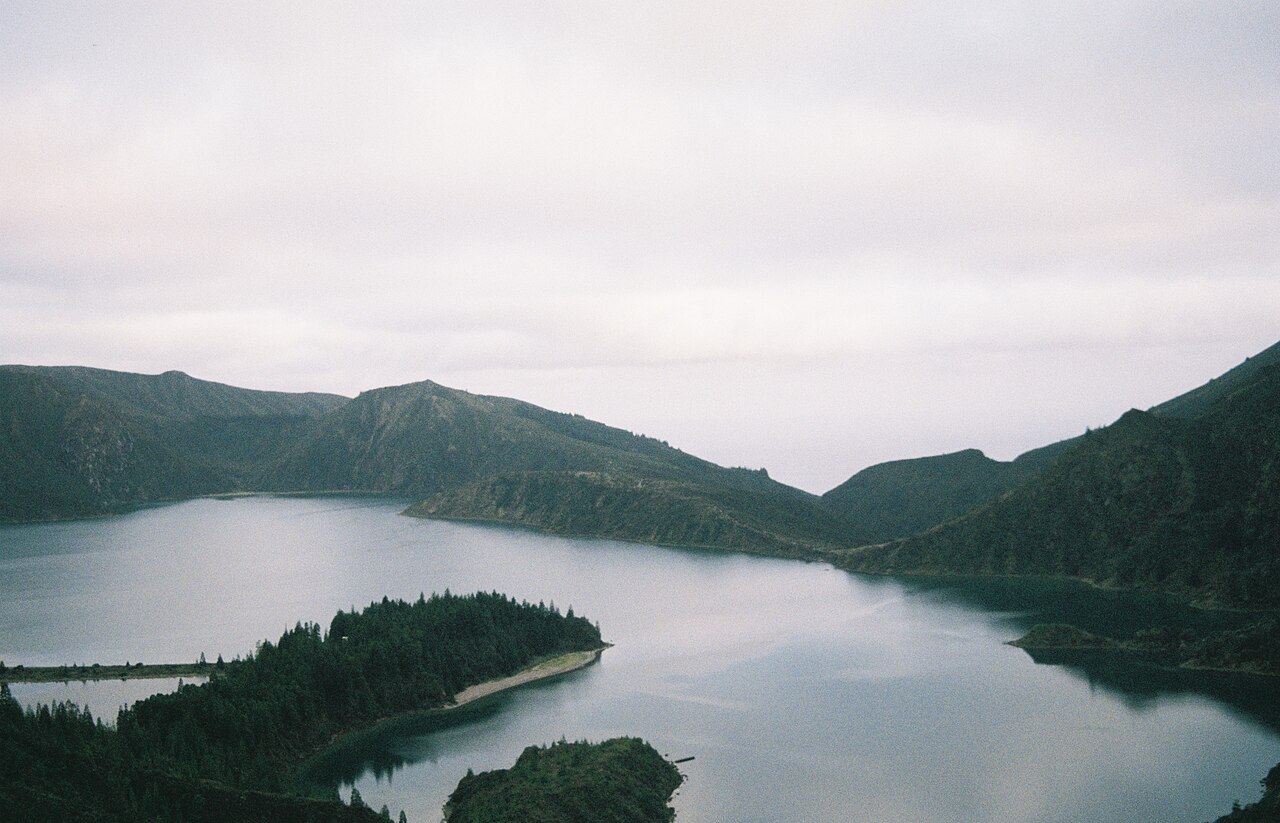
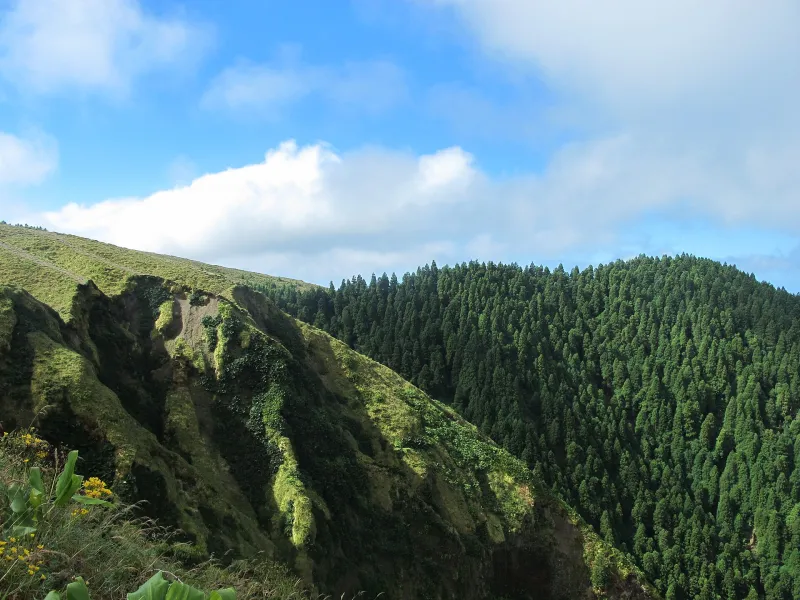
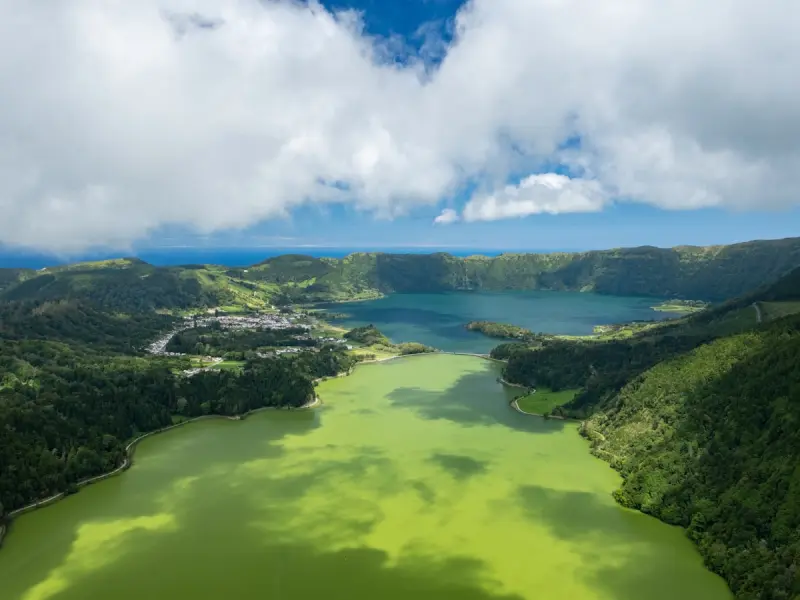
Sete Cidades is the island's best-known sight: a vast volcanic caldera holding two lakes, one blue and one green, joined by a narrow strip of water. The Vista do Rei and Miradouro da Boca do Inferno viewpoints are the classic places to see them, ideally early in the morning before clouds roll in. Lagoa do Fogo, in the centre of the island, is a quieter crater lake inside a nature reserve, reached by viewpoint or by a walk down to its shore.
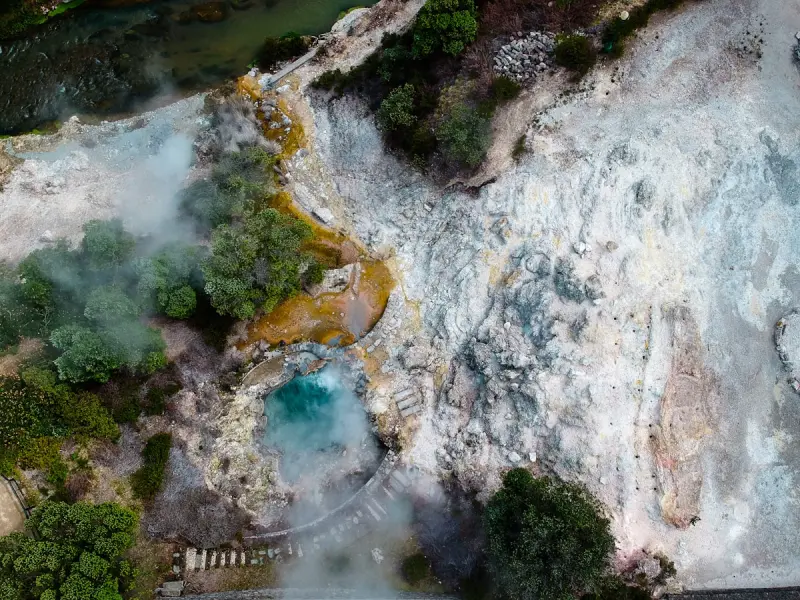
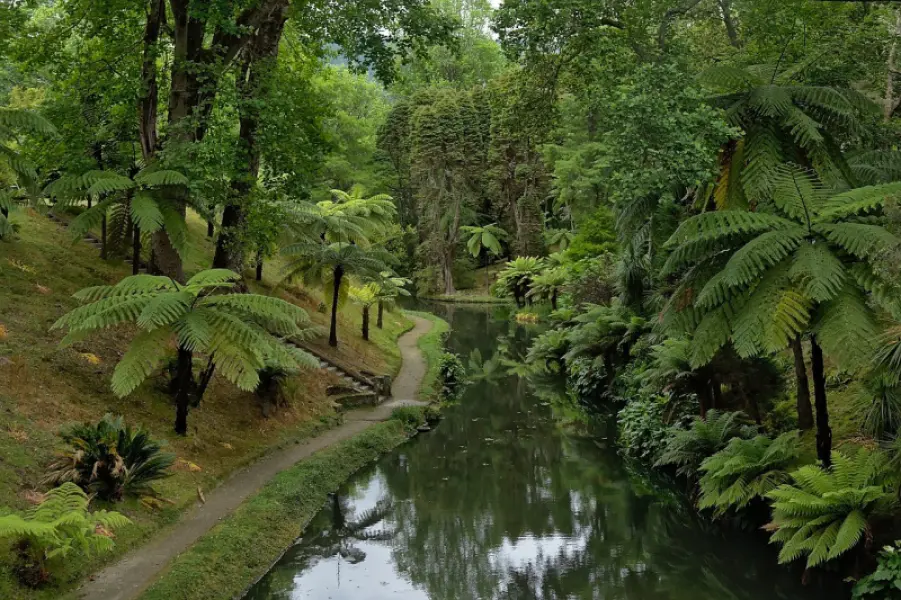
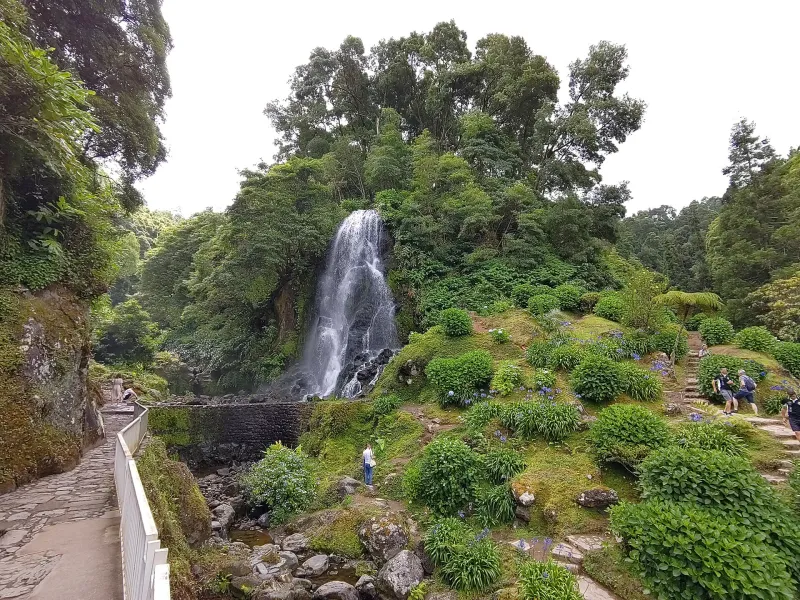
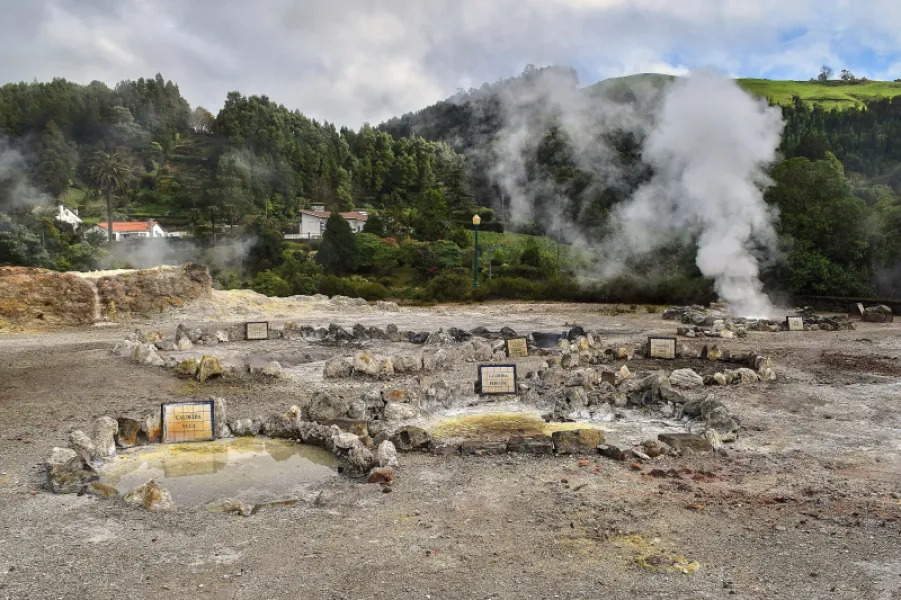
Furnas is the geothermal valley in the east. Fumaroles steam beside the village, and the local stew, cozido das Furnas, is cooked underground in volcanic heat. The Terra Nostra Garden and the Poça da Dona Beija thermal pools are the usual places to bathe in the warm, iron-rich water, and Caldeira Velha, between Ribeira Grande and the Lagoa do Fogo, has waterfall pools in a forest setting.
In the northeast, Gorreana and Porto Formoso are the tea estates where tea is still grown and processed on the island, and you can walk through the plantations and visit the factory. The Nordeste region beyond them has some of the greenest scenery and the most remote viewpoints.
Beaches and sea
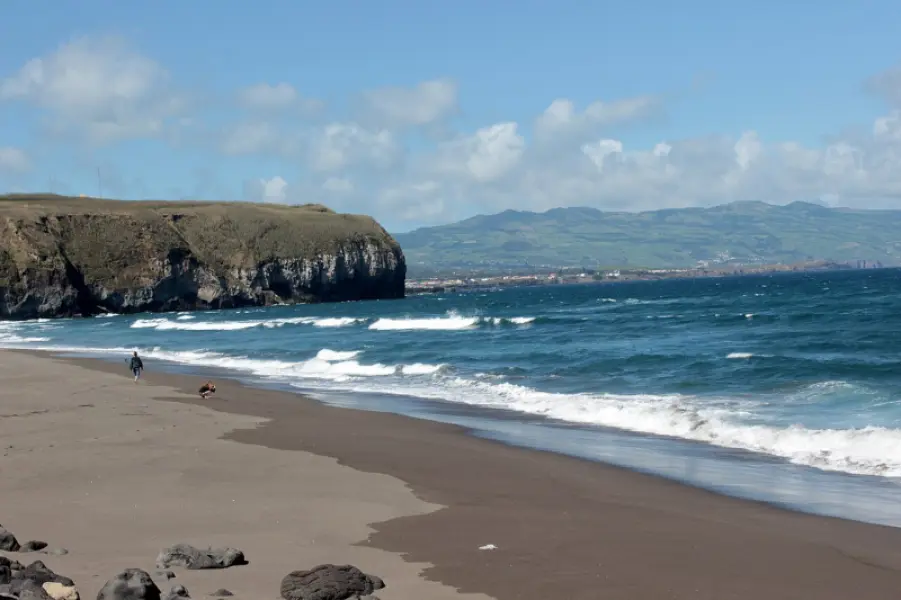
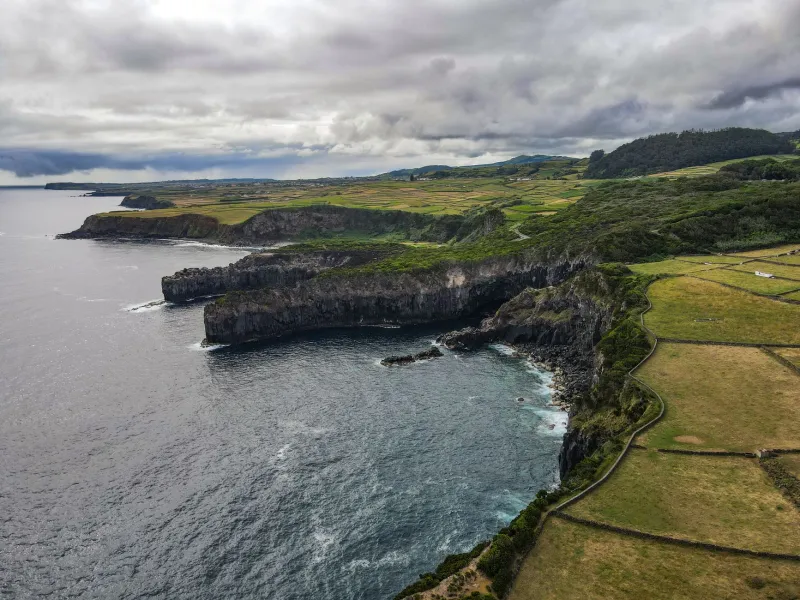
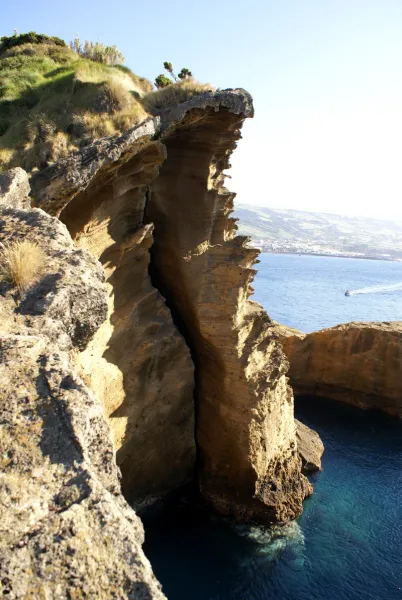
São Miguel's beaches are mostly dark volcanic sand. Praia de Santa Bárbara near Ribeira Grande is the main surf beach, while Mosteiros, on the west coast, is known for its sea stacks and sunsets. Ponta Delgada's coast has natural swimming pools and sheltered spots, and the south coast beaches are generally calmer in summer. Whale and dolphin watching tours leave from Ponta Delgada and Vila Franca do Campo, and most operators run them from spring through autumn.
Walking and adventure
The island has well-marked walking routes through crater rims, forest and coast, among them the Sete Cidades rim walk, the trail down to Lagoa do Fogo and the Salto do Prego waterfall route near Faial da Terra. Canyoning, diving, surfing, kayaking and mountain biking are also on offer, with local operators based mostly around Ponta Delgada and Ribeira Grande.
Getting there and around
João Paulo II Airport (PDL) at Ponta Delgada receives flights from mainland Portugal and from other European and transatlantic cities, and inter-island flights and ferries connect São Miguel to the other islands. A rental car is the simplest way to reach the viewpoints and trailheads, as public transport between villages is limited.
When to go
The Azores climate is mild all year but changeable, so layers and a rain jacket are useful in any month. Summer, from June to September, is warmest and best for beaches and sea activities, while spring and autumn are quieter. Check the weather the same morning before heading to the lakes, since conditions on the crater rims often change faster than on the coast.
Where to stay
Ponta Delgada is the most practical base, with the widest choice of hotels, restaurants and tours. Furnas suits a slower stay close to the thermal pools, and Ribeira Grande and the north coast are popular with surfers. Below you can browse every place we list on the island by category, including accommodation, beaches, trails, restaurants and viewpoints.
Featured in Sao Miguel
What to explore in Sao Miguel
Photo gallery: Sao Miguel
Guides to Sao Miguel
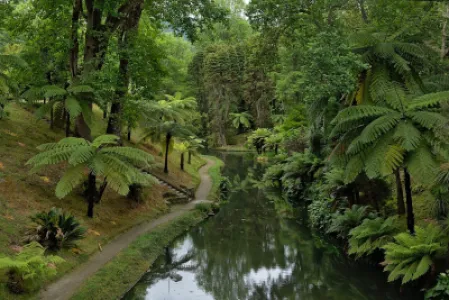
Terra Nostra Park and Poça da Dona Beija: History and Visit
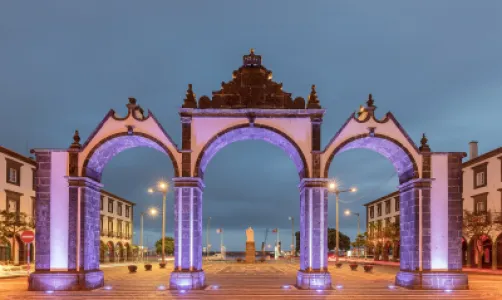
Ponta Delgada: What to See in a City of Gates and Churches
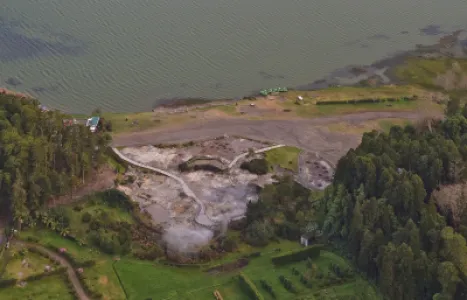
Furnas Valley: Fumaroles, Lake and What to See
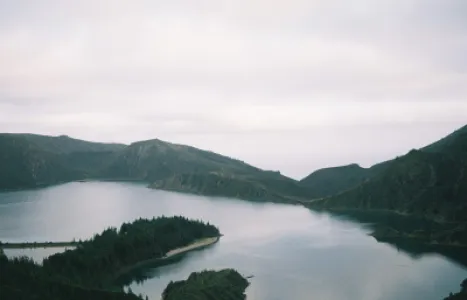
Lagoa do Fogo: Access, Viewpoints, Trail and Rules
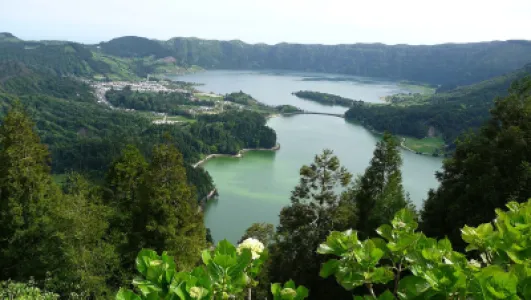
Sete Cidades: Twin Lakes, Viewpoints and Rim Trail
One Week in São Miguel: Day-by-Day Plan + Rain Swaps
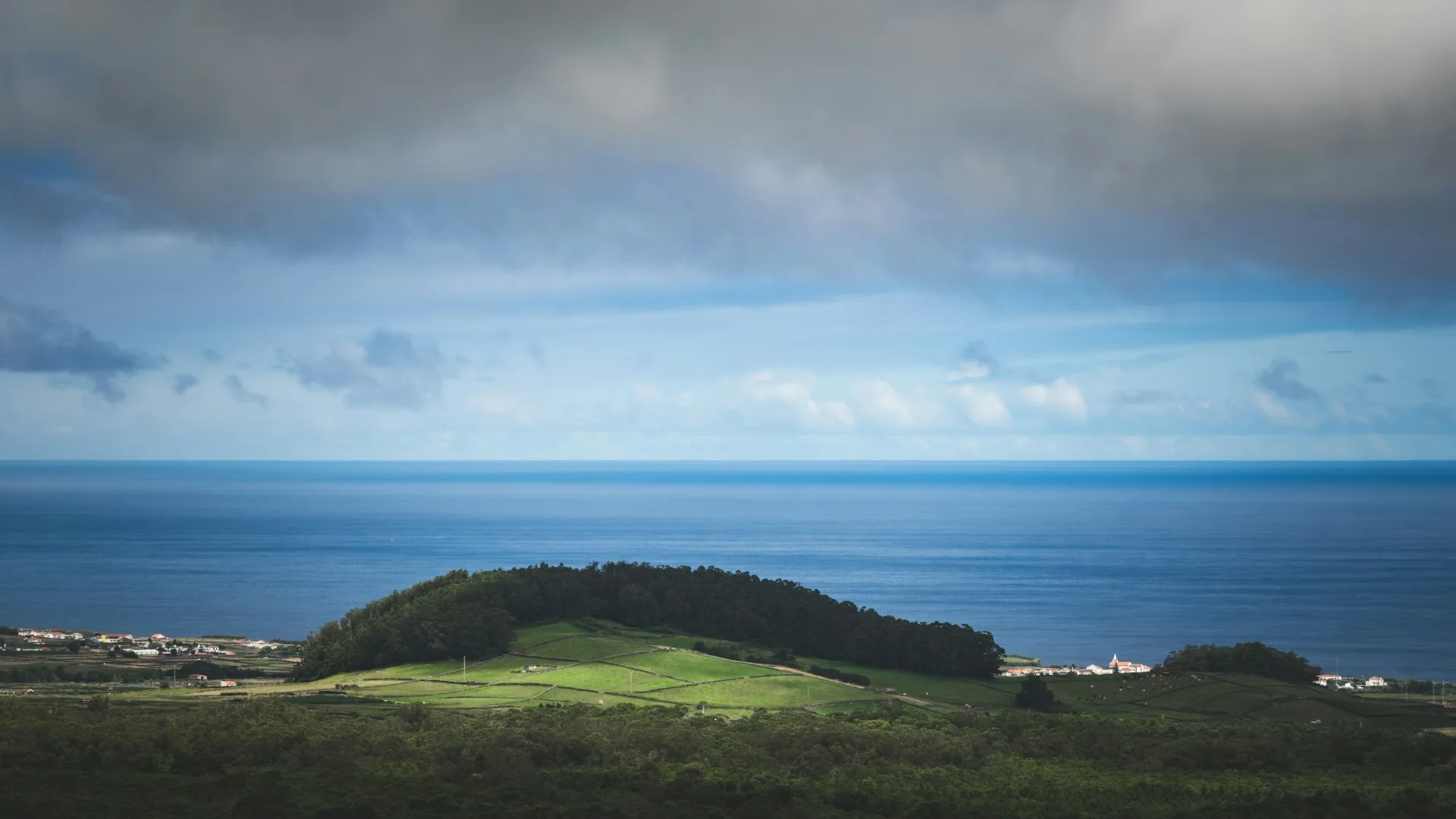
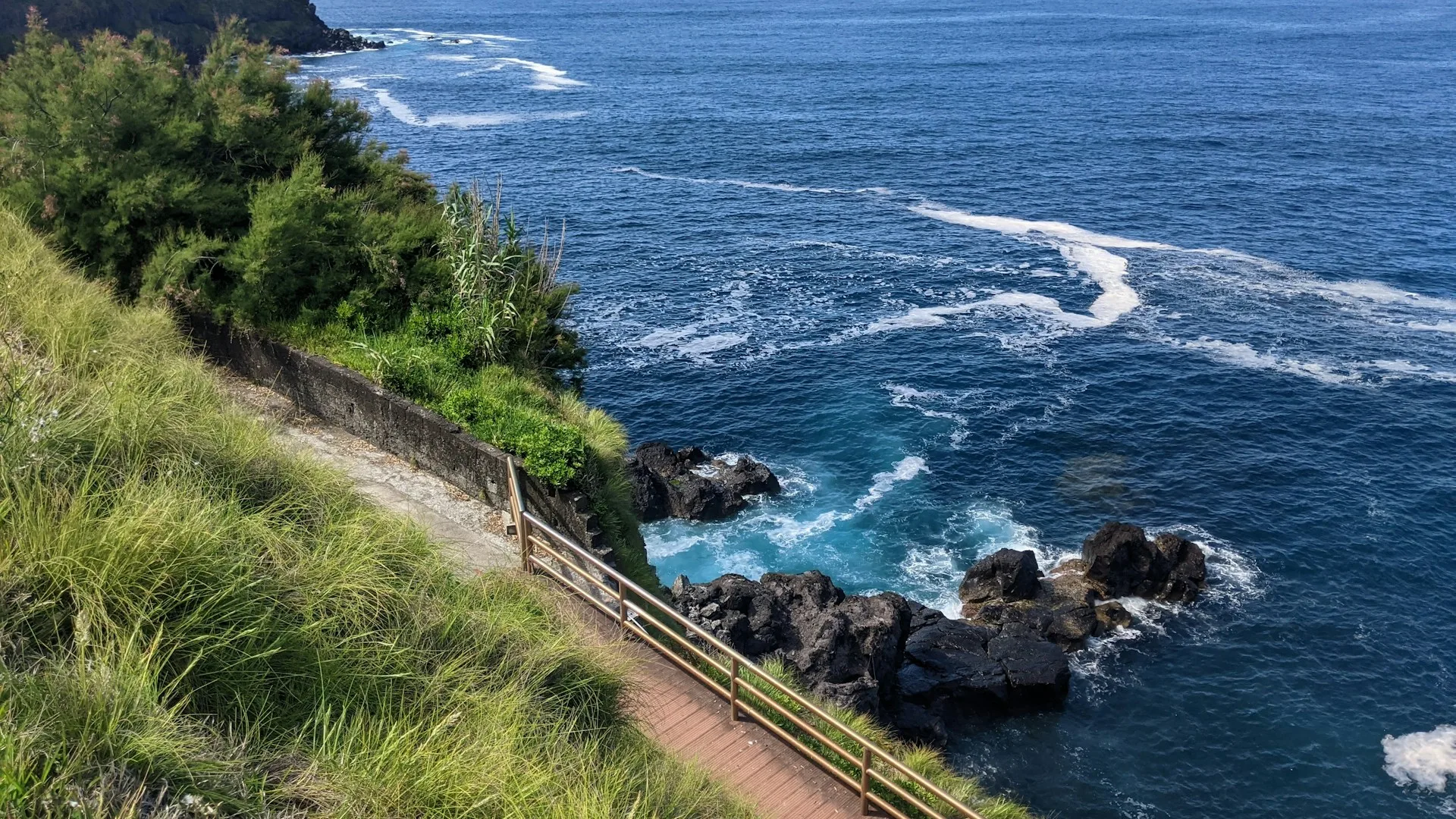
Explore Sao Miguel on the map
Discover all points of interest on an interactive map
Explore Sao Miguel on the map