Inter-Island Cruises in the Azores: Small Ships, Expedition Sailings and Cruise Calls
The Azores are nine islands spread across roughly 600 kilometres of open Atlantic, which makes them an unusually natural fit for travelling by ship. Yet most visitors reach the islands by plane and move between them by ferry or short flight. A smaller group chooses to sleep aboard, waking up each morning in a different harbour. This guide explains what inter-island cruising in the Azores actually looks like: the difference between large cruise-ship calls and small-ship or expedition sailings, which ports they use, when the season runs, and how the whole idea compares with ferries and flights. Itineraries, ships and schedules change from year to year, so treat everything here as a framework and check current information before you plan.
Three Ways to Go by Sea
It helps to separate three very different experiences that all get called a cruise in the Azores.
- Large-ship port calls. Big cruise ships on transatlantic or Atlantic-islands itineraries stop for a day, usually in one or two ports. Passengers get a few hours ashore, often on an organised excursion. This is a stopover, not an Azores trip.
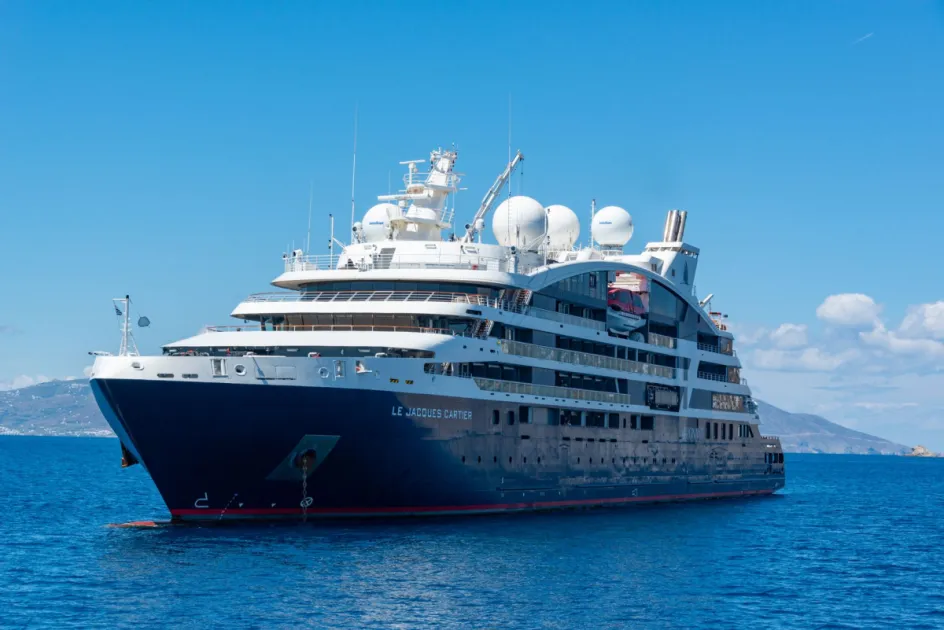
- Small-ship and expedition cruises. Smaller vessels run itineraries focused on the archipelago itself, often a week-long loop that begins and ends at the same island and visits several others. Some use sailing yachts or motor-sailers, others are compact expedition-style ships with naturalist guides.
- Do-it-yourself by public ferry. Not a cruise at all, but the way most independent travellers cross between islands. It is covered in detail in our island hopping guide.
The middle category is the one most people mean by an inter-island cruise, and it is the main subject of this article.
Small-Ship and Expedition Cruises
Several international operators have offered archipelago-focused sailings in recent summers, typically seven nights, starting and finishing at Ponta Delgada on São Miguel. Published itineraries have combined stops such as Horta on Faial, Graciosa, Praia da Vitória on Terceira and Velas on São Jorge, and some longer expedition sailings link the Azores with Madeira or the mainland. Others focus on the southern islands, including Santa Maria and São Miguel, and are marketed around spring. Exact ports vary by operator and year.
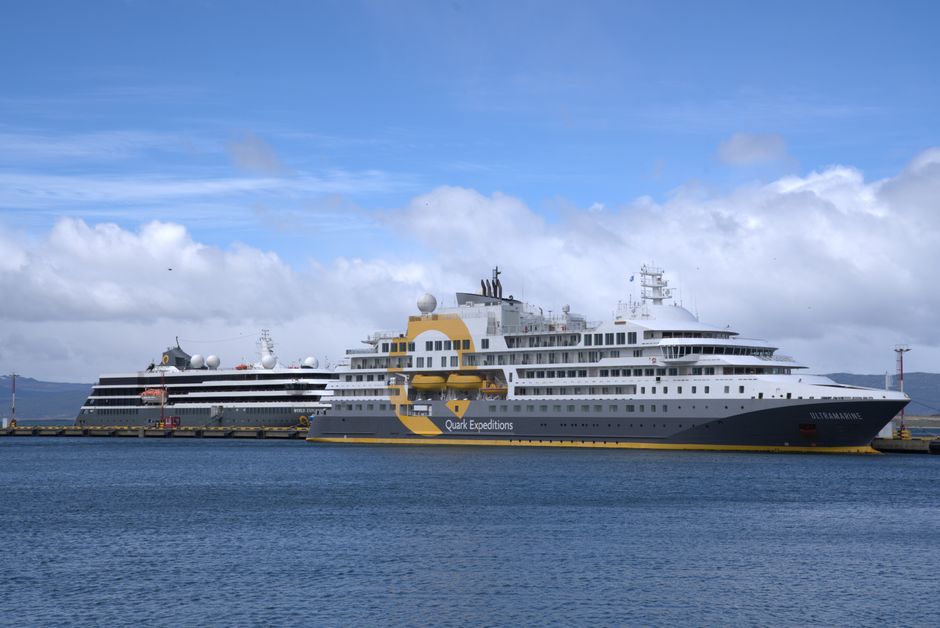
What these sailings tend to have in common:
- Small passenger numbers compared with mainstream cruise ships, which allows access to smaller harbours.
- Landings and excursions included or offered at most stops, such as walks, viewpoints, volcanic scenery and local food experiences.
- Onboard talks about geology, seabirds and whales on expedition-style ships.
- Weather-dependent plans. The captain can change the route if the swell or wind makes a harbour unsafe, which happens in the Atlantic.
Sailing-yacht and tall-ship style cruises add a different atmosphere, with passengers sometimes invited to help with the sails. If you prefer a day on the water instead of a week, see our guide to sailing and boat tours.
Cruise-Ship Calls: Where Big Ships Stop
The main commercial cruise ports in the archipelago are Ponta Delgada on São Miguel, Horta on Faial and Praia da Vitória on Terceira. Ponta Delgada has historically been the busiest by a wide margin. In Ponta Delgada ships can dock at a modern terminal beside the marina, close to the old town, or at other quays along the harbour, which can be farther from the centre.
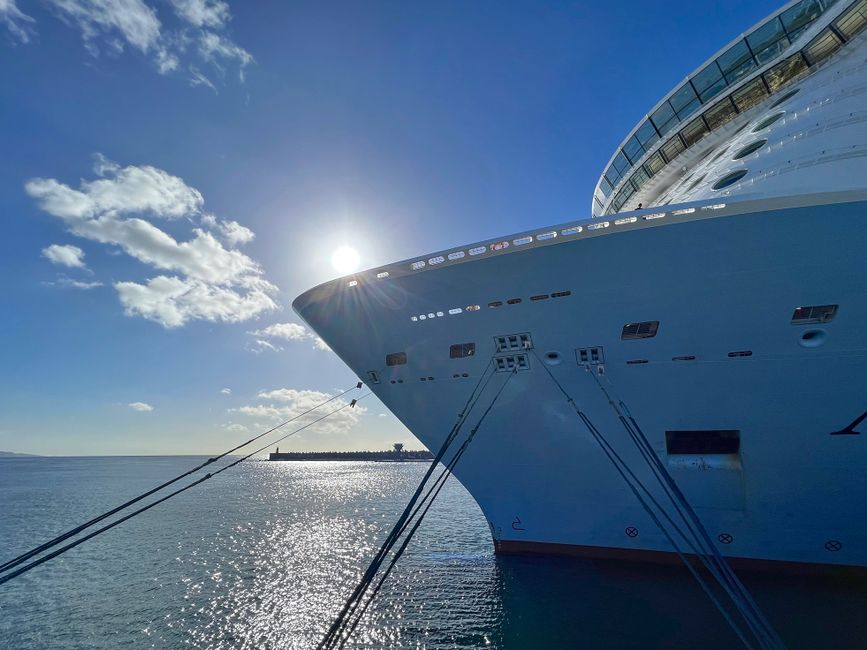
A typical call lasts about eight hours, which is enough for a taste but not for the island. On São Miguel that usually means a choice between the city, the twin lakes of Sete Cidades, or a long run to Furnas. In Horta, the marina and the nearby volcanic landscapes are the draw. Local tourism authorities and port operators publish the call schedules, and ships change plans, so check current calendars if you are a local planning a quiet day, or a traveller timing a shore visit.
Which Islands and Ports Appear Most
No two itineraries are identical, but the following ports come up repeatedly in small-ship and expedition schedules.
- São Miguel (Ponta Delgada): the usual start and end point, with the main airport and the biggest range of hotels for a pre- or post-cruise stay.
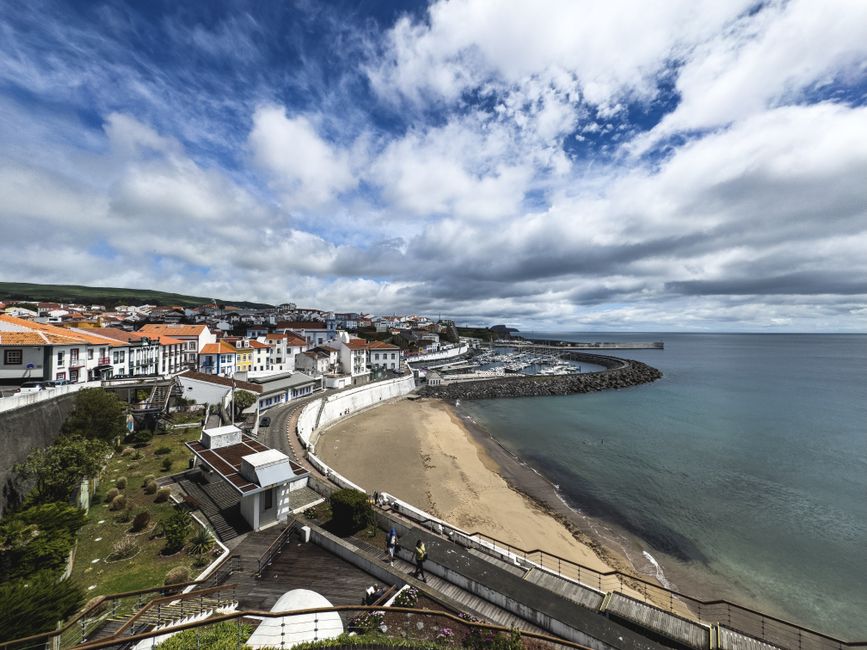
- Terceira (Praia da Vitória): access to Angra do Heroísmo, a UNESCO World Heritage city.
- Faial (Horta): the classic mid-Atlantic yacht harbour, with views of Pico across the channel.
- São Jorge (Velas): gateway to the island's long, steep cliffs and fajã coastal platforms.
- Graciosa: a quiet, flat island known for vineyards and its sulphur cave.
- Santa Maria: the sunniest and driest of the islands, often included on southern-focused routes.
Seasons: When Ships Sail
Cruising in the Azores is a warm-season activity. Most archipelago-focused sailings run from late spring through summer and into early autumn, and the heaviest concentration is in the summer months. Spring has the greenest scenery and good chances for whale sightings; summer has the calmest sea, the longest days and flower-covered hydrangea roadsides on many islands; autumn can still be pleasant but brings more variable weather. Winter sees few sailings, as Atlantic swell and storms make small-harbour operations uncertain.
For a broader view of what to expect month by month, read our Azores weather guide. For whale-focused trips, the whale watching guide explains species and seasons.
Cruise vs Ferry vs Flight
This is where many travellers decide. Each option solves a different problem.
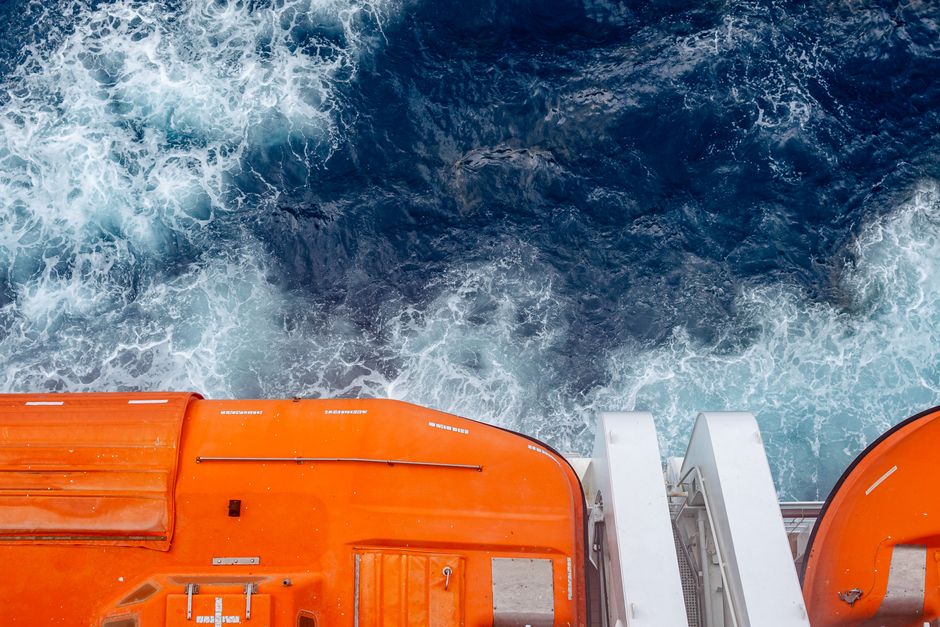
- Small-ship cruise: you unpack once, travel at night, wake in a new place, and have meals and logistics handled. The trade-off is limited time ashore per island and a fixed route and calendar.
- Public ferries: the cheapest way to reach neighbouring islands, especially within the central group (Faial, Pico and São Jorge). Some services are seasonal, so timetables and availability must be checked in advance, and rough seas can cancel sailings.
- Inter-island flights: the fastest way to cover long distances, particularly to the remote western islands. Short hops take under an hour, but capacity is limited on small planes and weather can cause delays.
The cruise wins on convenience and atmosphere, the ferry wins on flexibility and cost, and the flight wins on time. Many independent travellers combine all three, taking a cruise or day boat for one leg and flights for the rest. Our public transport guide goes through how the systems fit together.
Pros and Cons
Advantages
- One base for several islands, with no daily packing and transfers.
- Reach islands by sea that have limited flights or ferries on your dates.
- Guided landings and onboard commentary on geology, wildlife and culture.
- Seeing coastlines, cliffs and volcanic cones from the water.
Drawbacks
- Only a few hours at each stop, so deep exploration is not possible.
- Itineraries can change because of weather, and some people find the Atlantic swell uncomfortable.
- Generally a higher cost than self-organised travel, and booking windows can be long for popular departures.
- Less freedom to follow local festivals, long hikes or spontaneous plans.
- Sea-sick travellers should think carefully about open-ocean crossings.
Who Each Option Suits
A small-ship cruise suits travellers who want to see several islands in a short time without handling logistics, those with reduced mobility who dislike repeated transfers, and people who value expert guides. It also suits a first visit when you want a broad overview and plan to return for a deeper stay on one or two islands.
Independent travellers who like hiking, swimming, long meals and slow days should favour ferries, flights and a rental car, staying three or four nights on each island. Budget-conscious visitors will usually find the public ferry and low-season flights more economical. Families with children can use either approach, but a short day boat trip is often easier than a week at sea.
Practical Planning Tips
- Book early for summer departures, as small ships have limited cabins.
- Check what is included: excursions, drinks, port charges and transfers differ between operators.
- Pack layers, a rain jacket, comfortable walking shoes and any motion-sickness remedies you normally use.
- Arrive a day early in Ponta Delgada to avoid missing the ship because of a flight delay. Our airport guide covers how to arrive.
Operators, routes and timetables change, so always confirm the current situation with official sources and the operator before booking.
Frequently Asked Questions
Can I sail between the Azores islands on a cruise ship?
Yes. Small-ship and expedition operators have offered weekly sailings around several islands, usually from Ponta Delgada. Large ships mostly make single-day calls.
When is the best time for an Azores cruise?
Late spring to early autumn is when most sailings run. Summer is the calmest and warmest, and spring is greener. Winter has very few sailings.
Is a cruise better than taking ferries?
It depends on your priorities. A cruise gives convenience and guided access, while ferries and flights give flexibility, lower cost and more time on land.
Which ports do cruise ships use?
Ponta Delgada, Horta and Praia da Vitória are the main ports for large ships. Small ships also use harbours such as Velas on São Jorge and other smaller ports.
Final Thoughts
An inter-island cruise is the most relaxed way to sample the Azores from the sea, but it is a taster, not a substitute for time on the islands. If you want convenience, scenery and expert commentary, a small-ship sailing is a fine option. If you want to hike craters, bathe in hot springs and eat slowly, ferries, flights and a few well-chosen bases will give more. Many visitors discover the best answer is a mixture. Whichever route you choose, confirm current itineraries and schedules before you book.