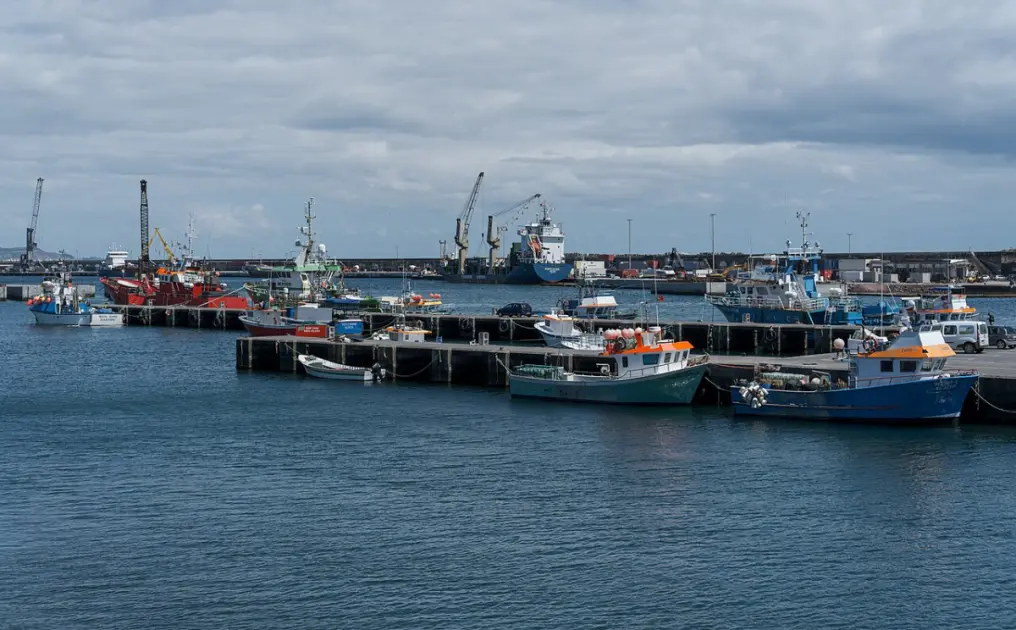
Getting around the Azores without a rental car is entirely possible — and for many travellers, it turns out to be the most rewarding way to experience the archipelago. The combination of local bus networks, Atlanticoline inter-island ferries, and SATA Air Açores domestic flights gives you the freedom to hop between the nine islands at a fraction of the cost of renting a vehicle on every island. This complete guide covers 2026 prices, schedules, routes, and practical tips for navigating public transport across the Azores.
Buses in the Azores: Island by Island
Each island in the Azores has its own local bus operator. Coverage and frequency vary widely: São Miguel and Terceira have the most developed networks, while smaller islands like Corvo and Graciosa offer little more than a basic public service for residents. Buses are the cheapest way to move around within an island, though they rarely reach the most remote hiking trailheads or scenic viewpoints.
São Miguel — Buses in Ponta Delgada and Beyond
On São Miguel, three operators share the territory: Caetano Raposo e Pereiras, Auto Viação Micaelense, and Varela & CA. Together they cover the island's main tourist destinations, including Furnas, Sete Cidades, Ribeira Grande, and Vila Franca do Campo. Within Ponta Delgada city, the Mini Bus service offers trips for just €0.50 on board and monthly passes starting from €16.00. A bus from Ponta Delgada to Furnas costs roughly €3–€5 and takes around 1h15. Download the Autocarros São Miguel app (Android) for real-time schedules.
Terceira — EVT (Empresa de Viação Terceirense)
EVT has been operating on Terceira for over 60 years and maintains 18+ routes covering the entire island, including connections between Lajes Airport and Angra do Heroísmo. The network is solid enough to visit Angra (a UNESCO World Heritage city), Biscoitos natural pools, Serra do Cume viewpoint, and other highlights without a car. Buses depart from the central terminal in Angra do Heroísmo.
Faial — Farias Lda
On Faial, Farias Lda (part of the Bensaude Group) operates a fleet of 14 buses plus a Mini Bus in Horta city. Routes cover the main island attractions including the Caldeira do Faial and the Capelinhos volcanic landscape. Frequency drops significantly outside high season, so always check schedules in advance.
Pico — Cristiano Limitada
Pico has two main routes operated by Cristiano Limitada: the North Route (Madalena to São Roque do Pico) and the South Route. Given that Pico is the largest island in the Azores by area, these routes cover considerable distances, but daily frequency is limited. Reaching the trailhead for the Pico volcano (2,351 m, the highest point in Portugal) requires private transport.
Graciosa, Flores, Santa Maria and Corvo
Smaller islands are served by smaller operators: Empresa de Transportes Colectivos da Ilha Graciosa on Graciosa, UTC on Flores, and TSM on Santa Maria. On Corvo — the smallest island in the Azores with fewer than 500 inhabitants — there is virtually no scheduled bus service; most visitors explore on foot or by ATV.
Atlanticoline Ferries: The Best Way to Travel Between the Central and Western Islands
Atlanticoline is the state-supported company responsible for maritime passenger, cargo, and vehicle transport between the Azores islands. The service is divided into a seasonal operation (spring and summer, connecting most islands) and a year-round permanent service covering the Triangle Islands (Faial, Pico, São Jorge) and the Flores–Corvo connection.
Routes and Prices 2026
Atlanticoline fares vary by route and passenger type (resident vs. non-resident). The following are indicative adult non-resident prices for 2026, sourced from byacores.com and DirectFerries:
- Faial–Pico (Horta–Madalena): €8.20 one-way — the most popular route; 30-minute crossing; up to 35 weekly sailings in high season.
- Pico–São Jorge (Cais do Pico–Calheta): €17.30 one-way — approximately 1h20 sailing time; roughly 2 daily departures.
- Faial–Terceira (Horta–Praia da Vitória): €45.90 one-way — seasonal route; crossing takes approximately 4h30.
- Corvo–Flores: €16.30 one-way — regular link between the two remotest western islands.
Azores residents benefit from heavily subsidised fares (typically 40–50% below non-resident prices). Infants aged 0–2 travel free. Reduced fares are also available for youth, seniors, vehicles, pets, and cargo.
Linha Azul — Faial–Pico: The Must-Take Route
The Blue Line between Horta (Faial) and Madalena (Pico) is the most frequent and most tourist-friendly Atlanticoline route. With a 30-minute crossing and multiple daily departures year-round, it is perfectly feasible to visit both Faial and Pico on the same day. At €8.20 per adult, this ferry is one of the most affordable transport options in the entire archipelago. Book in advance during summer via the official Atlanticoline website (atlanticoline.pt) or through DirectFerries.
Ferry Island-Hopping: Practical Tips
- The extended seasonal service typically runs from April/May to September/October. Outside this window, many non-permanent routes cease operating.
- The Atlantic Ocean can be rough even in summer. If you are prone to seasickness, take a preventive antiemetic for longer crossings.
- Most car rental companies do not allow rental vehicles to be transported on ferries between islands. You will need to rent a separate car on each island.
- If you want to bring your own bicycle, confirm availability and the applicable surcharge in advance.
- Book online at least 2–3 days ahead in high season — sailings can sell out, particularly at weekends.
SATA Air Açores Inter-Island Flights: Fast and Accessible
SATA Air Açores operates domestic flights connecting all nine islands. For the summer 2026 season, the airline plans around 572 flights per week across 16 routes, using a fleet of seven aircraft with capacities ranging from 37 to 80 seats. Flight durations range from as little as 20 minutes on short hops to just over 1 hour for connections between island groups.
Azores Fare — The Subsidised Residents' Tariff
Passengers with tax residency in the Autonomous Region of the Azores are entitled to the Azores Fare, capped at a maximum of €61.00 round trip (€35.00 one-way) for adults. Children with a reserved seat pay €45.00 round trip (€27.00 one-way). This fare is available year-round with no seasonal restrictions and is not subject to seat limits — any available seat on the aircraft qualifies. Required documentation includes a citizen card, taxpayer card, passport, or birth certificate for children.
Prices for Non-Residents and Tourists
For tourists without Azores tax residency, inter-island flight prices vary according to booking lead time and availability. As a general guide, flights between São Miguel and Terceira or Faial typically cost between €60 and €120 one-way for non-residents, depending on season and how far in advance you book. Routes to more remote islands like Flores and Corvo tend to be more expensive. Book directly on the Azores Airlines website (azoresairlines.pt) for the best available fares.
Key Routes and Frequency
- Ponta Delgada (São Miguel) ↔ Terceira: Multiple daily departures; ~35-minute flight.
- Ponta Delgada ↔ Faial (Horta): Several weekly frequencies; ~50 minutes.
- Ponta Delgada ↔ Pico: Frequent connections; ~45 minutes.
- Ponta Delgada ↔ Flores: Direct and connecting flights; ~1 to 1h30 depending on routing.
- Faial ↔ Corvo: Connection via Flores; the most isolated route in the archipelago.
- Terceira ↔ Graciosa / São Jorge: Regular links; 20 to 30 minutes.
For summer 2026, SATA has announced additional capacity on the Ponta Delgada–Terceira, Ponta Delgada–Pico, Ponta Delgada–Horta, and Ponta Delgada–Flores routes due to occupancy rates exceeding 90% recorded during summer 2025.
Baggage Allowance on Inter-Island Flights
Each passenger may check one bag up to 23 kg. Verify the current hand luggage policy on the Azores Airlines website before your trip, as conditions may vary by fare type.
Comparison: Ferry vs. Flight vs. Bus
The right choice between ferry, flight, and bus depends on your time, budget, and destination islands:
- Ferry: Best for the Triangle Islands (Faial–Pico–São Jorge). Affordable, scenic, and allows bulky luggage. Downside: susceptible to cancellation in bad weather.
- Flight: Essential for reaching Flores, Corvo, and Santa Maria, which have no regular inter-island ferry links with the rest of the archipelago. Faster but more expensive for non-residents.
- Bus: The cheapest option within each island, but limited in frequency and rural coverage. Best suited to city centres and well-served towns.
Taxis and Getting Around Without a Car
Taxis operate on all islands and follow regulated fixed fares. On São Miguel, a ride from the airport to central Ponta Delgada costs approximately €12–€15. Uber and other ridesharing apps do not operate in the Azores. For full-day excursions, many taxi drivers offer negotiated flat rates — a cost-effective solution for groups of two or three splitting the fare.
Top Tips for Using Public Transport in the Azores
- Download the Autocarros São Miguel app (Android) for real-time bus schedules on the largest island.
- Book Atlanticoline ferries in advance during high season (June–September) — sailings fill up quickly, especially at weekends.
- Check inter-island flight prices on azoresairlines.pt at least 4–6 weeks ahead for the best fares.
- If visiting multiple islands, consider a one-way itinerary (e.g. São Miguel → Terceira → Faial → Pico → São Jorge by ferry) to minimise costs and maximise efficiency.
- Outside the main season (October–March), many bus timetables are reduced and seasonal ferry routes do not operate. Plan carefully.
- On smaller islands, ask your accommodation host for transport advice — local owners usually know the best options and can help arrange transfers.
Frequently Asked Questions About Public Transport in the Azores
Can you visit the Azores without renting a car?
Yes, especially on São Miguel and Terceira, which have the most developed bus networks. However, for accessing remote hiking trails, isolated viewpoints, and rural areas, a rental car remains the most practical option. A combination of buses, taxis, and guided tours is a viable alternative for travellers who prefer not to drive.
How much does the Faial–Pico ferry cost?
For adult non-resident passengers, the Horta–Madalena ferry costs €8.20 one-way in 2026. The crossing takes 30 minutes and multiple daily departures operate year-round, making it one of the most convenient and affordable connections in the entire archipelago.
Can tourists use the SATA Azores Fare?
No. The Azores Fare (maximum €61 round trip) is exclusively available to passengers with tax residency in the Autonomous Region of the Azores. Tourists pay standard commercial fares, which typically range from €60 to €120 or more per one-way journey, depending on the route and booking lead time.
Do Atlanticoline ferries run in winter?
The connections between Faial, Pico, and São Jorge (the Triangle Islands) operate year-round as a permanent service. Routes to Terceira, Graciosa, and other islands are seasonal and typically run only between April/May and September/October. Atlanticoline may cancel or alter services due to adverse sea conditions.
What is the best way to travel from São Miguel to Flores?
The most practical option is a direct SATA Air Açores flight from Ponta Delgada. There is no regular direct ferry service between São Miguel and Flores. Flight duration is approximately 1 hour, with a possible connection through Faial or Terceira depending on the chosen schedule.
Conclusion
The Azores' public transport network — local buses, Atlanticoline ferries, and SATA inter-island flights — forms a well-structured system that, with good planning, lets you discover the archipelago economically and sustainably. The key is preparation: book ferries and flights ahead, check seasonal timetables, and combine transport modes according to which islands you are visiting. For more ways to stretch your travel budget, explore our guides on budget travel in the Azores and the best family activities across the archipelago.