Golf Holiday in the Azores: Every Course on the Islands and How to Plan a Golf Trip
The Azores are not an obvious golf destination in the way the Algarve or Spain's Costa del Sol are, and that is part of the appeal. Fairways here are cut into volcanic landscapes, framed by hydrangeas, crater lakes and the Atlantic, and you will rarely queue for a tee time the way you might on the mainland coast. The catch is that the archipelago's golf offer is small and spread over different islands, so a golf holiday needs a little more planning than usual. This guide lists the courses currently known on the islands, explains what to expect from each, and then shows how to combine them into a one-island or two-island trip. For a deeper look at the two courses on São Miguel, see our dedicated article: Azores golf courses guide: Batalha and Furnas.
The Azores Golf Map at a Glance
According to the regional tourism information available at the time of writing, the archipelago has three operating golf courses on two islands: two on São Miguel and one on Terceira. The other seven islands have no established golf course that we could verify. Some tourism sources have mentioned projects for Pico and Faial, but we found no confirmation that either course is open, so treat them as plans rather than options.
- Batalha Golf Course (São Miguel): 27 holes, laid out as three nine-hole loops, in the Ponta Delgada area on the north side of the island.
- Furnas Golf Course (São Miguel): 18 holes, par 72, in the Furnas valley in the east of the island.
- Terceira Golf Course (Terceira): 18 holes, par 72, at Fajãs da Agualva in the municipality of Praia da Vitória, founded in 1954.
Check before travelling: golf facilities, opening arrangements, tee-time rules and course conditions can change from year to year. Confirm each course's current status directly with the club before booking flights or accommodation.
Batalha Golf Course, São Miguel
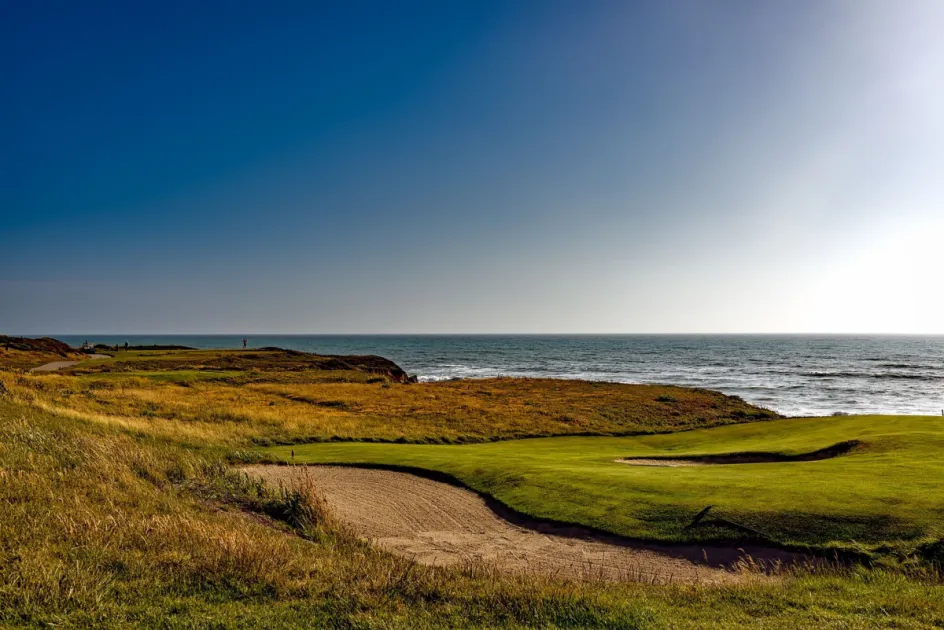
Batalha is the largest golf facility in the Azores, with 27 holes arranged as three nine-hole courses that can be combined into different 18-hole rounds. It sits a short drive from Ponta Delgada, which makes it the easiest course in the archipelago to reach straight from the airport. The later nine holes were completed in the early 2000s, and the course is often described as offering ocean views from many holes, with the island's green pastures and volcanic hills behind.
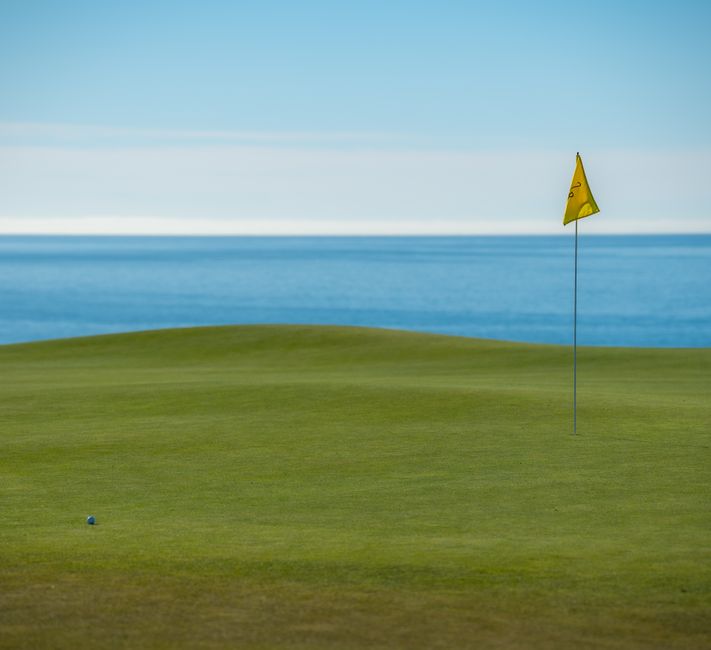
Having three loops is a practical advantage on a longer trip: you can play on several days without repeating exactly the same round. Because it is close to the main city, Batalha also suits mixed groups where only some travellers play golf, since restaurants, shops and sightseeing are nearby. The club normally has a clubhouse with a bar and restaurant and a pro shop, but check current services locally.
Furnas Golf Course, São Miguel
Furnas is the historic course of the archipelago. It started as a nine-hole layout and was later extended to 18 holes, with different architects credited for the original nine and the extension. It plays through the green Furnas valley, an area known for its volcanic activity, thermal springs and lush vegetation, with tall trees lining many fairways. Expect a very different feel from Batalha: more parkland, more shade, and a setting in the island's famous caldera landscape rather than on a coastal plateau.
Furnas is a natural pairing with a stay in the valley itself, where you can combine a round with the thermal pools and gardens. If you are planning to relax after golf, our guide to the thermal pools of São Miguel is a useful companion read. The drive between Ponta Delgada and Furnas takes roughly an hour by car, so many golfers choose to sleep one or two nights in the valley when they play here.
Terceira Golf Course
Terceira's course is the oldest golf project of the group on the official record, founded in 1954, and is the only course outside São Miguel that we could confirm as operating. It has 18 holes and plays to par 72, at Fajãs da Agualva in the Praia da Vitória area, a few kilometres from both Praia da Vitória and Angra do Heroísmo. Published sources give slightly different total lengths, so do not rely on a single figure; the club can give you current yardages and tee options.
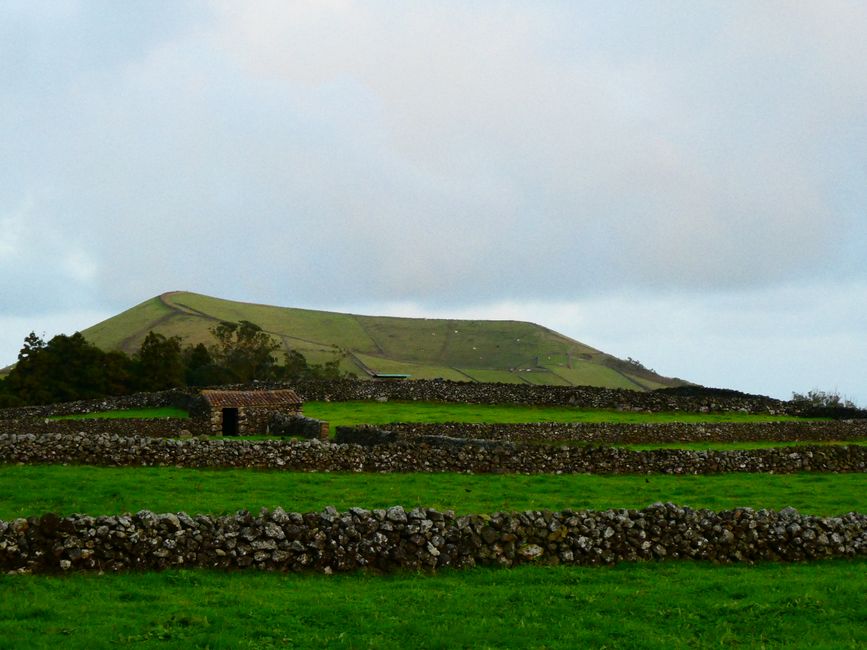
The terrain is described as rolling, with hills, valleys and water hazards, and flowering hydrangeas and azaleas along the way in season. The clubhouse has a restaurant and bar and a pro shop. Visitors who are not members of the club can usually arrange to play, but arrangements vary, so contact the club ahead of time rather than turning up. Terceira is also a good fit for a golf trip because the island packs a great deal into a small area: UNESCO-listed Angra do Heroísmo, volcanic caves, and quiet coastal roads are all within an easy drive. Our complete Terceira guide covers what to see.
Pico, Faial and Other Projects
Older tourism pages have mentioned a course under construction on Pico and one in the design phase on Faial, and golf-industry articles have referred to proposals involving well-known architects. We could not find any recent confirmation that these courses have opened, and no dates. If your plans depend on playing on Pico or Faial, contact local tourism offices or the relevant clubs first. For planning purposes, assume that golf in the Azores today means São Miguel and Terceira only, and treat any new opening as a bonus.
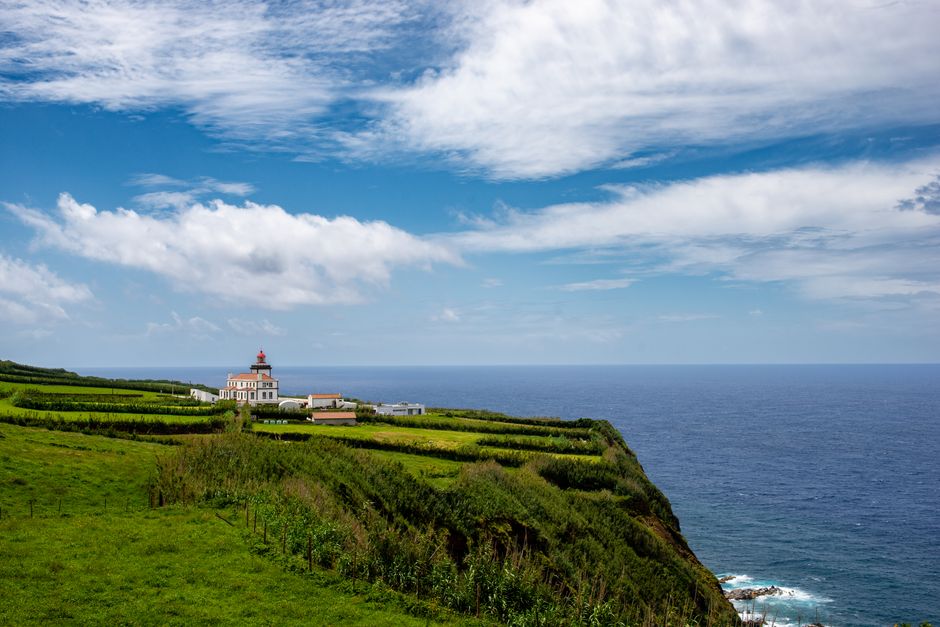
The islands without a course have plenty to offer in other ways, so you can still include them in a combined itinerary for non-golfing days, hikes, whale watching or sailing.
How to Plan a Multi-Island Golf Trip
Choose your base
With only two golf islands, the decision is simple: stay on São Miguel only (two very different courses), on Terceira only (one course), or combine both. If this is your first visit and you want variety, São Miguel plus Terceira gives you three different courses in three different settings: a coastal 27-hole facility, a parkland valley course and a hillside course with water hazards.
Getting between islands
São Miguel and Terceira are both served by airports with regular scheduled flights, and inter-island flights are generally short. Schedules change by season, so check current timetables and book early in summer. Our guide to Azores public transport and inter-island flights and the complete island-hopping guide explain the options in detail. Golf bags are normally accepted as special baggage, but airlines set their own rules and fees, so read the baggage conditions for both your international and inter-island flights.
Renting a car
Courses are not served well by public transport, so a rental car is the practical choice on both islands. Pick up a car on each island rather than trying to carry one across; this is usually simpler than ferry-and-car arrangements. Book early in high season.
Tee times and equipment
Tee times, green fees and rental clubs are set by each club and change regularly. We do not list prices here: ask the clubs for current rates, any visitor requirements, and whether you need to book ahead. If you prefer to travel light, ask whether rental sets are available. Many golfers also check the dress code and shoe rules locally before they go.
Sample Golf Itineraries
One week, two islands
- Days 1-3, São Miguel: arrive in Ponta Delgada, play Batalha on day one or two, then move to Furnas for a round and a thermal-pool afternoon.
- Day 4: fly to Terceira in the morning and spend the afternoon in Angra do Heroísmo.
- Days 5-6, Terceira: play the Terceira course, with a rest or sightseeing day in between.
- Day 7: return flight, leaving a safety margin for connections.
Four days, São Miguel only
Fly into Ponta Delgada, play a different Batalha loop combination on two days, play Furnas on the third, and use the remaining time for sightseeing. If you want ideas for non-golf days, the São Miguel in 5 days itinerary is a good reference.
Long weekend, Terceira only
For three or four days on Terceira, play the island's course once or twice, and spend the rest of the time on Angra do Heroísmo and the coast.
Best Time to Play and What to Pack
The Azores climate is mild and oceanic, so golf is possible in every season, but weather can change within hours. Spring to early autumn is generally the most comfortable period, with longer days and warmer temperatures; winter is milder than much of mainland Europe but wetter and windier. Hydrangeas typically bloom through the summer months and give the fairways much of their colour.
- Waterproofs and a windproof layer, even in summer.
- Spare gloves and a towel, since showers pass quickly but often.
- Sun protection: UV can be strong even on cloudy days.
- Comfortable footwear for wet turf.
Build some flexibility into your schedule so a bad-weather day does not cost you a round.
Frequently Asked Questions
How many golf courses are there in the Azores?
Three operating courses are known: Batalha and Furnas on São Miguel, and the Terceira Golf Course on Terceira. Projects on Pico and Faial have been mentioned in the past, but we could not confirm that any have opened.
How many holes does each course have?
Batalha has 27 holes (three nine-hole loops), Furnas has 18 holes and Terceira has 18 holes.
Can I play golf on every island?
No. Only São Miguel and Terceira have confirmed courses.
Do I need to book tee times?
It is wise to contact each club in advance, especially in high season and for groups.
Can I rent clubs?
Many courses offer rental sets, but availability changes. Ask the club before you travel.
Is it worth combining two islands?
If you want variety, yes. Flights between São Miguel and Terceira are short, and each island offers a different golf setting.
Final Thoughts
Golf in the Azores is small in scale but distinctive in character: a 27-hole facility near the capital, a historic valley course in Furnas and an 18-hole course on Terceira. Pair two islands for variety, keep your itinerary flexible, and check every course's current status before you commit. Conditions, openings and operators change, so confirm details locally. Start with our São Miguel golf guide, then use the island-hopping guide to connect the islands.