The Azores enjoy one of Europe's most consistently mild climates. This Portuguese archipelago, located in the North Atlantic approximately 1,500 km from the European mainland, benefits from a subtropical oceanic climate that keeps temperatures comfortable year-round — rarely dropping below 12°C in winter or exceeding 26°C in summer. That said, the weather can be famously changeable, with sunshine, rain, and mist sometimes occurring within the same hour. This comprehensive guide breaks down the Azores weather by month, provides accurate temperature and rainfall data, and helps you choose the ideal time to visit based on your interests.
Azores Climate: Overview
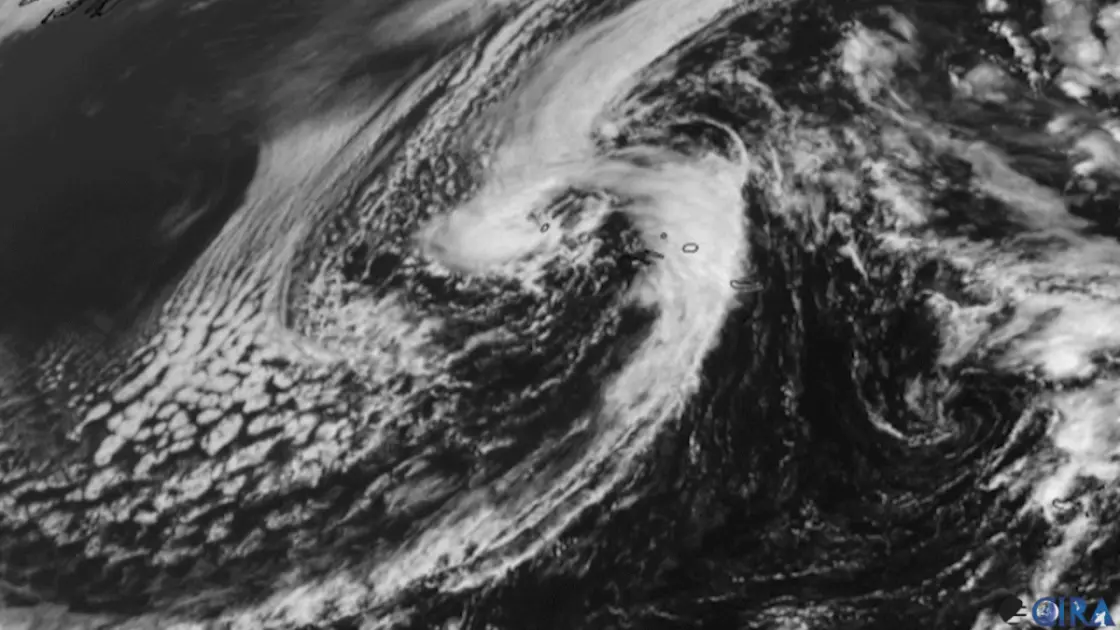
The Azores climate is classified as subtropical oceanic (Köppen Cfb), shaped by the Gulf Stream and the Azores High — the semi-permanent high-pressure system that gives the archipelago its name. Key characteristics include:
- Mean annual temperature: 17–18°C (63–64°F)
- Annual rainfall: 900–1,100 mm (varies by island)
- Rainy days per year: approximately 127
- Relative humidity: 75–85% year-round
- Sea temperature range: 16°C (winter) to 23°C (late summer)
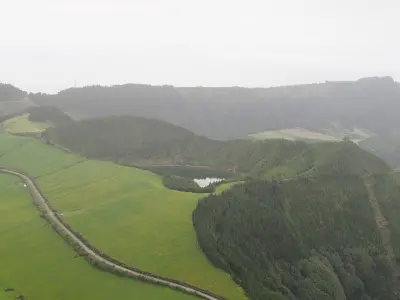
Santa Maria is the driest island (under 750 mm/year), while Flores and the high-altitude interior of São Miguel receive over 1,500 mm annually. Microclimates vary significantly even within individual islands — the elevated interior of São Miguel can be wrapped in fog while the coast basks in sunshine.
Azores Weather by Month
January — Atlantic Winter
January is one of the coldest and wettest months. Maximum temperatures average 16°C (61°F) with lows of 11°C. Average rainfall is 135 mm across approximately 21 rainy days. The sea sits at 16°C. With only 3 hours of sunshine daily, January is not the month for beach tourism, but it rewards travellers who appreciate lush green landscapes, very low prices, and zero crowds. The Furnas caldeiras gain an atmospheric, misty quality that photographers love.
February — Carnival in the Clouds
February maintains similar conditions: highs of 16°C, lows of 10°C, and around 110 mm of rain over 19 days. Sunshine increases slightly to 4 hours daily. Carnival celebrations animate several islands — Ponta Delgada and Angra do Heroísmo host particularly lively festivities. For nature and landscape photographers, the islands are at their most dramatically green and verdant.
March — First Signs of Spring
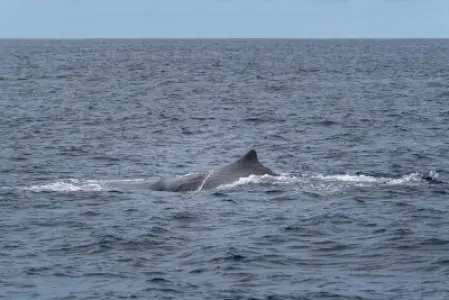
March brings gradual improvement: highs of 16°C, lows of 11°C, with rainfall easing to 106 mm over 18 days. The first flowers emerge — blue hydrangeas, azaleas, and iris — transforming Azorean roadsides into something unique in Europe. March also marks the start of whale season: sperm whales and fin whales begin their Atlantic migrations past the archipelago. Hiking trails are accessible and vegetation is strikingly lush.
April — Full Spring
April is one of the most rewarding months on the Azorean calendar. Highs reach 17°C (63°F), lows 11°C, and rainfall drops significantly to 72 mm over 16 days. With 5 daily sunshine hours and the archipelago in bloom, April is excellent for hiking, whale watching (peak sperm whale and fin whale migration), and nature photography. The Holy Spirit festivals begin, marking the start of the Azorean cultural calendar.
May — Best Value Weather Month
Many experienced travellers consider May the best month to visit the Azores outside peak summer. Highs reach 19°C (66°F), lows 13°C, with only 56 mm of rain over 14 days. The sea warms to 17°C. Hydrangeas line country roads in blue and white. Whale watching is at its most active. Accommodation and flight prices remain well below July–August levels, and crowds are negligible. Ideal for hiking, canyoning and adventure sports, and unhurried exploration.
June — Summer Begins
June marks the transition into Azorean summer. Highs climb to 21°C (70°F), lows 15°C, with rainfall dropping to 39 mm over just 14 days — noticeably more stable weather. The sea reaches 19°C. With 6 daily sunshine hours, June is ideal for outdoor activities. Major festivals begin, including the Sanjoaninas on Terceira — the Azores' largest popular festival (late June). Excellent for families, water sports, and those combining hiking with beach time.
July — Peak Summer
July is the driest and one of the hottest months. Highs reach 23°C (73°F), lows 16°C. With only 32 mm of rain across 12 days, July has the lowest rainfall of the year. The sea reaches 22°C — ideal for snorkelling and diving. With 7 daily sunshine hours, July is the most popular tourist month. Book accommodation and activities well in advance. Santa Maria's golden-sand beaches and calm waters make it the top summer island.
August — High Summer
August is the warmest month, with highs of 25°C (77°F) and lows of 17°C. Rainfall rises slightly to 41 mm but remains very low. The sea peaks at 23°C — the warmest of the year. August is high season, with returning Azorean diaspora and European tourists filling every island. Prices are at their annual peak. For those who enjoy lively beaches and a festive atmosphere, August is unbeatable — but for tranquillity, May or September are far better choices.
September — The Azores' Best-Kept Secret
Experienced travellers frequently cite September as the single best month to visit the Azores. Highs remain at 24°C (75°F), lows 17°C. The sea is still warm at 23°C. Rainfall increases modestly to 84 mm, but showers are typically brief and followed by blue skies. August's crowds evaporate, prices fall, and the weather remains excellent. Whale and dolphin watching stays active. The Pico wine harvest takes place in September — a unique cultural experience worth planning around.
October — Gentle Autumn
October brings autumn gradually. Highs drop to 21°C (70°F), lows 15°C. Rainfall increases to 114 mm over 18 days. The sea remains comfortable at 21°C throughout the month. The landscape takes on golden and amber tones. October is excellent for photography, coastal hiking, and gastronomy — local food fairs and produce markets are common. Prices remain reasonable and tourist numbers are low.
November — The Wet Season Begins
November marks the onset of the wetter season. Highs fall to 18°C (64°F), lows 13°C. Rainfall climbs to 133 mm over 20 days. With 4 sunshine hours daily, days are shorter and cloudier. The sea holds at 19°C. November is a transitional month — the Azores return to their quiet, authentic self. Travellers who value solitude, dramatic Atlantic landscapes, and genuine local culture will find it deeply rewarding. Outstanding for migratory birdwatching.
December — Azorean Christmas
December is among the wettest months, with 124 mm of rainfall over 20 days. Highs average 17°C, lows 12°C. Despite the rain, Azorean Christmas has a particular charm: religious traditions, village illuminations, and the warmth of local hospitality create an atmosphere unlike anywhere else in Europe. For travellers seeking cultural authenticity rather than sun, December offers minimum prices, zero tourist pressure, and an experience that connects directly with island life.
Monthly Climate Summary Table
| Month | Max °C | Min °C | Rain (mm) | Rainy Days | Sun (h/day) | Sea °C |
|---|---|---|---|---|---|---|
| January | 16 | 11 | 135 | 21 | 3 | 16 |
| February | 16 | 10 | 110 | 19 | 4 | 16 |
| March | 16 | 11 | 106 | 18 | 4 | 16 |
| April | 17 | 11 | 72 | 16 | 5 | 16 |
| May | 19 | 13 | 56 | 14 | 6 | 17 |
| June | 21 | 15 | 39 | 14 | 6 | 19 |
| July | 23 | 16 | 32 | 12 | 7 | 22 |
| August | 25 | 17 | 41 | 12 | 7 | 23 |
| September | 24 | 17 | 84 | 16 | 6 | 23 |
| October | 21 | 15 | 114 | 18 | 5 | 21 |
| November | 18 | 13 | 133 | 20 | 4 | 19 |
| December | 17 | 12 | 124 | 20 | 3 | 18 |
Best Time to Visit the Azores by Travel Style
For Beaches and Swimming
July through September are optimal. The sea reaches 22–23°C and days average 7 hours of sunshine. Santa Maria island offers the sunniest conditions and best beach swimming in the archipelago. Explore our complete guide to the best beaches in the Azores to plan your coastal itinerary.
For Whale Watching
April through June is the golden period for whale watching, with fin whale and sperm whale migrations peaking. Summer and autumn offer reliable dolphin sightings and resident species year-round. Read our complete guide to whale watching in the Azores for operator recommendations and species information.
For Hiking and Trails
April, May, June and September provide the best combination of pleasant temperatures (15–22°C), accessible trails, and spectacular vegetation. Discover our recommendations in the 10 best hiking trails in the Azores.
For Surfing
Autumn and winter (October through March) bring the most powerful Atlantic swells for experienced surfers. Summer offers gentler conditions perfect for beginners and stand-up paddleboarding. Find the best breaks in our Azores surfing guide.
For Avoiding Crowds and Saving Money
November through March (excluding Christmas/New Year) offers the lowest tourist numbers and significantly reduced accommodation prices. For the best balance of good weather, value, and manageable crowds, May and October are the savvy traveller's choice.
Climate Differences Between the Azores Islands
Despite belonging to the same archipelago, the nine islands have notable climatic differences:
- Santa Maria: The southernmost and driest island — less rain, more sunshine, golden-sand beaches. Best for summer beach holidays.
- São Miguel: Significant microclimatic variation between coast and interior. The Sete Cidades and Furnas calderas generate their own weather patterns.
- Terceira: Balanced climate, slightly windier. Angra do Heroísmo's south-facing position gives it more sunshine than the island interior.
- Faial: Wetter and lusher, often with morning fog that burns off by mid-morning. The famous blue hydrangea hedgerows peak in June–July.
- Pico: Mount Pico (2,351 m) creates its own microclimate — the summit can be cloud-capped on days when the coastline is sunny.
- Flores and Corvo: The westernmost and wettest islands. More frequent rainfall, but the landscape is the most spectacular green in the entire archipelago.
Practical Tips for Every Season
- Always pack layers: Even in summer, bring a light waterproof jacket. Azores weather changes fast.
- Check island-specific forecasts: IPMA (Instituto Português do Mar e da Atmosfera) at ipma.pt publishes island-by-island forecasts.
- Morning fog clears: Don't cancel plans due to early mist — most days clear by mid-morning, revealing dramatic landscapes.
- Waterproof footwear: Essential for trails year-round. Dirt paths become slippery after rain.
- Book early in peak season: July and August require advance reservations for accommodation, rental cars, and whale watching tours. May and September give you far more flexibility.
Frequently Asked Questions About Azores Weather
What is the best month to visit the Azores?
For most travellers, May, June, September, and July rank as the best months. July–August offer the most stable, warm weather (23–25°C, 12 rainy days/month). May and September deliver excellent weather with fewer crowds and lower prices. April is outstanding for whale watching and spring wildflowers.
Does it rain a lot in the Azores?
The Azores' reputation for rain is somewhat exaggerated for the summer months. In July and August, it rains on average just 12 days per month with minimal precipitation (32–41 mm). From November through March, rain is more frequent (18–21 days/month), but temperatures remain mild (12–16°C). Crucially, showers are typically brief and followed by sunshine — rarely all-day downpours.
When is the sea warmest in the Azores?
The sea peaks at 23°C in August and September — ideal for swimming, snorkelling, and diving. From June through October the sea temperature stays above 19°C. Even in winter, the Gulf Stream keeps ocean temperatures above 16°C, making year-round watersports possible for the hardy.
Are the Azores worth visiting in winter?
Absolutely, for the right type of traveller. With minimum temperatures rarely below 10°C, you can hike, visit thermal pools and calderas, enjoy world-class gastronomy, and experience authentic island culture — all without crowds. Prices drop dramatically. Read our guide on what to do in the Azores in winter for a full programme of ideas.
Do all Azores islands have the same weather?
No. Santa Maria is the driest and sunniest. Flores and Corvo receive the most rainfall. São Miguel has dramatic microclimate variation between its coast and elevated interior. Generally, the eastern islands (Santa Maria, São Miguel) are drier than the western group (Flores, Corvo). Even within a single island, it is possible to have sunshine on the coast and fog at altitude simultaneously.