Shore Fishing in the Azores: Rules, Safety on Volcanic Rock and Where to Start
Most visitors meet Azorean fishing from the deck of a charter boat, but the archipelago also has a quieter, older tradition: fishing from the shore. Volcanic coastlines drop quickly into deep, clear Atlantic water, so a rod cast from a rocky point, a harbour wall or a pier can reach fish close to land. This guide covers that shore-based side: how it works, safety on lava rock and swell, the kind of fish typical of rocky shores, how licensing and protected areas fit in, and how to fish respectfully. It deliberately skips boat trips; for those, see our guide to planning fishing charters in the Azores. For the wider picture, read the Azores fishing guide.
How Shore Fishing Works Here
The Azores are volcanic islands that rise steeply from the ocean floor. There are few long sandy shelves; much of the coast is basalt cliff, boulder field, lava platform and small harbour. Deep water is often close, so you rarely need a long cast, but access can be difficult: many good-looking points sit below cliffs or at the end of slippery rock.
Shore anglers tend to choose between three kinds of spot. Harbour walls and piers are the easiest, with flat surfaces and some shelter. Rocky points and platforms are favoured by many experienced anglers but are far more exposed. Calm bays and sheltered coves suit light tackle and beginners, though they can be busy with swimmers in summer. Fishing near bathing areas can be restricted, so look for signs and ask locally before setting up.
Many Azoreans fish for pleasure or for the table, and you will often see people on piers in the evening. A short chat with a local angler is the best source of up-to-date information on where it is sensible to fish that particular day.
Safety on Volcanic Rock and Swell
This is the most important section. The Atlantic can be calm in the morning and dangerous by afternoon, and rock fishing has a worldwide record of accidents. Keep your plans conservative.
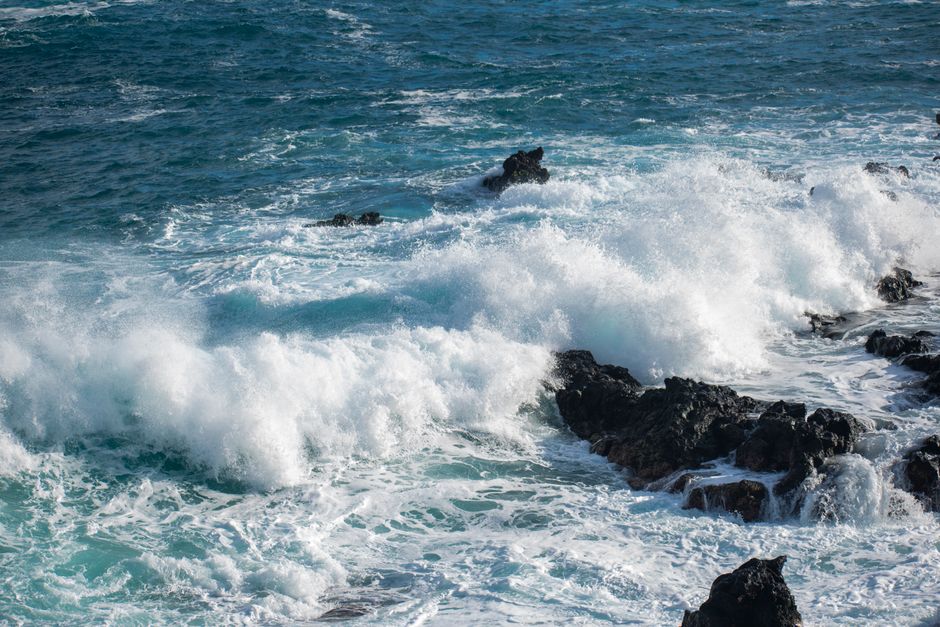
- Check the sea forecast, not only the weather. Swell height and period matter more than wind or rain. A sunny day can still bring large waves that surge far up the rocks. Check official forecasts on the day.
- Never turn your back on the sea. Waves arrive in sets, and a quiet spell can end suddenly. Stay well above the splash line and keep an escape route.
- Beware of wet and weed-covered rock. Lava is sharp when dry and very slippery when wet or algae-covered. Wear boots or shoes with proper grip, not sandals.
- Avoid fishing alone at exposed spots. Tell someone where you are going and when you expect to return, and carry a charged phone in a waterproof pouch. The European emergency number is 112.
- Consider a lifejacket on any exposed platform.
- Look at the cliff above. Avoid spots under unstable slopes and respect warning signs or closed paths.
- Keep children on flat harbour areas and supervise them; hooks and line are hazardous on narrow platforms.
- If someone falls in, do not follow. Call 112, throw something that floats and keep the person in sight.
If you hesitate about a spot, you have your answer: there is always another, and the fish will not mind. For seasonal patterns, see the Azores weather guide.
What You Might Catch From the Shore
Scientific surveys of Azorean rocky shores show a fish community with relatively few species compared with other Atlantic archipelagos, dominated by a handful of them. Visual censuses report that shallow rocky coasts are mostly home to seabreams (sparids), wrasses, jacks and damselfish. The typical shore catch is therefore small to medium reef fish rather than the large pelagic species of offshore fishing.
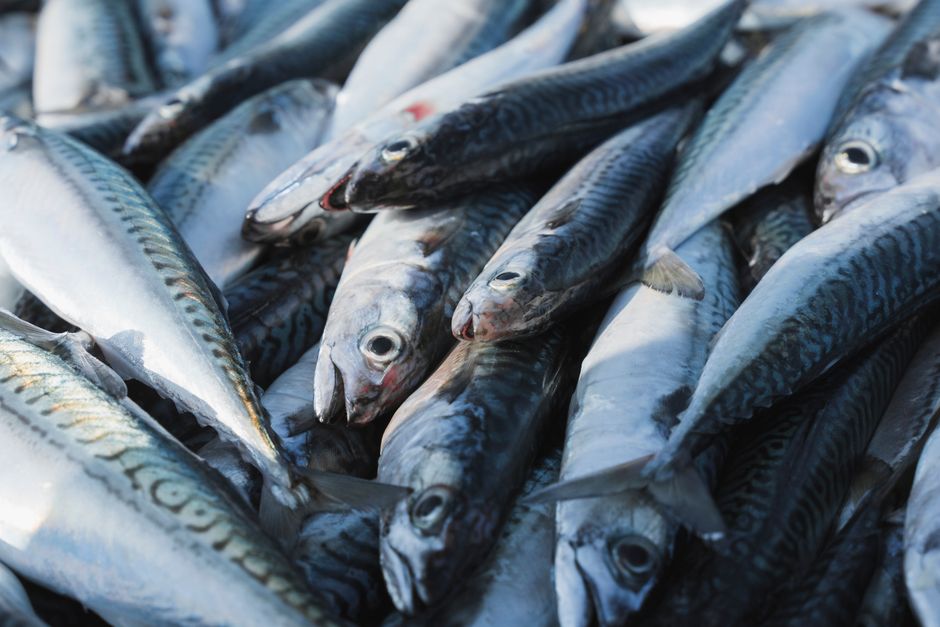
Angler reports from islands such as Terceira mention fish like blacktail seabream, needlefish, conger eels and triggerfish, often small. Results are never guaranteed, and shore fishing here is as much about setting and patience as the catch. We avoid detailed species lists by island or month because they vary and cannot be verified here; a local tackle shop or the regional fisheries authority can give a current picture.
Minimum sizes and limits exist for some species and are set by regional ordinance, so a fish that looks fine may be undersized. If you cannot identify what you caught, release it gently. Our Azores marine wildlife guide gives a good overview of the wider ecosystem.
Licences and Recreational Fishing Rules
Rely on official information here. What we could verify from regional sources:
- Recreational fishing in the Azores is governed by regional legislation (Decreto Legislativo Regional n.º 9/2007/A and later ordinances) and is, in general, subject to licensing. Licences of different durations, from a single day to several years, are issued through official regional channels, including an online portal.
- The regional fisheries department can set extra rules by ordinance: catch limits, minimum sizes, and restrictions on species, areas or periods. These change, so figures quoted in articles go out of date quickly.
- Spearfishing and fishing from a boat have their own conditions. The mainland Portuguese system has a separate shore-only category, but it states that it does not apply to the Azores, so do not assume mainland rules carry over.
- Recent national measures restrict recreational fishing in beach concession areas during the bathing season.
We found no unambiguous official statement of exactly what a visitor needs for rod-and-line fishing from the shore, so our advice is simple: check with the regional authority (the regional directorate responsible for fisheries) before you fish, and carry any required licence. We do not list fees because they change. This is not legal advice; please check before travelling.
Protected Marine Areas
The Azores have a network of marine protected areas, and some coastal stretches restrict fishing, anchoring or collecting. A well-known example is Monte da Guia on Faial, a popular swimming and diving spot with a protected-marine-area regime. We could not confirm its exact current fishing rules, so check with the regional authority before casting a line there. The same applies to the Faial-Pico channel protected area and to nature reserves with fish nursery zones.
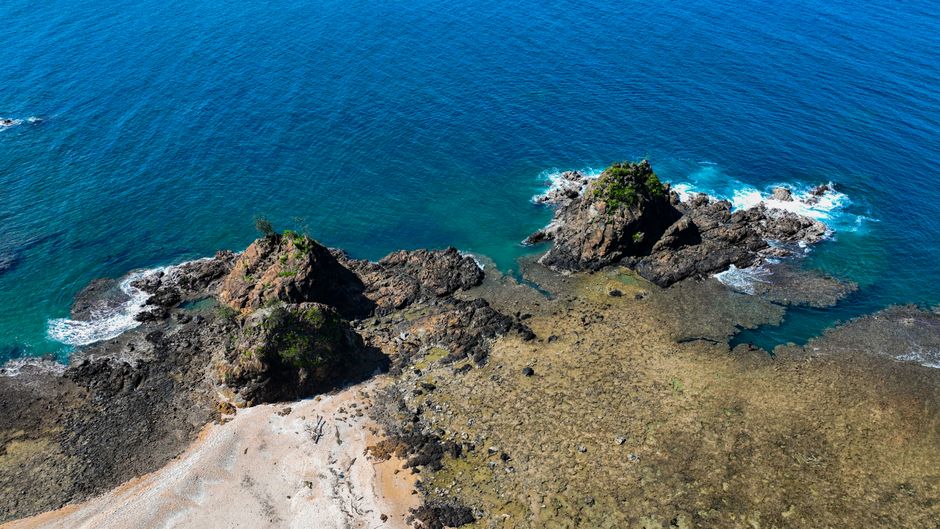
Look for information boards at coastal access points, consult the regional protected-areas portal for the island you are on, and ask at the local nature park office. If a spot is signed as a reserve or the rules are unclear, choose another. More on the island in our Faial complete guide.
Respect and Catch-and-Release
- Take only what you will eat. Respect legal sizes and limits, and release undersized or unwanted fish promptly.
- Handle fish with wet hands, avoid dragging them over dry rock, and consider barbless or crushed-barb hooks. If a hook is deep, cut the line rather than tearing it out.
- Do not collect shellfish or other marine life unless you know the regional rules.
- Take all line, hooks and packaging home. Discarded monofilament is a serious hazard for seabirds and marine animals.
- Share the space. Keep away from swimmers, give other anglers room, and do not clean fish in natural pools or on beaches.
- Be quiet and tidy near houses and fishing harbours, which are working places for local people.
Best Months and Conditions
There is no single best month, and we do not promise seasons for particular species. What we can say is that sea conditions, more than fish, decide when shore fishing is practical and safe. The Azores have a mild oceanic climate with changeable weather all year. Late spring to early autumn is generally calmer and warmer, which makes access easier. Winter brings larger Atlantic swells and more storms, and many rocky platforms become dangerous for long stretches.
Dawn and dusk are traditionally favoured by anglers, and harbour lights in the evening attract many locals. Whatever the month, plan around the sea forecast, not the calendar. A calm winter day can be better than a rough summer one.
Gear Tips
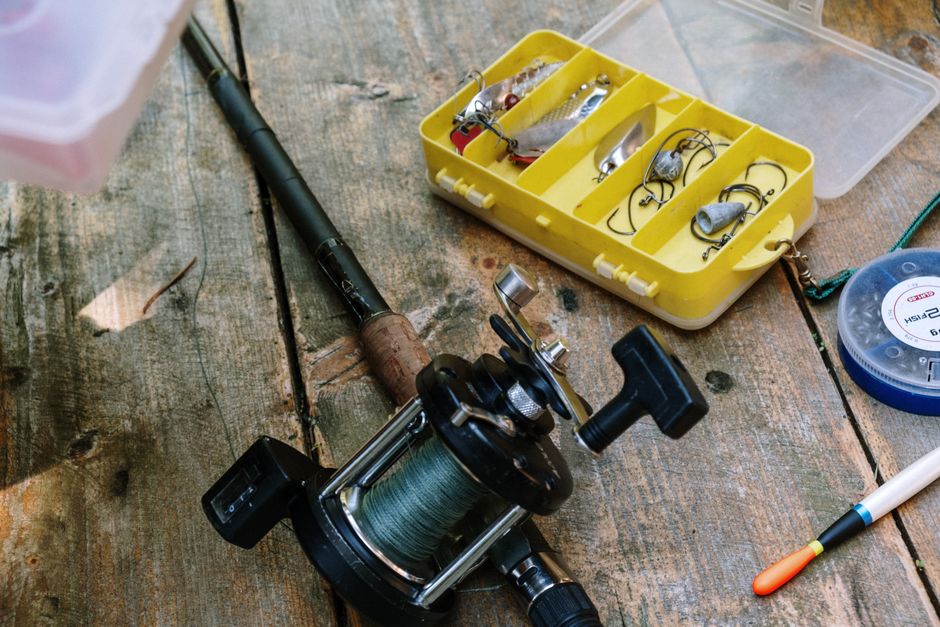
- Keep it simple. A medium-length spinning or surf-style rod with a robust reel and strong line is a sensible general choice. Sturdy leaders are worth the weight.
- Expect snags. Rocky bottoms eat tackle, so bring spare hooks, weights and leaders and avoid expensive lures in the roughest spots.
- Bait and lures vary. Ask in a local tackle shop what suits the spot and season, and buy bait locally.
- Dress for it. Grippy footwear, a waterproof layer, gloves for line and a hat matter more than a fancy rod.
- Carry the essentials. Pliers or a hook remover, a small knife, a bag for rubbish, water, sun protection and a headlamp for evenings.
- Flying with tackle? Airline rules for rods and sharp items vary; check them or buy basic gear on the island.
FAQ
Do I need a licence to fish from the shore in the Azores?
Recreational fishing is generally subject to licensing under regional law, with several licence durations available. We could not confirm one definitive rule for every shore situation, so check with the regional authority before you fish.
Is shore fishing safe for beginners?
Harbour walls and piers in calm weather are the most beginner-friendly. Exposed rock platforms are not, especially in swell. Start sheltered and get local advice.
What fish can I expect?
Mostly small to medium rocky-shore species such as seabreams and wrasses, though results vary. Check minimum sizes and release anything you cannot identify.
Can I fish at Monte da Guia?
It is a protected marine area; check the rules with the regional authority before you go.
Can I fish from beaches?
Recent measures restrict recreational fishing in beach concession areas during the bathing season. Look for signs and fish elsewhere.
Final Thoughts
Shore fishing in the Azores rewards patience, humility and preparation. The setting is superb, with black rock and deep blue water, but the same coast can be unforgiving. Put safety first, learn the rules from the official source, take little and leave nothing behind. Conditions, regulations and local services change, so check current information before you travel.