The Azores are one of the world's premier sport fishing destinations. Positioned in the mid-Atlantic, roughly 930 miles west of Lisbon, these nine volcanic islands sit above a network of seamounts and mid-ocean ridges that concentrate baitfish and attract some of the largest pelagic predators on earth. Warm Gulf Stream currents meeting cold, nutrient-rich upwellings create a marine ecosystem unlike anywhere else in the Atlantic — and for anglers, that means world-record fish.
The archipelago holds more IGFA (International Game Fish Association) records for Atlantic blue marlin than any other region, accounting for approximately 25% of all conventional-tackle blue marlin world records. Since 2016, at least five granders (blue marlin exceeding 1,000 lbs / 453 kg) have been recorded in Azorean waters. This is not hype — it is a verified, documented track record that draws top-level sport fishermen from across the globe every summer.
Big Game Fishing in the Azores
Big game fishing in the Azores means blue marlin, several tuna species, swordfish, mako shark, wahoo, and dorado — all available within a short boat ride from shore. The underwater topography is dramatic: water depths of 300–1,000 metres begin just a few kilometres from most ports, making access to prime fishing grounds fast and efficient.
Key Species
- Blue Marlin (Makaira nigricans): The undisputed flagship species. Average catches weigh 200–400 kg, with granders (450+ kg) occurring multiple times each season. The IGFA women's 50-pound-test blue marlin world record was set in the Azores at 875 lbs. Peak season: August–September.
- Bluefin Tuna (Thunnus thynnus): Subject to strict catch regulations, bluefin tuna can exceed 300 kg. Best season: May–June. Regulations vary annually — always confirm current rules with your charter operator.
- Bigeye Tuna (Thunnus obesus): An IGFA world record for bigeye (292 lbs) was set in the Azores by Andrea Beuter. Available July–October in good numbers.
- Albacore (Thunnus alalunga): The "chicken of the sea" is abundant in Azorean waters almost year-round and is the backbone of the traditional Azorean tuna industry. Excellent on light tackle.
- Yellowfin Tuna (Thunnus albacares): Less common than bigeye but present during summer months. Hard fighters on light gear.
- Swordfish (Xiphias gladius): Targeted with deep jigging or overnight drift fishing at depth. Night swordfish trips are a growing niche.
- Shortfin Mako (Isurus oxyrinchus): One of the fastest sharks in the ocean — spectacular jumpers that provide unforgettable fights.
- Wahoo (Acanthocybium solandri): Extremely fast, lightning strikes on high-speed trolling lures or live bait. A genuine bucket-list species for many anglers.
- Mahi-Mahi / Dorado (Coryphaena hippurus): Colorful, acrobatic, and delicious. Often found near floating debris and weed lines.
Techniques
- Trolling: The primary method for marlin and large tuna. Heavy rods (50–130 lb class) with artificial skirted lures (konas, cedar plugs) or rigged natural baits (squid, mackerel) trolled at 6–10 knots. Teaser configurations and outriggers are standard on offshore vessels.
- Deep Vertical Jigging: Metal jigs of 100–400 g dropped to depths of 200–600 m and worked with rhythmic pumping motions. Highly effective for swordfish, large grouper, alfonsino, and deep-reef species.
- Slow Pitch Jigging: A slower, more methodical jigging style targeting bottom-dwelling species — wreckfish (cherne), grouper, and red snapper.
- Topwater / Popper Fishing: Surface lures that create commotion — thrilling visual strikes from albacore, skipjack, and wahoo. Best from June through October.
- Live Bait Chunking: Cutting chunks of fresh bait to attract tuna to the boat — once a school is excited, hook-up rates are very high.
Best Islands for Big Game Fishing
- São Miguel (Ponta Delgada): The main logistics hub with the largest fleet of charter boats, direct flights from multiple European cities, and the widest choice of operators and price points.
- Pico (Lajes do Pico): The most celebrated island for blue marlin. The underwater geography around Pico concentrates large pelagics, and Lajes do Pico has a strong tradition of sport fishing charter operations.
- Faial (Horta): The famous Marina da Horta is the meeting point of Atlantic cruisers and hosts solid charter operations for marlin and tuna.
- Terceira (Angra do Heroísmo): Growing charter scene with proximity to the Dollabarat bank — a productive seamount for deep jigging and big game.
Shore Fishing in the Azores
Shore fishing in the Azores offers something genuinely special: dramatic black lava formations, crystal-clear water, and minimal fishing pressure compared to mainland Europe. All islands offer excellent rock fishing, harbour fishing, and in some locations, surf fishing from sand beaches.
Shore Species
- Bream (Sargo / Choupa): The most commonly targeted shore species. Taken on bottom rigs with mussel, shrimp, or limpet bait from rocky ledges and harbour walls.
- Wrasse (Bodião): Abundant on reef margins. Easy to catch and a great target for younger anglers learning the sport.
- Horse Mackerel (Carapau / Chicharro): Shoaling species caught in harbours on small feathers or sabikis. Excellent live bait for larger predators.
- Bluefish (Enchova): Caught with metal lures (Kastmaster, wedge-style lures) during summer from rocky beaches and breakwaters. Fast, aggressive fish.
- European Barracuda (Barracuda): Increasingly common from August–October. Spinning with hard minnow lures along rocky coasts produces explosive strikes.
- Squid (Lula): Night squid jigging from harbours and quays is a popular and productive autumn activity. The Azores squid is renowned for quality.
- Conger Eel (Congro): Targeted at night from rocky outcrops and around harbour walls using whole mackerel or squid.
Best Shore Fishing Spots
- Caloura Harbour (São Miguel): Widely considered the best shore fishing spot on the island. Sheltered bay with diverse reef structure — ideal for bream, wrasse, and conger at night.
- Ponta Delgada Breakwater: Accessible, productive, and free. Good for horse mackerel, bluefish, and casting to bream. Popular with locals.
- Biscoitos (Terceira): The famous natural pools area also offers superb rock fishing for a range of reef species. Night squid jigging here is excellent.
- Horta Harbour (Faial): The marina breakwater and surrounding rocks provide solid fishing for bream, wrasse, and squid.
- São Roque / Areia Larga Beaches (São Miguel): Sandy beach areas where surf fishing for bass and bream is possible at dawn and dusk.
Traditional Azorean Fishing Methods
Long before sport fishing arrived, the Azores developed a rich tradition of artisanal and subsistence fishing methods perfectly adapted to the island environment. These traditions remain alive today — both as working practices and as cultural heritage.
Pole and Line Tuna Fishing
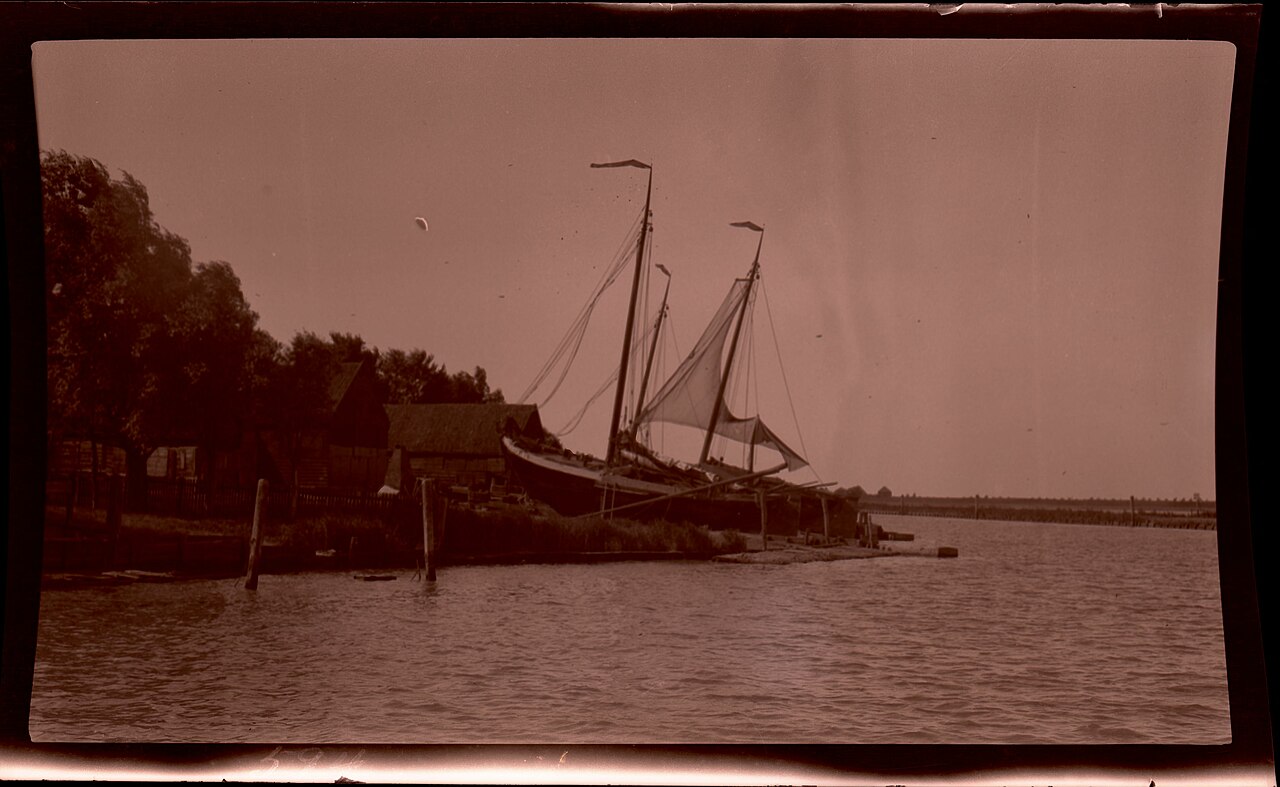
The iconic Azorean tuna fishing tradition. For decades, the Azorean tuna fleet operated pole-and-line (cana e molinete) method — an extraordinarily sustainable technique in which each tuna is caught individually with a single unbarbed hook on a flexible rod. Live bait (horse mackerel or sardine) is scattered to excite the school; individual fish strike aggressively and are swung aboard in one fluid motion. This method has zero bycatch and is certified as one of the most sustainable tuna fishing methods in the world. Although industrial pole-and-line has declined, smaller operators still practice it, and it is increasingly celebrated for its low environmental footprint.
Handline Fishing
The oldest method still practiced. Thick cotton or nylon lines with multiple hooks are hand-lowered to the seafloor above seamounts and rocky banks. Targets include wreckfish (cherne), grouper (garoupa), alfonsino (alfonsim), and red snapper (pargo). Many artisanal fishermen still rely on this technique for its simplicity, low cost, and effectiveness on deep-reef species.
Octopus Hook Fishing (Bicheiro)
A traditional coastal technique using a long iron hook (bicheiro) to probe rock crevices and lava formations for octopus. Requires patience and knowledge of local coastline. Still practiced by local fishermen on smaller islands, and a memorable experience if you can join a local for a session.
Limpet Harvesting
While not fishing in the conventional sense, the collection of limpets (lapas) from rocks is a deeply embedded cultural practice in the Azores. Grilled limpets with garlic and butter (lapas grelhadas) are one of the signature dishes of Azorean cuisine — and tasting them fresh from the sea connects visitors to centuries of island food culture.
Charter Operators and Prices (2025–2026)
The Azores charter fishing market is well-organised and internationally oriented. Most reputable operators speak English, maintain modern vessels, and carry the necessary safety and fishing licences. Sport fishing licences are typically included in charter prices.
Recommended Operators
- Azores Fishing Charters — Operating from Pico (Lajes do Pico) and São Miguel. Specialise in big game (marlin, tuna). Licence included. Highly rated by international guests.
- Alabote Sport Fishing Charters — Based in São Miguel. Modern fleet, experienced crew. Focus on blue marlin and tuna.
- Azores Water Sports (Ratinho) — São Miguel. Offers big game fishing alongside other water activities. Good for groups combining fishing with other experiences.
- DBM Azores — São Miguel. Specialised big game packages with accommodation options.
- Oceantur Azores Sportfishing — Ponta Delgada. Captain Carlos Linhares with 10+ years experience. Strong local reputation.
Price Guide 2025–2026
- Half-day trip (4 hours, up to 4 anglers): €350–€600
- Full-day trip (8 hours, up to 4 anglers): €700–€1,500
- Premium big game charter (full day, 2 mates, all equipment): €2,000–€3,000
- Per-person shared charters: From €150–€250 per person (where available)
All reputable operators include fishing equipment, sport fishing licence, water, and light refreshments. Advance booking of 2–4 weeks is strongly recommended during peak season (July–September).
Fishing Regulations
- Charter fishing: No individual licence required — the operator holds the necessary permits.
- Shore and recreational fishing: Recreational fishing licence required, issued by RIAC (Regional authority). Available online and at local harbourmaster offices. Low cost.
- Spearfishing: Separate permit required.
- Catch and Release: Strongly encouraged (and sometimes mandatory) for blue marlin and certain tuna. Operators are trained in proper release techniques to minimise fish stress.
- Bluefin tuna: Subject to annual EU quotas. Always confirm current regulations with your operator before booking.
Best Time to Fish the Azores
- April–June: First albacore and bigeye tuna arrivals. Excellent reef fishing. Lower tourist pressure and better prices.
- July–October: Peak big game season. Blue marlin at their most concentrated. August and September offer the highest probability of trophy-size fish.
- October–November: Outstanding deep jigging and reef fishing. Squid season begins. Fewer charters — more personalized service.
- December–March: Shore and reef fishing remains active. Big game charters largely inactive. Ideal for budget anglers seeking a quieter experience.
Frequently Asked Questions: Fishing in the Azores
Do I need prior fishing experience to book a big game charter in the Azores?
No experience is necessary. All reputable charter operators welcome beginners and provide full instruction on board. Experienced mates assist with technique, equipment setup, and fighting the fish. Physical fitness helps — Atlantic conditions can be challenging — but no prior angling background is required.
What is the best island in the Azores for blue marlin fishing?
Pico Island, operating from the port of Lajes do Pico, is the most celebrated destination for blue marlin fishing. However, São Miguel (Ponta Delgada) offers more operators, better flight connections, and broader logistical support — making it the more practical choice for most visiting anglers.
Is catch and release mandatory for blue marlin in the Azores?
Catch and release is the dominant ethical practice for blue marlin in the Azores and is encouraged by operators and local fishing associations. In some cases it is a regulatory requirement. The Azores fishing community is deeply committed to sustainable practices that protect marlin populations for future generations.
Can I fish from shore without booking a charter?
Yes. Shore fishing is accessible on all islands with a recreational fishing licence (cheap and easy to obtain). The volcanic coastlines provide excellent spots for reef species, and harbour walls are productive for bream, horse mackerel, and squid. No boat or guide is required for a rewarding shore fishing experience.
What should I bring for a deep-sea fishing charter in the Azores?
The charter provides all fishing equipment. Bring sunscreen, polarised sunglasses, a hat, light layers (mornings can be cool even in summer), and sea-sickness medication if you are prone to motion sickness. Eating a light meal before departure is recommended. Most charters provide water and snacks.