Where to Go Whale Watching in the Azores: Choosing Your Island, Month by Month
Almost every island in the Azores can put you on a boat with whales and dolphins, so the real question is not whether to go but where to base yourself and when. The archipelago sits in deep Atlantic water close to shore, and that is why so many cetaceans pass through. This guide is about choosing: which island suits your trip, which species are more likely in each season, what kind of boat to pick, and how to behave once you are out there. For the general overview, see our whale watching in the Azores guide; here we focus on the decision itself.
Why the Island You Pick Matters
Whale watching in the Azores is a regulated activity run by licensed operators from ports on several islands. The sea around all of them is deep and productive, but your experience will still differ depending on where you sleep. Three things change from island to island: how much else there is to do on land, how easy it is to reach the port, and how many departures and operators are normally available. A trip based in the main hub gives you many options and easy flights; a smaller island gives you a quieter, more local atmosphere and a whale-watching tradition that is often tied to the island's history.
Weather matters more than geography. The Atlantic is unpredictable, and any operator may postpone or cancel when the sea state is poor. For that reason, avoid putting your only whale-watching slot on your last day, whichever island you choose.
Who You Might See: Residents vs Seasonal Visitors
The simplest way to understand the calendar is to split the animals into two groups.
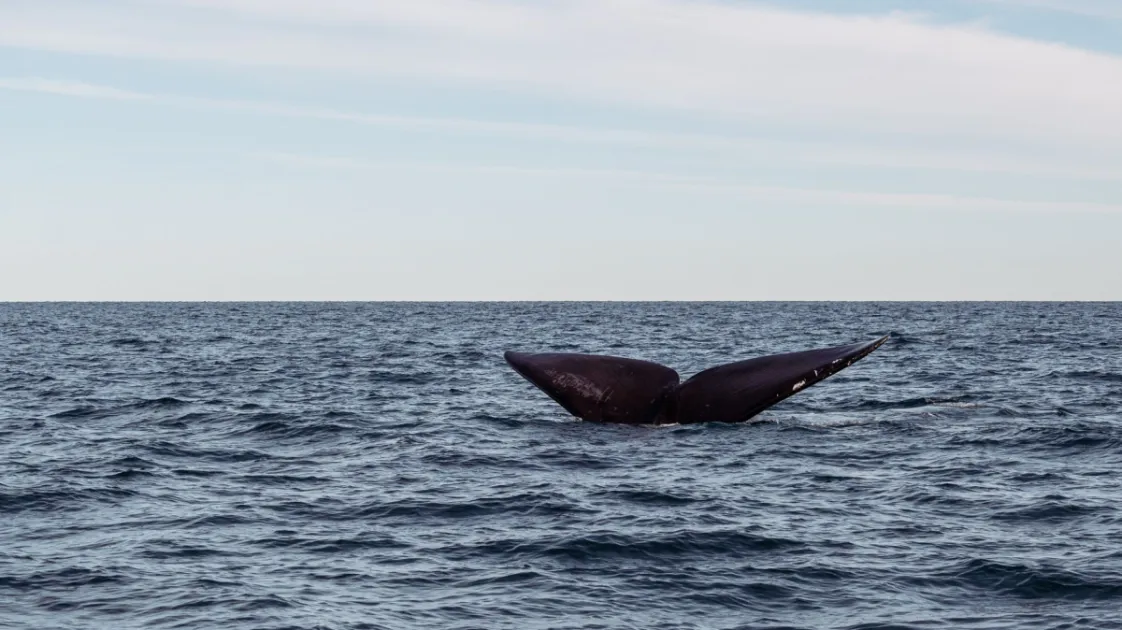
- Sperm whales are the signature species. They are regularly seen around the archipelago for much of the year, and sightings tend to be most reliable in the warmer months. They are deep divers, so a typical encounter involves waiting at the surface while a whale breathes before its next dive.
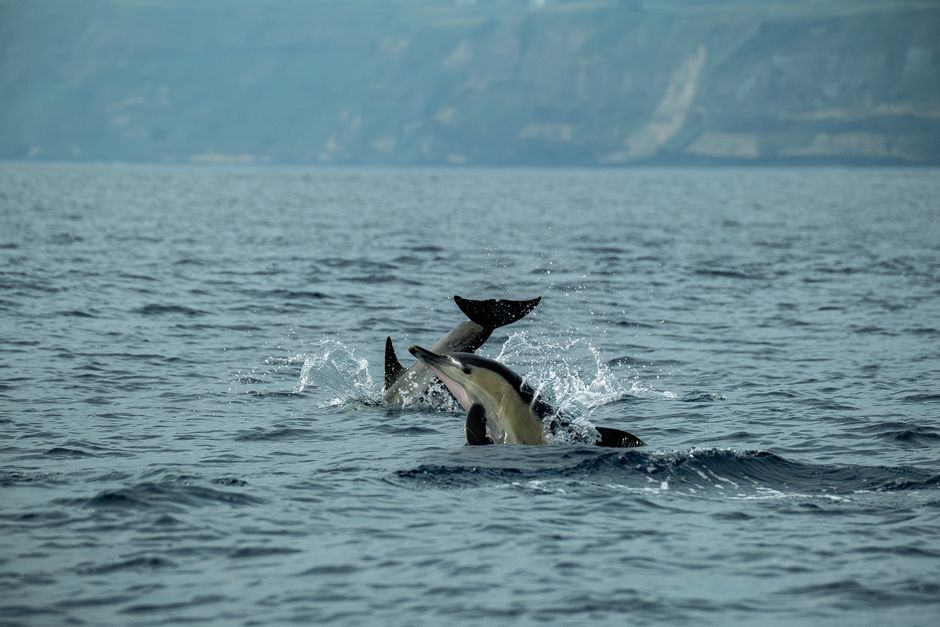
- Resident dolphins such as common dolphins, bottlenose dolphins and Risso's dolphins are present across the seasons, which is why even a quiet day at sea is rarely empty. Spotted and striped dolphins also appear regularly, usually in warmer months.
- Baleen whales (blue, fin and sei whales, among others) pass through on migration. The spring window, roughly from March into May or June, is when the chance of a blue or fin whale is highest. Sei whales and others may also be reported later in summer.
- Other visitors include pilot whales, beaked whales and occasionally orcas or humpbacks. These are never guaranteed and are best treated as a bonus.
Month by Month
Exact timings shift from year to year with ocean temperature and food supply, so treat the list below as a general pattern rather than a promise. Operators publish their own seasons, and some work only part of the year, so check before you book.
- November to February: low season. Fewer operators run trips and sea conditions are rougher. Resident dolphins and sperm whales remain possible on good days, but expect cancellations.
- March: the season starts to open. Migrating baleen whales begin to appear, and some operators resume regular departures.
- April and May: the classic window for blue and fin whales, with sperm whales and dolphins as a strong supporting cast. The weather is changeable, and the water is cold, so dress warmly.
- June: the baleen migration tails off, while days get longer and the sea calmer. A good compromise between variety and comfort.
- July to September: peak season for visitors, with the calmest seas and the most departures. Sperm whales and several dolphin species are the focus, and sei whales or pilot whales are sometimes reported. Book early for August.
- October: a quieter month, with fewer crowds and still-decent chances of dolphins and sperm whales, although the weather becomes less reliable. Some operators wind down by the end of the month.
If you can choose freely, many travellers favour April to June for variety, or July to September for comfort and flexibility. Neither guarantees a particular species.
São Miguel, Pico, Faial, Terceira and the Others
São Miguel
The largest island and the main entry point for most visitors, with its capital Ponta Delgada as the busiest base. It has the widest choice of departures, accommodation and onward connections, and plenty to do on land if the sea is rough or you want a mixed holiday. It suits first-timers, families and people with only a few days.
Pico
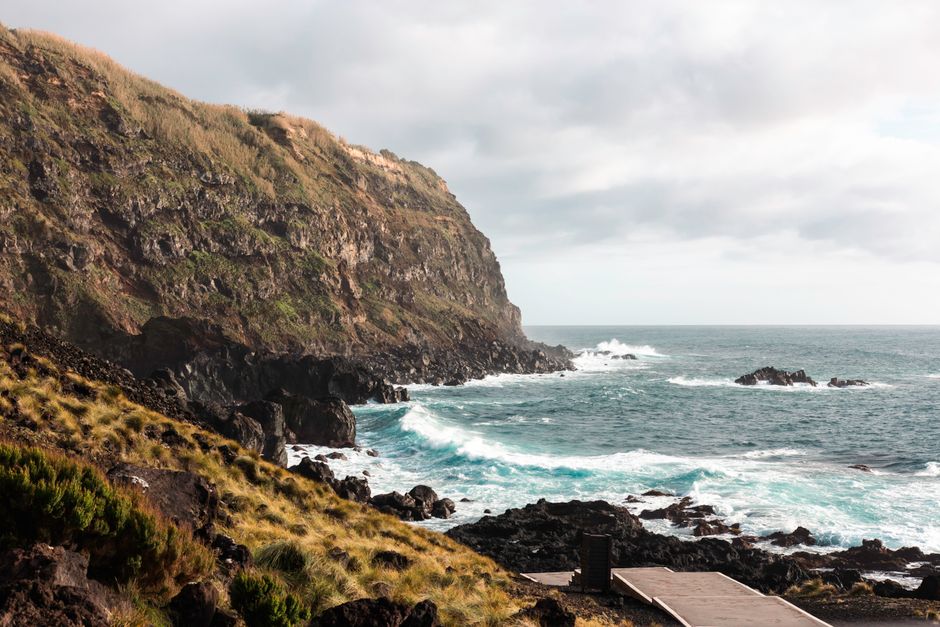
Pico has the strongest historical link to the subject. Whaling was a traditional activity here until it ended in the 1980s, and lookout posts on the coast, known as vigias, once guided the boats. Today some of those traditions have turned into conservation and tourism, and the island has museums dedicated to the whaling past. It is a natural choice if you want to combine the sea with the mountain, vineyards and a slower rhythm. Our Pico island guide covers the land side.
Faial
Faial lies just across a narrow channel from Pico, and the two are easy to combine with a short ferry crossing. Horta, with its famous marina, is a convenient base for those who like a lively harbour town atmosphere. Because Faial and Pico are so close, some travellers split their stay between them and compare operators. Read more in our Faial island guide.
Terceira
Terceira offers a different mix: a UNESCO-listed historic centre, strong local culture and a good airport. Whale and dolphin trips are available, and it is a good option if you prefer a cultural base with the sea as one highlight rather than the main event. Our Terceira guide has the details.
São Jorge, Santa Maria, Flores and Graciosa
Other islands also have sea-based wildlife activities, usually on a smaller scale and sometimes seasonally. They are worth considering if you are already visiting for hiking, beaches or quiet landscapes and want a short outing rather than a whale-focused trip. Availability changes from year to year, so confirm what is currently operating before you plan around it.
Choosing between them: pick São Miguel for convenience and variety, Pico or Faial for a whale-focused stay with strong local identity, and Terceira for culture with a sea outing.
RIB or Larger Boat?
Operators generally use two kinds of vessel, and the choice affects comfort more than sightings.
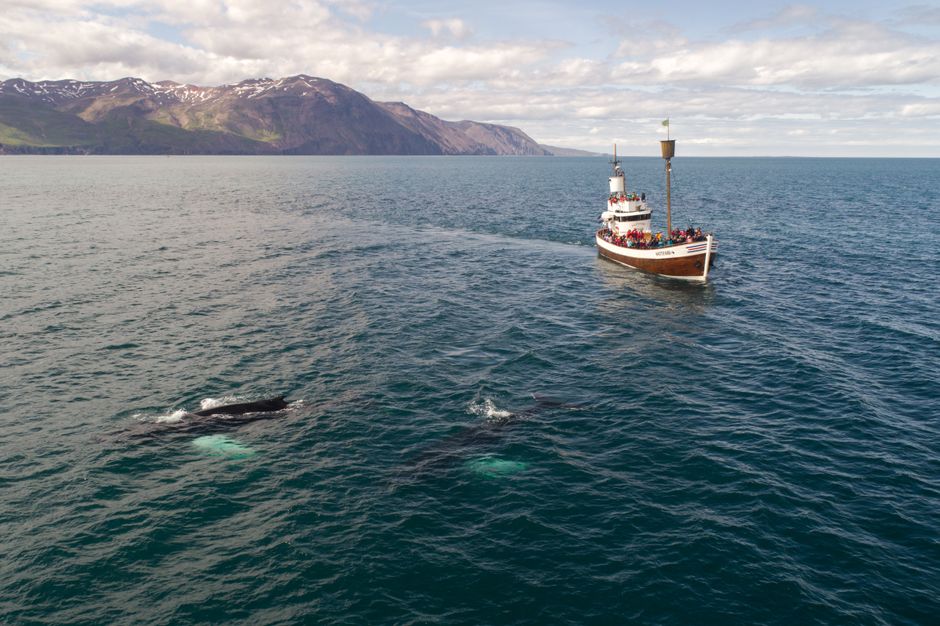
- RIBs (rigid inflatable boats): small, fast and low to the water. You feel closer to the sea, the group is smaller and the boat can reposition quickly. They are bumpier and wetter, usually come with waterproof suits and life jackets, and may not suit people with back problems, pregnancy or very young children. Check the operator's age and health rules.
- Larger boats: steadier, with seating, shelter and sometimes a toilet and a higher viewpoint. Better for families, older travellers and anyone prone to seasickness, although the group is larger and the boat is slower.
Neither is better in absolute terms. Pick the RIB for an adventurous, close-to-the-water feel and the larger boat for comfort. If you want to combine whales with a sailing day, our sailing and boat tours guide compares other options.
Responsible Whale Watching and the Rules
Whale watching in the Azores operates under regional legislation that requires licensed operators and a code of conduct. The details, including approach distances, time spent near animals and the number of boats allowed near a group, are set by the authorities and can be updated, so check current rules instead of relying on this article.
What to look for as a visitor:
- A licensed operator that follows the code of conduct and briefs passengers before departure.
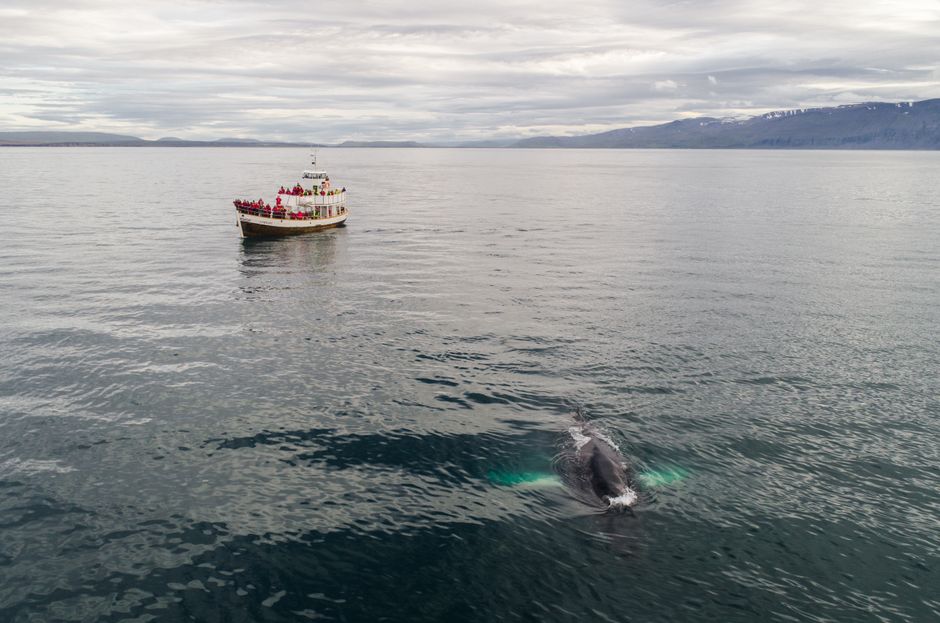
- No chasing or crowding. Good skippers approach slowly from the side or behind, keep distance and limit the time with each group.
- No feeding, touching or swimming with whales. Do not ask the crew to bend the rules, and never enter the water with whales on your own.
- Quiet behaviour on board, no throwing objects, and no litter. Bring a reusable bottle and keep plastics secured.
- No drones unless the rules and the operator explicitly allow them, and never near animals.
- Realistic expectations. Wild animals do not perform. A good operator will explain this and will not promise specific species.
Practical Planning Tips
- Book a trip early in your stay so there is a spare day if it is cancelled.
- Bring layers, a windproof jacket, sunglasses, a hat and sun protection. It is cooler on the water than on land.
- If you are prone to seasickness, talk to a pharmacist beforehand and choose a larger boat; avoid heavy meals before sailing.
- Prices, schedules and operators change, so use current information from official or booking sources rather than old blog posts.
Frequently Asked Questions
Which island is best for whale watching in the Azores?
There is no single winner. São Miguel is the most convenient, Pico and Faial are popular with travellers focused on whales, and Terceira suits those who want culture too. The sea is productive around all of them.
What is the best month to see whales?
Spring is often chosen for baleen whales such as blue and fin whales, while summer offers calmer seas and reliable sperm whale and dolphin trips. No month guarantees a species.
Can I see whales in winter?
Possibly, as some animals stay in the area, but fewer trips run and weather often interferes. Check with operators.
Is a RIB or a larger boat better?
A RIB is closer to the water and more adventurous; a larger boat is steadier and better for families or people prone to seasickness.
Is swimming with whales allowed?
Not in general. Regulations restrict interaction with wild cetaceans, so follow the code of conduct and your operator's instructions.
Final Thoughts
The best island for whale watching is the one that fits the rest of your trip. Choose São Miguel for ease, Pico or Faial for a whale-centred stay, and Terceira for culture with a sea outing, then pick the month that matches the species you care about most. Book early in your stay, choose a licensed and responsible operator, and keep expectations flexible. Conditions, rules and operators change, so confirm everything before you travel.