Azores in 7, 10 and 14 Days: Itineraries and Which Islands to Choose
The Azores are nine islands spread across roughly 600 km of Atlantic Ocean, and that is the first planning problem: you cannot see everything, and trying to will leave you spending more time at airports and harbours than on trails and viewpoints. The good news is that the archipelago rewards a slower approach. A week on one or two islands can feel complete, ten days opens up the Central Group, and two weeks lets you string together a genuine island-hopping route. This guide gives you three realistic itineraries for 7, 10 and 14 days, explains which island combinations suit which interests, and covers inter-island logistics in general terms so you can plan with confidence.
How Many Islands Should You Visit?
A useful rule of thumb is to allow at least three nights per island, and never fewer than two. Every change of island costs you part of a day: checking out, getting to the airport or harbour, waiting, travelling, collecting a rental car and checking in again. With three nights you still get two full days on the ground, which is enough to do one or two major sights without rushing.
That rule gives a simple formula. In 7 days, two islands is comfortable and three is already ambitious. In 10 days, three islands works well. In 14 days, four or five is realistic, and you can still leave a day of slack for weather. The Azores climate is changeable: low cloud can hide a crater lake one morning and reveal it by the afternoon, and ferries or flights can occasionally be disrupted by wind or poor visibility. For a month-by-month picture of conditions, see our Azores weather guide.
Geography matters too. The archipelago is divided into three groups: the Eastern Group (São Miguel and Santa Maria), the Central Group (Terceira, Graciosa, São Jorge, Pico and Faial) and the Western Group (Flores and Corvo). Islands within a group are close together, which makes combinations within one group far easier than jumping between groups.
7 Days: São Miguel and Terceira
For a first visit, São Miguel is the natural base: it is the largest island, has the main international gateway at Ponta Delgada, and packs in crater lakes, thermal springs, tea plantations and coastal viewpoints. Terceira makes a good second island, with a UNESCO-listed historic town, a volcanic cave and a very different, more traditional atmosphere.
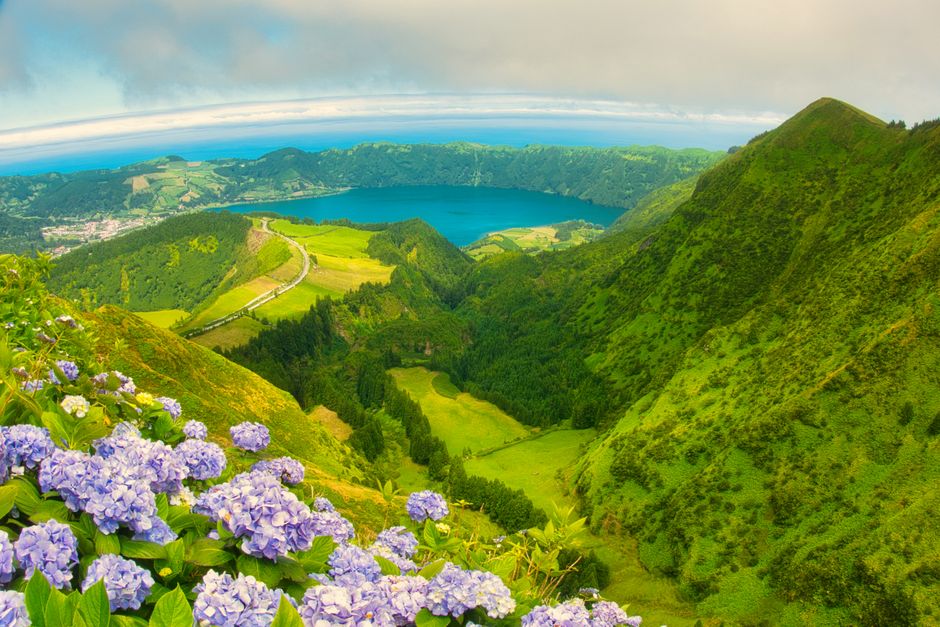
- Days 1–2, São Miguel west: arrive in Ponta Delgada, stroll the historic centre, then head to the Sete Cidades crater and its twin lakes and the nearby coastal viewpoints.
- Day 3, Furnas: the Furnas valley combines a lake, fumaroles, thermal pools and gardens. Try the local stew cooked underground by volcanic heat, usually booked ahead.
- Day 4, north and east: tea plantations, small coastal villages and, if the season suits, a whale- or dolphin-watching trip from Ponta Delgada.
- Day 5, fly to Terceira: a short inter-island flight; spend the afternoon in Angra do Heroísmo, whose historic centre is a UNESCO World Heritage Site.
- Day 6, Terceira interior and coast: volcanic landscapes, natural swimming pools and, subject to current opening arrangements, the Algar do Carvão lava tube.
- Day 7: a relaxed morning, then your onward flight.
If you would rather avoid any inter-island transfer, São Miguel alone can fill all seven days comfortably.
10 Days: São Miguel plus the Pico–Faial Pair
With ten days you can add the Central Group's most photogenic pair. Pico and Faial face each other across a narrow channel and are connected by a short, frequent ferry, which makes them the easiest island-hopping combination in the archipelago.
- Days 1–4, São Miguel: Sete Cidades, Furnas, the north coast and a free day for whale watching, hiking or thermal pools.
- Day 5, fly to Pico or Faial: check current flight connections; some routes go through other islands or Lisbon, so allow for a long travel day.
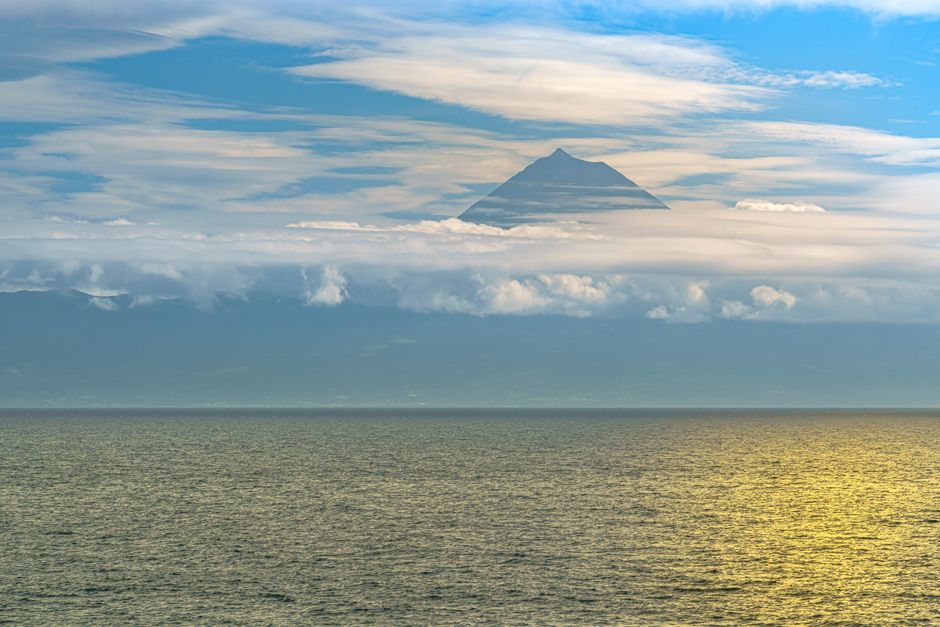
- Days 5–7, Pico: the island is dominated by Mount Pico, Portugal's highest peak, and by a UNESCO-listed landscape of black-lava vineyard walls. Plan the mountain climb only in good visibility and with proper preparation, and read our Pico Island guide first.
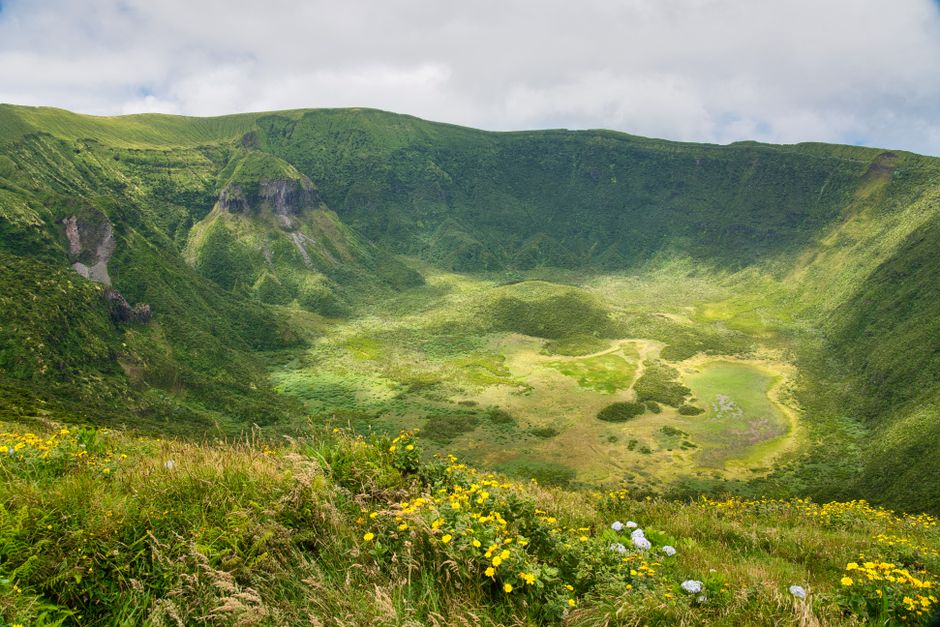
- Days 8–9, Faial: cross by ferry to Horta, the sailing capital of the mid-Atlantic, then visit the Capelinhos volcano and the Caldeira. See our Faial Island guide.
- Day 10: fly out, usually via another island or Lisbon, so keep the day clear.
14 Days: A Five-Island Route
Two weeks lets you cover the heart of the archipelago without constant rushing. The following route moves broadly from east to west.
- Days 1–4, São Miguel: the classic highlights plus one slow day.
- Days 5–7, Terceira: Angra do Heroísmo, volcanic caves, traditional festivities if your dates coincide, and the coast.
- Days 8–9, São Jorge: a long, narrow island of high cliffs and fajãs, the flat coastal platforms formed by landslides and lava. This is trekking country; see our São Jorge guide.
- Days 10–12, Pico: vineyards, volcano, lava tubes and marine life.
- Days 13–14, Faial: Horta, Capelinhos and the Caldeira before your departure.
If you prefer remoteness over density, replace São Jorge with a flight to Flores and, if the schedule works, a short hop to Corvo. These two western islands are green, waterfall-rich and far less visited; they reward the extra travel time. Santa Maria, with its sunnier climate and sandy beaches, is another option for the start or end of the trip, especially in summer.
Which Islands for Which Interests
Start from what you enjoy. These pairings are general guidance:
- First-timers and variety: São Miguel plus Terceira, or São Miguel plus Pico and Faial.
- Hiking: Pico, São Jorge, Flores and São Miguel offer the most varied trails, from summit climbs to coastal paths descending to fajãs.
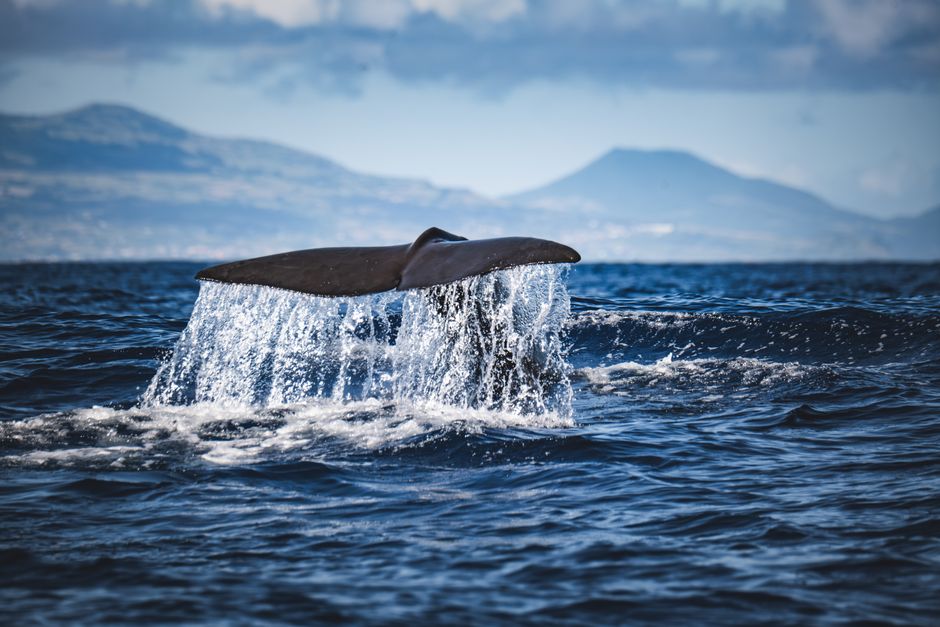
- Whale and dolphin watching: São Miguel, Pico and Faial all have established operators; seasons for particular species vary, so check before booking.
- Wine and food: Pico for its volcanic vineyards, São Jorge for its cheese, Terceira for its traditional cooking, and São Miguel for tea, pineapple and thermal-cooked stew.
- History and architecture: Terceira (Angra do Heroísmo) and Faial (the maritime heritage of Horta).
- Beaches and relaxing: Santa Maria, plus the calm bays of São Miguel and Faial in summer.
- Off the beaten path: Flores, Corvo, Graciosa and São Jorge.
- Thermal baths and wellness: São Miguel above all, with Graciosa as a quieter alternative.
Inter-Island Logistics: Flights and Ferries
Inter-island travel in the Azores works in two ways, and it is worth understanding both before booking accommodation.
Flights. All nine islands have an airport, and a regional airline connects them. Some islands are linked directly, while others are served through a hub island, so a journey between two small islands can take longer than the map suggests. Aircraft are small, baggage allowances can be stricter than on mainland flights, and wind or fog can cause delays or cancellations. Schedules change seasonally, with more frequent services in summer and a reduced offer in winter, so always check current timetables before fixing your itinerary.
Ferries. Sea connections are more limited and more seasonal. The Triangle (Faial, Pico and São Jorge) is the best served, and the Faial–Pico crossing in particular is short and runs frequently. Other links, including those to Terceira, Graciosa, Flores and Corvo, are generally concentrated in the warmer months, and may run only on certain days of the week. Sea conditions can alter plans. Check current timetables locally and treat any ferry-dependent day as one that needs a Plan B. Passenger numbers for vehicles are often limited, and many travellers simply rent a separate car on each island.
For the detailed picture, read our complete Azores island-hopping guide, which also covers buses and other local transport. Travelling in winter, ferry options shrink further, so flights tend to be the more reliable choice.
Practical Planning Tips
- Book flights and ferries early in summer. Capacity on small aircraft and popular crossings can fill up in July and August.
- Keep your last day free. If your international departure is from Ponta Delgada or another main airport, avoid scheduling a tight inter-island connection on the same day.
- Rent a car per island. It is usually simpler than moving a vehicle between islands, and it gives you the freedom the best viewpoints require.
- Check seasonal activities. Whale-watching, boat tours, some museums and several attractions have seasonal or reduced hours; check before travelling.
Frequently Asked Questions
Is 7 days enough for the Azores?
It is enough for a good first taste if you focus on one or two islands. São Miguel alone can fill a week, and São Miguel plus Terceira is a comfortable combination.
How many islands can I visit in 10 days?
Three is a sensible maximum, for example São Miguel, Pico and Faial. Adding a fourth usually means more time in transit than sightseeing.
What is the easiest island combination?
Pico and Faial, thanks to the short and frequent ferry link between them. São Miguel and Terceira are also well connected by air.
Should I fly or take the ferry between islands?
Flights cover all islands and are more reliable across the year. Ferries are most useful within the Central Group and mainly in the warmer months. Check current schedules, as they change seasonally.
When is the best time to follow these itineraries?
Late spring to early autumn offers the most transport options and the most settled weather, although conditions can change quickly at any time.
Do I need a car?
For most itineraries, yes, or at least a combination of rental car and organised tours. Public transport exists but is limited outside the main towns.
Final Thoughts
The best Azores itinerary is rarely the one that visits the most islands; it is the one that leaves room for the weather, for a long lunch, and for the viewpoint you did not plan to stop at. Start with the number of days you have, choose the islands that match your interests, and check current flight and ferry timetables before committing to any non-refundable booking. Done that way, 7, 10 or 14 days is enough to leave with a real sense of the archipelago, and a good reason to come back for the islands you left out.