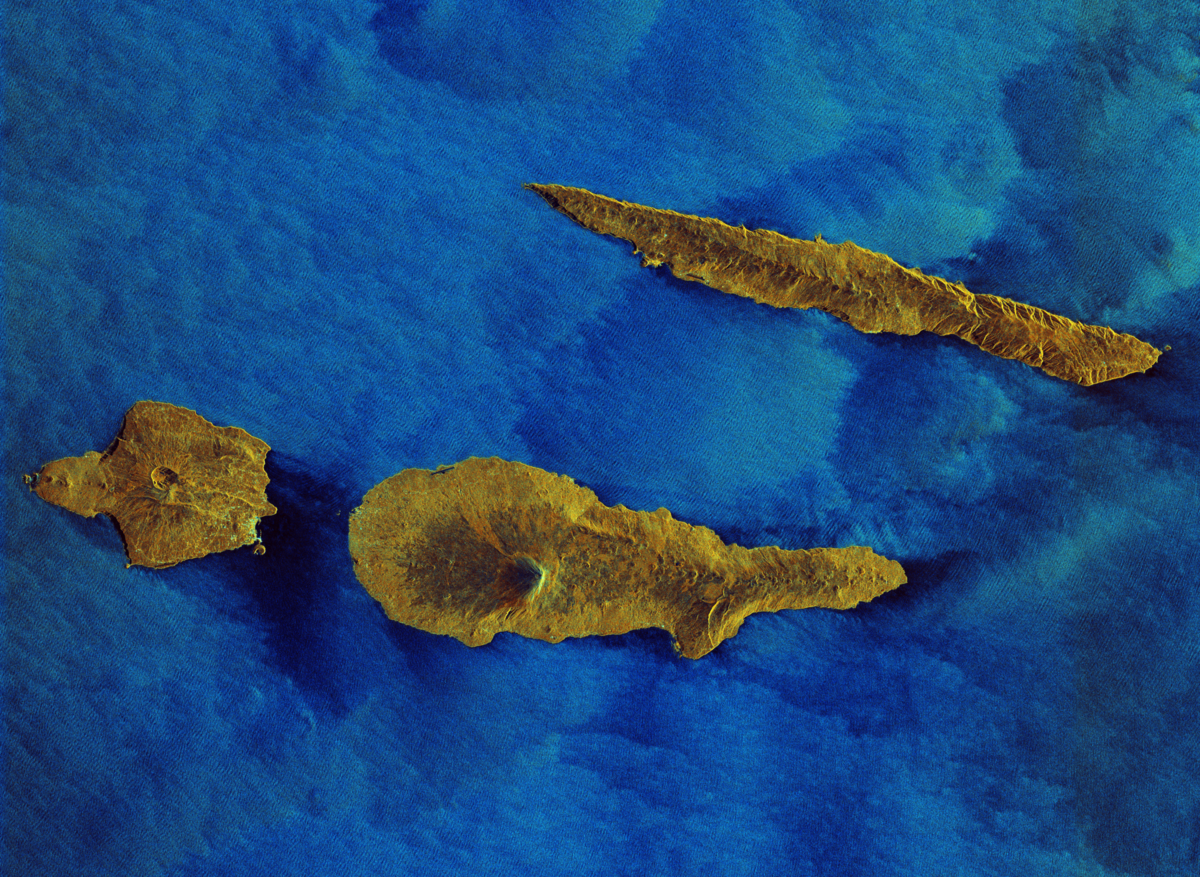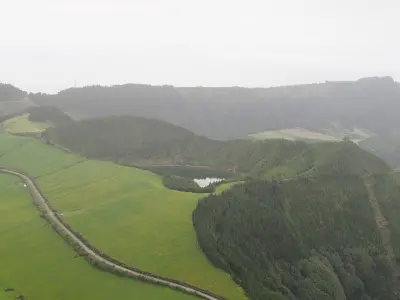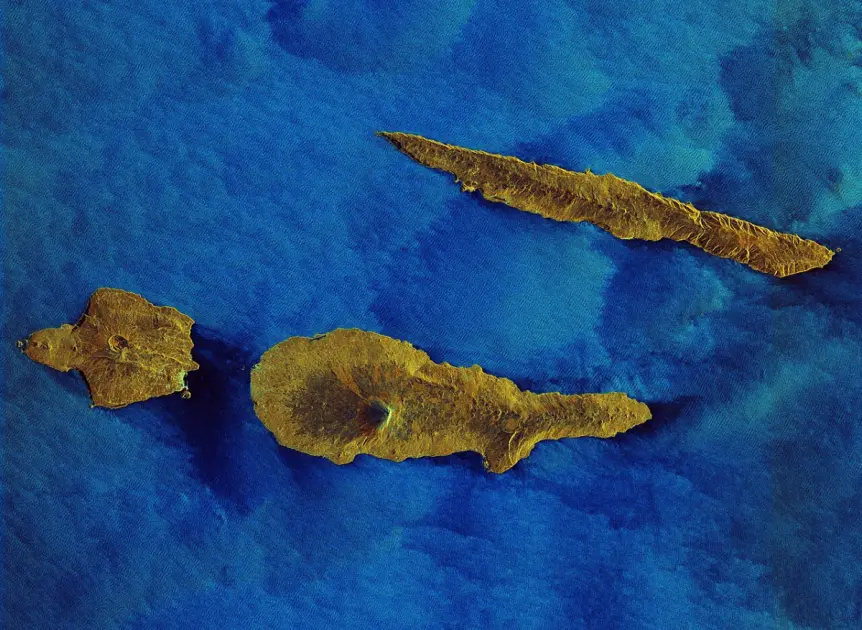
The Azores are one of the most remarkable marine wildlife destinations on the planet. Rising from the mid-Atlantic ridge roughly 1,500 km west of mainland Portugal, these nine volcanic islands sit at the crossroads of ocean currents and deep seamounts that create an ecosystem of exceptional richness. Their waters host 28 documented species of cetaceans, loggerhead sea turtles, giant devil rays and — during summer months — the world's largest fish, the whale shark. Few places on Earth concentrate such marine biodiversity within a short boat ride of shore.
Why the Azores Are a Marine Wildlife Hotspot
The Azores' extraordinary marine biodiversity stems from their unique position in the Atlantic. The archipelago sits at the convergence of the Gulf Stream and tropical currents, which funnel nutrients, plankton and pelagic species from across the ocean. Submarine volcanoes create seamounts and banks that force nutrient-rich deep water upward, sustaining food chains from microscopic plankton to the planet's largest whales. The average depth around the islands exceeds 1,000 metres, with submarine canyons plunging to 3,000 metres — yet pelagic megafauna can be found just kilometres offshore.
28 Cetacean Species: The Full Picture
The Azores are home to 28 documented cetacean species, comprising 21 odontocetes (toothed whales and dolphins) and 7 mysticetes (baleen whales). Some are year-round residents; others use the archipelago as a seasonal migration corridor.
Resident Dolphin Species
Dolphins are the most reliably encountered marine mammals in the Azores. Key resident and frequent species include:
- Common Dolphin (Delphinus delphis): The most abundant species in Azorean waters. Identifiable by its striking yellow and grey hourglass pattern on the flanks. Travels in superpods of hundreds and is seen year-round, most abundantly in autumn and winter.
- Common Bottlenose Dolphin (Tursiops truncatus): The world's most recognised dolphin. Resident family groups live permanently in Azorean waters around São Miguel, Faial and Pico. Most commonly encountered in summer.
- Risso's Dolphin (Grampus griseus): Immediately recognisable by its rounded, beakless head and body covered in white scars from social interactions. Year-round resident; larger groups in summer.
- Atlantic Spotted Dolphin (Stenella frontalis): A species of warmer Atlantic waters that frequents the Azores in summer. Highly acrobatic and often bow-rides vessels enthusiastically.
- Striped Dolphin (Stenella coeruleoalba): Distinctive side stripe pattern. Most commonly sighted in spring as groups pass through on migration.
- Rough-Toothed Dolphin (Steno bredanensis): A rarer offshore species named for its vertically ridged teeth. Occasional sightings throughout the year.
Resident and Migratory Whales
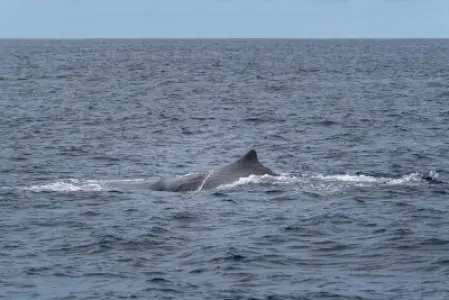
The sperm whale (Physeter macrocephalus) is the iconic year-round resident of the Azores. Growing to 18 metres and 57 tonnes, it is the largest toothed predator on Earth. For centuries these waters were the focus of Azorean whaling — a history explored in depth in our complete whale watching guide.
Spring (March–June) brings the great migratory baleen whales through Azorean waters. The blue whale (Balaenoptera musculus) — the largest animal to have ever lived on Earth, reaching 33 metres and 200 tonnes — transits the Azores on its migration from tropical breeding grounds to northern feeding areas. The fin whale (Balaenoptera physalus), the second largest animal in the world, is the most frequently encountered baleen whale in the Azores. Sei whales, humpback whales and minke whales also pass through in spring.
Notable rarer species include the orca (Orcinus orca) — the largest member of the dolphin family — long-finned pilot whales (Globicephala melas), and at least six species of beaked whales from the family Ziphiidae, including Cuvier's beaked whale and the northern bottlenose whale.
Sea Turtles in the Azores
The loggerhead sea turtle (Caretta caretta) is the most frequently encountered marine turtle in Azorean waters. These ancient reptiles use the archipelago as a resting and foraging area during their Atlantic migrations, and are regularly spotted at the surface on calm summer days. Coastal dives and snorkelling trips around Santa Maria — the southernmost and warmest island — offer the highest probability of turtle encounters. For more on this island, read our complete Santa Maria island guide.
Between June and September, water temperatures around Santa Maria reach 23–24°C and visibility can exceed 30 metres, creating ideal conditions for snorkelling with turtles. Specialist operators such as MantaMaria on Santa Maria regularly include sea turtle sightings in their coastal snorkelling itineraries. Loggerhead sightings also occur regularly during whale watching trips, as the turtles often rest at the ocean surface.
Devil Rays and Manta Rays at the Seamounts
One of the Azores' most spectacular marine wildlife events is the aggregation of devil rays (Mobula mobular) at the archipelago's seamounts. The Princess Alice Bank, approximately 20 km southwest of Faial, and the Ambrosio Bank, near Santa Maria, are cleaning stations where devil rays congregate in extraordinary numbers — sometimes hundreds or over a thousand individuals — from July through September.
These seamount pinnacles rise to just 30–80 metres below the surface, making them accessible to scuba divers. The experience of descending into a vortex of devil rays with 3-metre wingspans is consistently ranked among the most awe-inspiring dives in the Atlantic. Devil rays are completely harmless to humans and are typically curious around divers. The Princess Alice Bank also attracts large schools of amberjack, barracuda and giant trevally alongside the rays.
Whale Sharks: The Ocean's Gentle Giant
The whale shark (Rhincodon typus), the world's largest fish at up to 12 metres in length, is sighted seasonally in Azorean waters. Encounters occur primarily around Santa Maria between late July and September, coinciding with the island's peak plankton blooms which attract these filter-feeding giants. Sightings vary from year to year depending on oceanographic conditions and are not guaranteed.
GoShark Azores is the leading specialist operator for whale shark encounters in the Azores, offering free-diving and snorkelling experiences guided by qualified marine biologists. Unlike cage-based shark diving, interactions in the Azores take place entirely in open water — a truly immersive and responsible wildlife experience.
Blue Sharks and Other Pelagic Life
The Azores are a world-class destination for blue shark diving (Prionace glauca). Baited open-water dives off Pico, Faial and Terceira between July and September bring divers into close proximity with these sleek, inquisitive sharks without cages. Mako sharks and silky sharks are occasionally encountered on the same trips.
Additional pelagic highlights include the ocean sunfish (Mola mola), regularly seen basking at the surface in summer, schools of bluefin tuna, wahoo, triggerfish and moray eels on coastal reefs. Dive visibility in summer ranges from 15 to 40 metres, with water temperatures between 22–24°C. Our diving and snorkelling guide covers the best underwater sites in detail.
Best Seasons for Marine Wildlife
The Azores offer marine wildlife experiences year-round, with leading operators reporting cetacean sighting rates of 95–98% on every trip. However, different seasons offer distinct opportunities:
- Spring (March–June): Prime season for large migratory whales — blue, fin, sei, humpback and minke. Sperm whales are highly active. Striped dolphins and pilot whale groups pass through. Fewer tourists and lower prices.
- Summer (June–September): Peak season for diving. Warmest water (22–24°C), visibility up to 40 metres. Devil rays at seamounts, blue sharks, seasonal whale sharks (Santa Maria), sea turtles and large dolphin pods with calves.
- Autumn (September–November): Excellent for cetaceans. Common dolphin superpods reach their largest sizes. Sperm whales remain active. Sea conditions begin to change.
- Winter (December–February): Resident species (sperm whale, bottlenose dolphin, Risso's dolphin, common dolphin) remain present. Rougher seas but fewer tourists and atmospheric experiences for dedicated wildlife enthusiasts.
Best Islands and Tour Operators
São Miguel — Main Hub
Futurismo Azores Adventures, based in Ponta Delgada, is one of the Azores' most established operators with over 30 years of experience, a 98% whale watching success rate, and a scientific database of more than 21,000 sighting records from collaborations with 20+ universities. Tours depart daily from Ponta Delgada and Rabo de Peixe, starting from €70.
Pico and Faial — Sperm Whale Capital
The channel between Pico and Faial is widely regarded as one of the world's best sperm whale watching locations. Terra Azul, based in Vila Franca do Campo, and operators departing from Horta Marina (Faial) run daily cetacean tours. Faial is also the departure point for dives to Princess Alice Bank for devil ray aggregations.
Santa Maria — Pelagic Megafauna Specialist
Santa Maria is the epicentre of whale shark and devil ray (Ambrosio Bank) sightings. MantaMaria and GoShark Azores are specialist operators offering marine biologist-led snorkelling and freediving with pelagic megafauna.
Marine Conservation in the Azores
The Azores are recognised by the European Union as one of Europe's most responsible ecotourism destinations. Strict regulations govern cetacean watching: minimum distances of 50 metres for whales and 30 metres for dolphins, no feeding or touching animals, and a maximum number of vessels around any individual animal. Most operators work with marine biologists on board who contribute to ongoing scientific monitoring programmes. For the broader sustainability context, read our article on the Azores as Europe's most sustainable destination.
Biosphere Expeditions runs volunteer science expeditions in the Azores in March and April, enabling visitors to actively participate in cetacean data collection — an ideal programme for marine biology enthusiasts or anyone wishing to go beyond passive observation.
Practical Tips
- Book ahead: In high season (June–September) tours fill weeks in advance. Book at least 2–3 weeks early for popular operators.
- Dress in layers: Even in summer, Atlantic sea breezes can be cool. Bring a windproof layer on the boat.
- Motion sickness: If prone, take preventative medication 1 hour before departure. Catamarans offer greater stability than rigid inflatable boats.
- Photography: A 300mm+ telephoto lens is recommended for whale photography. Use biodegradable sunscreen to protect marine ecosystems.
- Snorkelling vs. diving: For whale sharks and devil rays, most operators offer both options. Snorkelling is accessible to non-divers; freediving allows deeper approaches.
Frequently Asked Questions
How many dolphin species live in the Azores?
At least six dolphin species are regularly encountered in Azorean waters: common dolphin, bottlenose dolphin, Risso's dolphin, Atlantic spotted dolphin, striped dolphin and rough-toothed dolphin. Rarer species such as orca and false killer whale are also occasionally sighted, part of the 28 total cetacean species documented in the archipelago.
When is the best time to see whale sharks in the Azores?
Whale shark sightings in the Azores occur primarily around Santa Maria between late July and September. Sightings are seasonal and depend on annual oceanographic conditions. GoShark Azores is the leading specialist operator for these encounters.
Can you swim with dolphins in the Azores?
Yes. Several operators offer snorkelling and swimming with dolphins in completely wild conditions. Resident bottlenose dolphins are known to voluntarily interact with swimmers. This experience is entirely different from dolphinariums — the animals are free and interactions are always on their terms. Certified operators follow strict non-disturbance protocols.
Where are the best places to see devil rays in the Azores?
The largest devil ray aggregations occur at Princess Alice Bank (near Faial) and Ambrosio Bank (near Santa Maria) between July and September. Aggregations can reach hundreds or even thousands of individuals. Diving these seamounts — accessible at 30–80 metres — is considered one of the most spectacular diving experiences in the Atlantic Ocean.
Are the Azores good for snorkelling with large marine life?
Absolutely. Santa Maria in particular offers excellent snorkelling with sea turtles, rays and — in season — whale sharks. Summer visibility can reach 40 metres and water temperatures average 23–24°C. Operators like MantaMaria organise both coastal and pelagic snorkelling trips designed for non-divers.
Conclusion
The Azores represent one of the world's most complete marine wildlife experiences. The combination of 28 cetacean species, loggerhead turtles, massive devil ray aggregations, seasonal whale sharks and blue sharks — all within a short boat ride of shore — is unmatched in the Atlantic. Whether you join a whale watching trip from Ponta Delgada, dive Princess Alice Bank for manta rays, or snorkel with whale sharks off Santa Maria, the Azores will deliver memories that last a lifetime. To plan your trip further, explore our family activities guide and the top hiking trails to complement your marine adventures on land.