Santa Maria is the southernmost island of the Azores and, geologically, the oldest. It is also the one that visitors describe as sunny and sandy, a small island where three days make a proper itinerary instead of a sprint: a historic town, golden beaches, a red desert, an old quarry, bays with vine-covered slopes and a handful of viewpoints.
This plan is built from published itineraries by travel writers and a tourism operator, compared against each other. Where details such as opening hours, festival dates or trail conditions matter, we tell you what to check and where, instead of guessing. For the bigger picture of the island, read our complete guide to Santa Maria.
Overview: why three days work
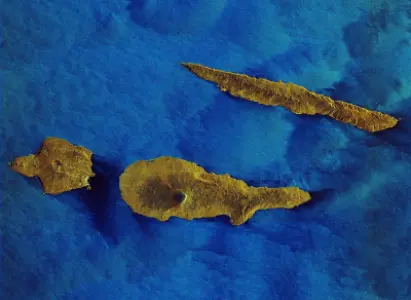
Santa Maria is described as the oldest island of the archipelago, about six million years old, and as the first one officially discovered, in 1427. Together with São Miguel it forms the eastern group. Its nickname, the "Algarve of the Azores", comes from its sandy beaches and a mild, steady climate: one detailed travel guide quotes temperatures between 15 and 25 °C through the year. The same guide gives the population as about 5,400 (2021), so expect quiet roads and a village pace.
The itinerary below is organised by area so that you do not drive the same stretch twice. Day 1 covers Vila do Porto and the beach, day 2 the north coast and the area around Santa Bárbara, day 3 the east and the viewpoints. The order is flexible: if the weather turns, swap the beach day with a museum-and-village day. You will find the island's map and practical information on the Santa Maria island page, and the full beach list in our beaches section.
One thing to taste while you are here is the meloa mariense, the melon that one guide calls the symbol of the island. It is a seasonal fruit, so ask locally whether it is available when you visit.
Getting there and getting around
The sources we consulted say that direct flights from Lisbon are operated by SATA, and that otherwise you fly to São Miguel and connect to Santa Maria. Schedules change by season, so check them with the airline before booking anything else. Our guide to public transport and inter-island flights explains the options.
On the island there is a local bus operated by TSM (Transportes de Santa Maria), which one traveller used from the airport to Vila do Porto. For this itinerary, however, two of the sources recommend a rental car, and we agree: the sights are spread along the coast and in small villages. Read our Azores car rental guide for driving tips, and book early in busy months because the island is small and the fleet limited.
Vila do Porto, the main town, is a practical base, and one guide suggests staying in front of the sea in the São Lourenço area if you prefer a quieter setting. Accommodation on the island is limited, so reserve early, especially in July and August. We do not quote prices, because they change constantly; compare current rates on the booking platforms.
Day 1: Vila do Porto and Praia Formosa
Vila do Porto
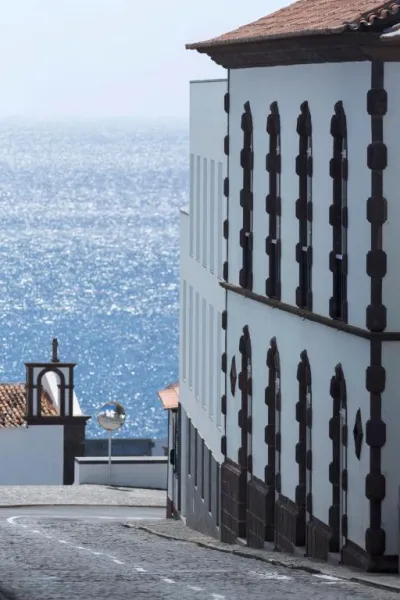
Start in the island's main town. The Forte de São Brás, a fortification dating from the 16th century according to a tourism itinerary, gives a glimpse of the island's maritime history, and a travel writer chose it for sunset. The Igreja de Nossa Senhora da Assunção is described as a fine example of 15th-century architecture, and the facade of the Convento de São Francisco is another stop for photographers. Opening hours of churches and museums vary, so ask at the tourist office or on the spot.
Praia Formosa
Spend the afternoon on Praia Formosa, known for golden sand and clear water. It is also the setting of the Festival Maré de Agosto, a music festival; dates change every year, so check the festival's official channels before planning around it. Santa Maria also hosts an international blues festival, Santa Maria Blues, again with dates to confirm. Outside the summer, the sea is less inviting, as one writer noted in winter. Whatever the season, look at the sea conditions and follow local advice before swimming.
Dinner in town
A tourism itinerary highlights seafood and fresh fish, such as grilled limpets and espada. We do not recommend a specific restaurant because we could not verify current opening days, so ask your host or the tourist office for the places that are open in your week, and book ahead in high season.
Day 2: Anjos, the red desert and São Lourenço
Day 2 is the longest drive, along the north coast and towards the Santa Bárbara area. Leave early, bring water and sun protection, and keep the swimsuit for the last stop.
Anjos
Anjos is a village on the north of the island. At the entrance, next to the Ermida de Nossa Senhora dos Anjos, stands a statue of Christopher Columbus, because tradition says he had a mass celebrated here after returning from America. The bay is quiet, with a seafront where locals fish. A tourism itinerary also suggests the Miradouro dos Anjos for sunset views.
Barreiro da Faneca, the red desert
The Barreiro da Faneca is one of the strangest landscapes of the island and perhaps of the whole archipelago: a semi-desert in yellow and red tones surrounded by vegetation, now classified as a Protected Landscape Area. The information panel at the entrance explains that it belongs mainly to the Formação das Feteiras, the most recent volcanism on Santa Maria, essentially explosive, whose pyroclasts were later altered into red clays, probably in a warm and humid climate. On the way you pass the Ermida de Nossa Senhora do Pilar. One traveller drove across, following existing tyre tracks; since this is a protected area, we suggest parking and walking.
Poço da Pedreira and Santa Bárbara
The Poço da Pedreira is an old quarry from which dressed stone was cut by hand for the island's traditional houses, especially in Santa Bárbara. At the foot of the straight vertical wall left by the quarrying, a pond formed: the "poço". In the Santa Bárbara area you can also see the typical houses of Santa Maria, single-storey buildings whose architectural roots lie in the traditional houses of the Alentejo and the Algarve, the regions the first settlers came from.
Baía de São Lourenço
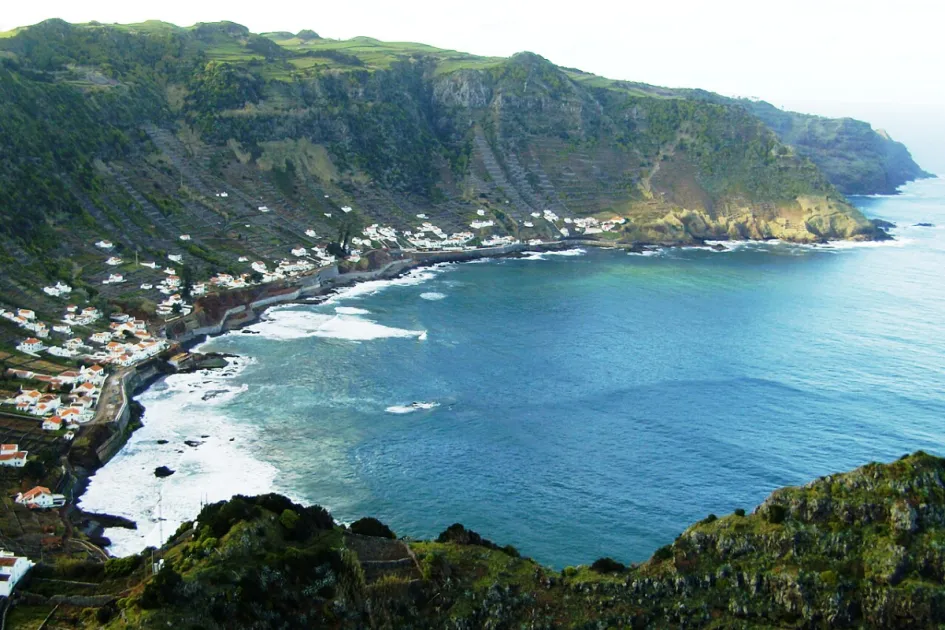
End the day at the Baía de São Lourenço, a picturesque bay with hillsides covered in vineyards and a striking coastline, suited to a quiet walk or a swim when the sea is calm. One travel guide names it the author's favourite beach and viewpoint on the island. If you are collecting views, our list of Azores viewpoints will help you plan more stops.
Day 3: the east, viewpoints and one afternoon activity
Day 3 is more relaxed: villages, craft and viewpoints in the morning, then one longer activity in the afternoon. Check opening hours locally, as they change by season.
Maia and Santo Espírito
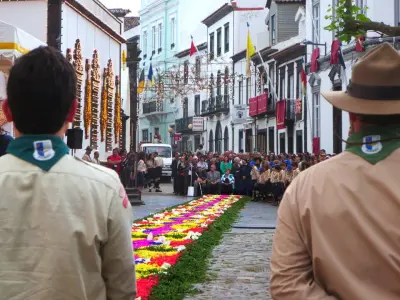
Lugar da Maia is a stop in one travel blog's route, and Santo Espírito is described by a tourism itinerary as a village with rich folklore traditions and craft shops, where you can find handmade embroidery. The Cooperativa de Artesanato Santa Maria and the Museu de Santa Maria are mentioned in other guides; confirm their opening hours before you drive there.
Miradouro dos Picos and Pico Alto
Two viewpoints close the morning: the Miradouro dos Picos and Pico Alto, both part of a three-day route published by a travel blogger. Choose a clear day for them and keep the camera ready. Visibility on small islands can change in minutes.
Choose one afternoon activity
Walking: the Trilho da Costa Sul is a trail that one writer recommends doing in the afternoon, because the orientation of the coast gives better light for photographs. We have no verified length or difficulty, so check the official trail page on visitazores.com and see our overview of Azores trails before you go.
Fossils: the Centro de Interpretação Ambiental Dalberto Pombo, also called the Casa dos Fósseis, is listed in the same blog. One guide notes that Santa Maria hides fossils that tell stories millions of years old; check opening hours.
Sea: a tourism itinerary suggests watching whales and dolphins, naming sperm whales and bottlenose dolphins. Season and availability depend on licensed operators, so see our guide to choosing an island for whale watching. Divers can read about diving with whale sharks, which includes Santa Maria.
When to go
One detailed guide recommends May to October, avoiding July and August when it is busiest, with June and September as the best compromise. Even so, Santa Maria is not among the most visited islands; the real constraint is the limited accommodation, so book early.
From November to March the island is quieter and the sea less inviting, but the sights in this itinerary do not depend on swimming. Read our guide to the Azores in winter and the monthly weather guide to set expectations. Festival dates, including Maré de Agosto and Santa Maria Blues, change every year, so check them on the organisers' pages.
FAQ
Are three days enough for Santa Maria?
Three days cover the main sights at a relaxed pace. One detailed guide gives two days as the minimum and five as ideal, so add days if you want more beach time, diving or trails.
Do I need a rental car on Santa Maria?
Two of the sources recommend one, because the sights are spread across the island. A local bus run by TSM exists, but check current routes and timetables with the operator before relying on it.
What is the best time to visit Santa Maria?
One guide recommends May to October, with June and September as the best months. July and August are the busiest, so reserve accommodation well in advance.
Where should I stay on Santa Maria?
Vila do Porto is the main town and a practical base. If you prefer the sea, there are places to stay near the Baía de São Lourenço. Supply is limited, so book early.
Can I drive across the Barreiro da Faneca?
It is classified as a Protected Landscape Area, so we recommend leaving the car at the entrance and walking. Ask locally about current access rules.
Final thoughts
Santa Maria rewards slow travel: a fortified town, golden sand, a red desert you can walk across, an old quarry with a pond and a bay with vineyards on its hillsides all fit into three days. Because we built this plan from secondary sources, confirm opening hours, festival dates, bus timetables and trail details with the official channels, starting with Visit Azores, before you set off.
If you are combining islands, our Santa Maria complete guide is a good companion to this itinerary.