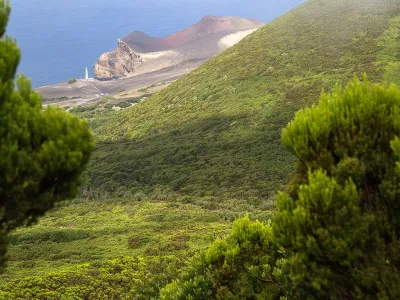
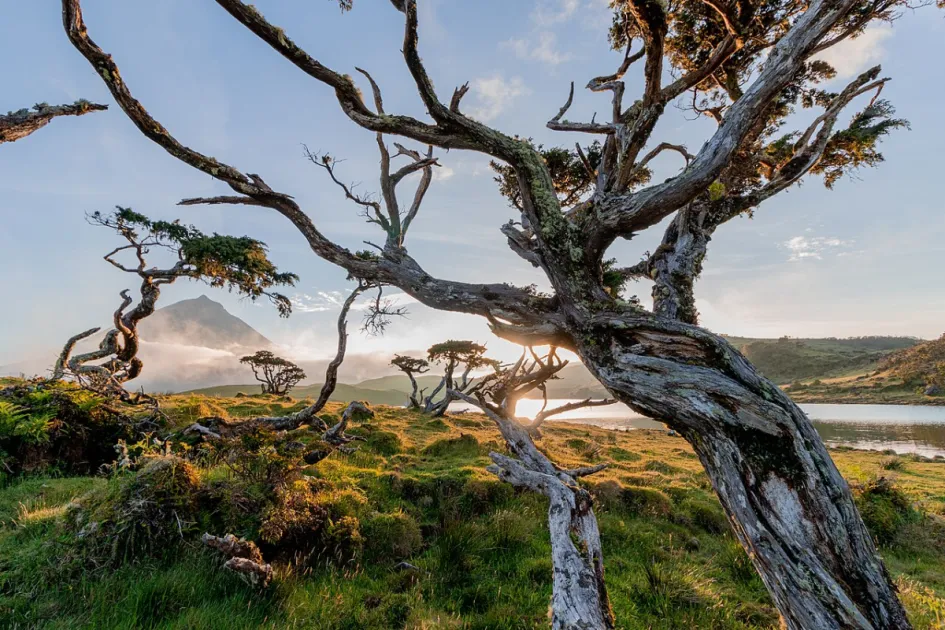
Pico is the island everyone photographs from Faial and then, sooner or later, crosses the channel to visit. Three days is a sensible amount of time to get to know it properly. This itinerary follows a simple rhythm: one day for landscape and culture, one anchor day for the mountain or the sea, and one lighter day along the coast.
Everything below is flexible on purpose. Boat and mountain days depend on the weather, so we tell you what to confirm and with whom instead of quoting schedules and prices that change. Where numbers appear, they come from official or well-documented sources.
Pico at a glance
Pico is the second-largest island in the Azores, yet it has fewer than 15,000 inhabitants. It stretches about 40 km from Madalena in the north-west to Ponta da Ilha in the south-east, is about 15 km across at its widest, and is divided into three municipalities: Madalena, São Roque do Pico and Lajes do Pico. Faial lies only 8 km away across the channel.
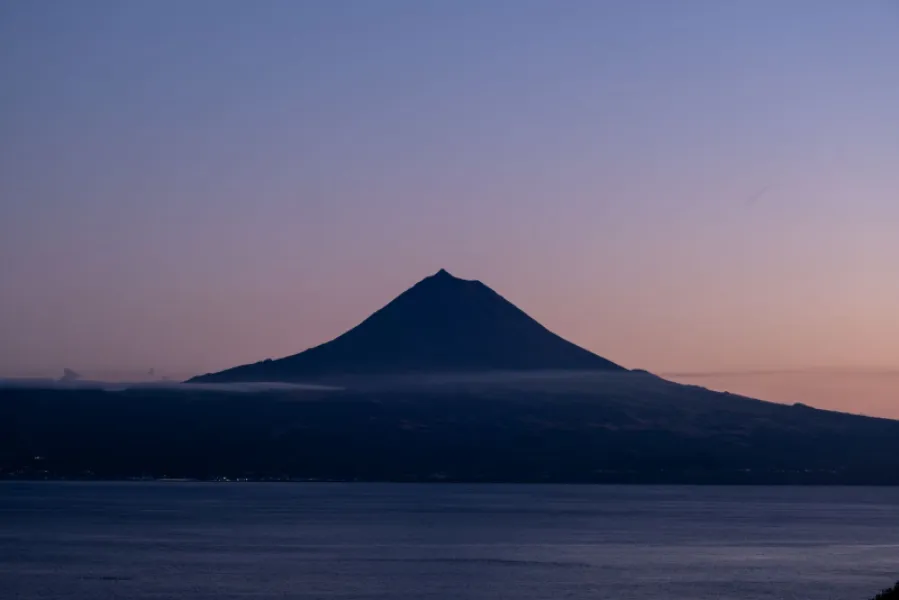
The north-western half is dominated by Montanha do Pico, whose summit cone, the Piquinho, reaches 2,351 m and is the highest point in Portugal. The rest of the island is a long volcanic ridge, black lava fields and a coast where people turned stone into vineyards. If you want the big picture first, read our guide Pico Island: UNESCO vineyards, wine and volcano and the Pico island page.
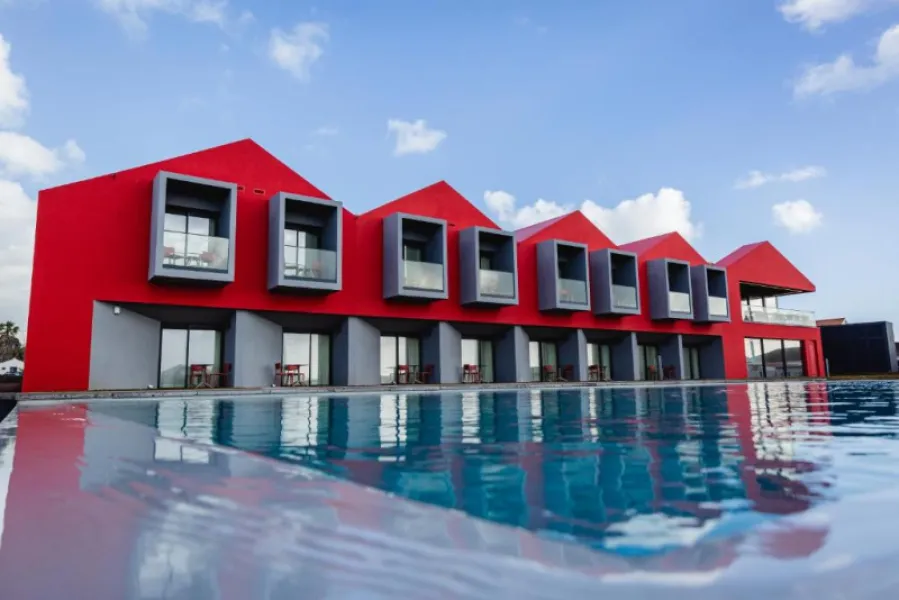
Where to stay: one base
For three days a single base is usually more efficient than moving between hotels. Madalena keeps crossings and daily trips simple; a northern base such as Prainha de Baixo suits you if you want calm and natural bathing nearby. Decide this before you plan the details.
Browse our accommodation listings and check cancellation terms, because a weather-dependent plan sometimes has to slide by a day. The island is about 40 km from end to end, so rather than trusting a rule of thumb, work out driving times in your own map app.
Day 1: UNESCO vineyards and geology
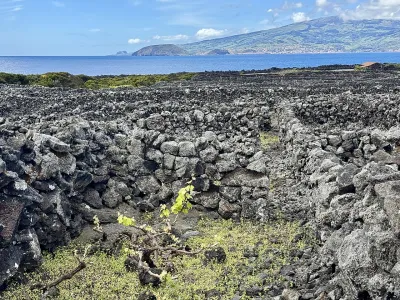
Start with the landscape that explains the island. The Pico Island Vineyard Culture Landscape has been a UNESCO World Heritage Site since 2004. The vines grow inside rectangular basalt-stone walls called currais, built to shelter the plants from wind and sea spray, and the heritage area is concentrated in two lajidos: Criação Velha and Santa Luzia. The work in the vineyards is done by hand. Our guide to Azores wines explains the grapes and denominations before you taste.
Pair it with the Gruta das Torres. Visit Azores describes it as the longest lava tube in Portugal, at 5,150 m, and the guided visit covers only part of that system. Pico has the largest number of known volcanic cavities in the Azores: 129 out of about 270. Confirm opening days, tour times and booking through the cave's official channels or the tourist office, as we do not quote schedules.
Finish the day with sunset on the coast and an unhurried dinner. The goal of day one is rhythm and context, not a checklist. Our viewpoints page helps you choose where to watch the light fall over the sea and the mountain.
Day 2: the mountain or the sea
Day two is your anchor day: either the mountain or the sea. Decide the evening before with the forecast in front of you, and keep the other option as your fallback. Do not book both for the same day.
Option A: climbing Montanha do Pico
Montanha do Pico is a basalt stratovolcano and a demanding hike with steep slopes, not something to take lightly. The trail starts at the Casa da Montanha, at 1,230 m, reached by the road across the central plateau. The climb requires a reservation and permission, even for independent hikers without a guide, along with good fitness, proper equipment and preferably good weather. Our practical guide to climbing Montanha do Pico covers the route and preparation. Book through the official site, montanhapico.azores.gov.pt, and look for a local guide if you lack mountain experience.
Option B: whale watching
If the mountain is not for you, or the summit is in cloud, head out to sea. Azorean waters are home to more than 20 species of cetaceans, which makes them one of the largest whale sanctuaries in the world. Lajes do Pico is a historic base for whale watching. Read whale watching in the Azores for the wider picture, and confirm departure times and sea conditions directly with the operator.
Whaling shaped Pico until sperm whale hunting was banned in 1986. The Vigia da Queimada, a lookout built in 1939, was restored and since 1991 has guided tourist boats by radio. The whalers' museum in Lajes do Pico and the whaling-industry museum in São Roque are worth an afternoon; check the opening hours of each.
Day 3: plateau, coast and villages
Day three is a light driving day. If you have not yet crossed the central plateau, take the Longitudinal, Estrada Regional no. 3: it is 23 km long, with a straight of about 9 km lined with hydrangeas and, often, cows on the road. It gives access to several lagoons, among them the Lagoa do Capitão, a postcard view of the island.
Then head down to the coast. In the north, the Prainha area has natural bathing spots, and the Visit Azores description names Poça Branca as one of the nearby swimming areas. Conditions at natural pools change with the sea state, so check before you get in and never swim in rough water. Our trails section has shorter walks if you want to stretch your legs.
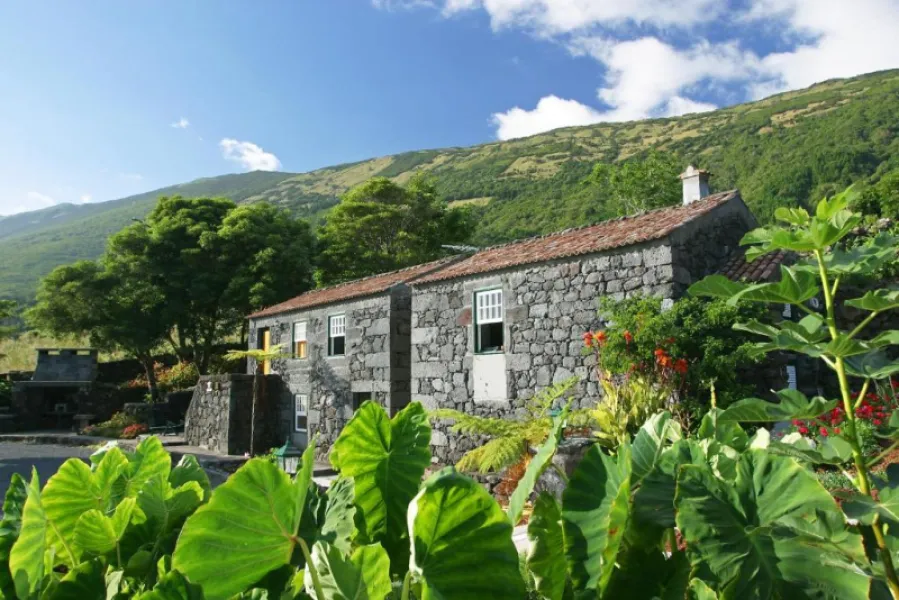
Leave time for the villages. The Festas do Senhor Espírito Santo are held in 45 impérios, small buildings with a distinctive architecture, and you will pass them along the way. Stop wherever you like: the picarotos, as the islanders call themselves, are in no hurry, and you do not need to be either.
Plan B and what to confirm
Operators and ferry companies warn that schedules can change for operational or weather reasons; Atlânticoline says so explicitly. Build a plan B for your most sensitive day, swap days around if needed, and avoid tight connections on your last day.
Before you go, confirm: the mountain permission; cave tour times; whale-watching departures; museum opening hours; ferry or flight timetables. The official sources are Visit Azores (visitazores.com) and each operator's own website.
FAQ
Are three days enough for Pico?
They are enough for the essentials if you pick one anchor experience, mountain or sea. A fourth day gives you a buffer for bad weather.
Do I need to book to climb Montanha do Pico?
Yes. The climb requires a reservation and permission, even without a guide. Apply through the official site, montanhapico.azores.gov.pt.
When were the Pico vineyards listed by UNESCO?
The Pico Island Vineyard Culture Landscape has been a World Heritage Site since 2004.
What if the weather is bad on my anchor day?
Swap it with day 3, or do a day of vineyards, cave and museums, which depends less on the weather. Check the forecast the evening before.
Final thoughts
Three days are enough for the essentials of Pico: the vineyards, the lava tube, one anchor experience and the coast. The secret is to choose fewer things and give them time. If you can, add a spare day for bad weather; the island rewards those who are not in a hurry.