How to Climb Montanha do Pico (2,351 m): Practical Guide
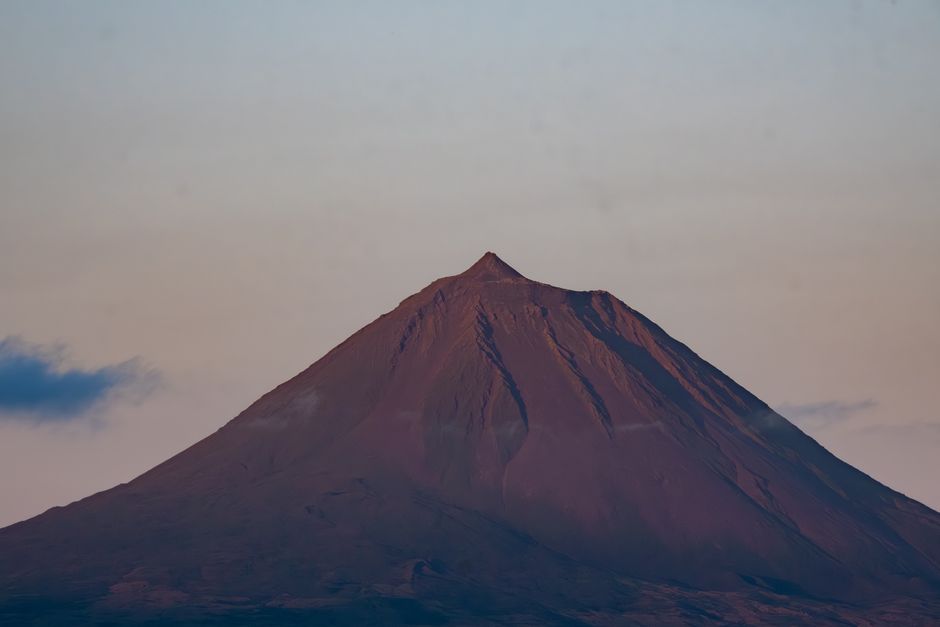
Montanha do Pico is the highest point in Portugal at 2,351 metres, a steep volcanic cone that rises straight out of the Atlantic and dominates the skyline of the central Azores. Climbing it is one of the best-known outdoor challenges in the archipelago, but it is not a casual stroll. The mountain is a protected natural reserve with its own access rules, the weather can change within minutes, and the upper section has no conventional path. This practical guide explains how the climb works, what to organise in advance, how fit you need to be and what to do if conditions are not right. Rules and fees change, so treat everything below as orientation and confirm the details with the official sources before you travel.
The Climb at a Glance
The standard route starts at the mountain house, known as Casa da Montanha, at roughly 1,200 metres of altitude on the island of Pico. From there the trail climbs about 1,200 metres over a round trip that is commonly described as around 8 km. Most people need between six and nine hours for the full return, depending on fitness, conditions and the time spent at the top. The route is marked by a series of numbered posts that lead you up across rough, black lava. Higher up, you reach the crater rim at about 2,200 metres, and from there a short, steep scramble leads to the Piquinho, the small secondary cone that forms the true summit.
- Summit height: 2,351 m, the highest point in Portugal
- Elevation gain: roughly 1,200 m from the starting point
- Typical time: six to nine hours return
- Type: there and back on the same route, with no shelter on the way
- Terrain: loose lava, uneven steps and a final scramble over rock
The numbers above are approximate, and individual accounts differ slightly, so do not plan around them to the minute. What matters is that this is a full day of sustained effort at altitude with exposure to the weather. If you want background on the island itself, our guide to Pico Island, its vineyards and its volcano covers the wider context.
Registration and Access Rules
Access to the mountain is regulated. The summit area belongs to a natural reserve, and the climb is governed by an access regulation approved by the regional authorities. In practice, this means three things you should know before you arrive.
- You must register. Every climber has to be registered before starting, and rangers can check registrations at the beginning of the trail. Turning up without a confirmed registration is not a safe plan, because you may simply be refused access.
- Numbers are limited. The reserve controls how many people can be on the mountain. Several sources mention daily and simultaneous limits, but the exact figures vary between publications, so check the current official numbers instead of relying on a blog. In July and August, places can run out well ahead of time, so book as early as possible.
- A fee applies. Climbing requires paying a registration fee, and the amount depends on how far you go (for instance, the crater only or the Piquinho as well). Residents of the Azores may be treated differently. Check the current price list before you travel.
Two further rules matter a great deal. First, the authorities can close access for safety reasons, for example after a civil protection warning or when the forecast is poor, so your plan needs a spare day. Second, a certified guide can be mandatory when weather or visibility is bad. Climbing alone is generally allowed when conditions are acceptable, but a local guide is a sensible choice for first-timers, for navigation in cloud and for any night ascent.Overnight stays in the crater need their own separate reservation and are not part of the standard day ticket.
The official sources are the regional nature parks website, the Pico mountain site run by the Azores government and the national online reservation platform for protected areas. Always confirm the booking process and the fee there, because procedures are updated from time to time.
The GPS Tracker
One feature that surprises many visitors is the tracking device. According to the information published by the mountain house, each climber is given a tracking unit when registering. It allows the rescue services to see where you are if the weather closes in or something goes wrong. This is a safety measure, not a gadget, and it is part of the reason the system works.
Some practical points follow from this. You collect the device at the mountain house before you start and hand it back when you finish. If you lose or damage it, you may be charged, and an optional liability waiver may be offered when you pick it up. Exact amounts, opening hours and conditions can change, so ask or check the official page first.
Fitness and Difficulty
Pico is short in distance but hard in effort. Over a few kilometres you climb more than a kilometre in height, and the descent is often harder than the ascent because the lava is uneven and loose. Tired knees and ankles are the most common complaint. A reasonable level of fitness is needed, and regular hill walking beforehand makes a real difference.
- You should be comfortable walking for six to nine hours with a day pack.
- Good boots with ankle support and solid grip are far better than trainers.
- Walking poles help on the descent for many people.
- The air is thinner at the top, and some climbers feel tired or slightly dizzy at 2,000 metres or more.
The route is not technical in the mountaineering sense, but the last part requires using your hands on rock. People with a fear of heights, knee problems or no walking experience should think carefully, and children should only go if they are experienced and the family accepts the official age and safety guidance. For other well-known routes to compare difficulty, see our list of the best Azores hiking trails.
Weather and Best Season
The weather decides everything on Pico. The summit often sits inside cloud, even when the coast is sunny, and wind, rain and low visibility can arrive quickly. On the upper slopes, there is no clear path, so poor visibility is a real navigation problem as well as a comfort issue. Always check the forecast for the mountain itself and not only for the nearest town, and ask the mountain house about current conditions on the morning of your climb.
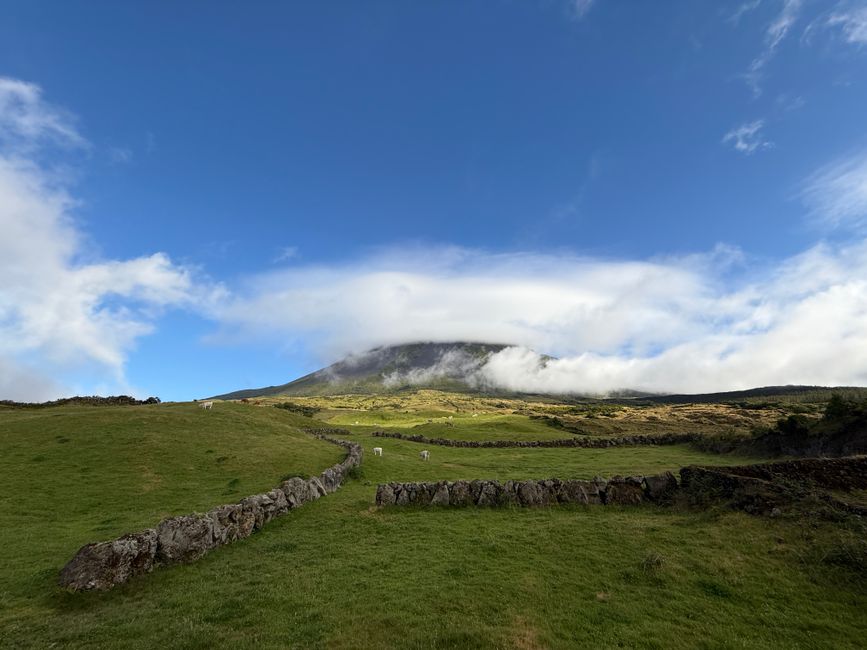
The warmer months, roughly from late spring to early autumn, offer the best odds, with July to September most often recommended. The shoulder months can be good but are more variable. In winter the mountain can bring ice, strong wind and very poor visibility, and it is better suited to experienced mountaineers with the right equipment. Even in August, temperatures at the summit are much cooler than at sea level, so bring layers. For a month-by-month picture of the archipelago, read our Azores weather guide.
The Sunrise Option
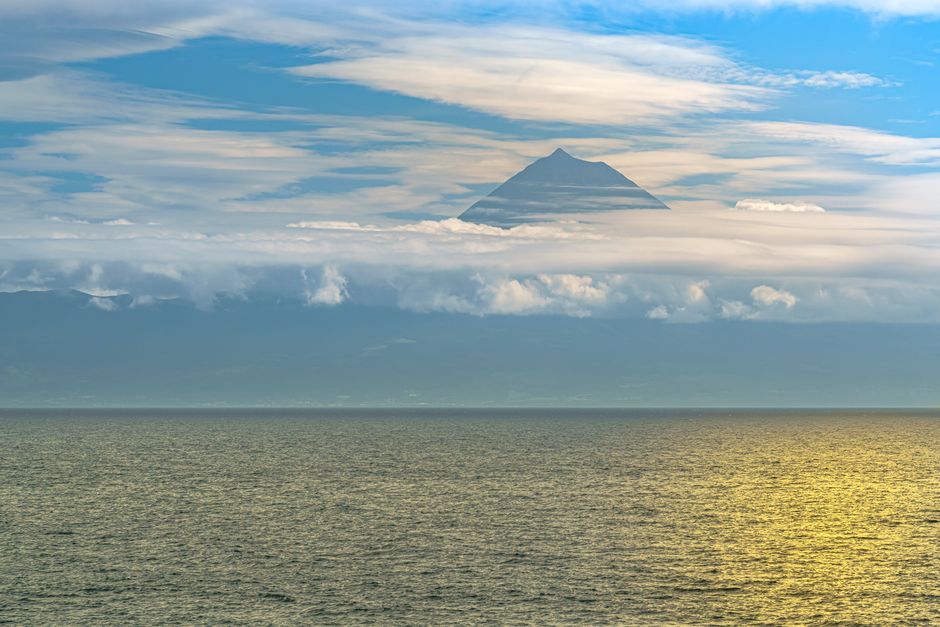
Many people want to watch the sun come up from the top. This means starting in the middle of the night, climbing with a headlamp and reaching the crater rim before first light. On a clear morning the view across the sea to neighbouring islands is spectacular, and the cone casts a famous shadow over the water. However, the night ascent is more demanding. You cannot see the markers as easily, the temperature is lower, and the rocks are harder to read.
- A good headlamp and spare batteries are essential.
- A local guide is strongly recommended, and may be required depending on conditions.
- Warm clothing, gloves and a windproof layer are needed, because waiting at the top before sunrise is cold.
- Sunrise times change through the year, so work backwards from the time published for your date.
Alternatives if You Cannot Climb
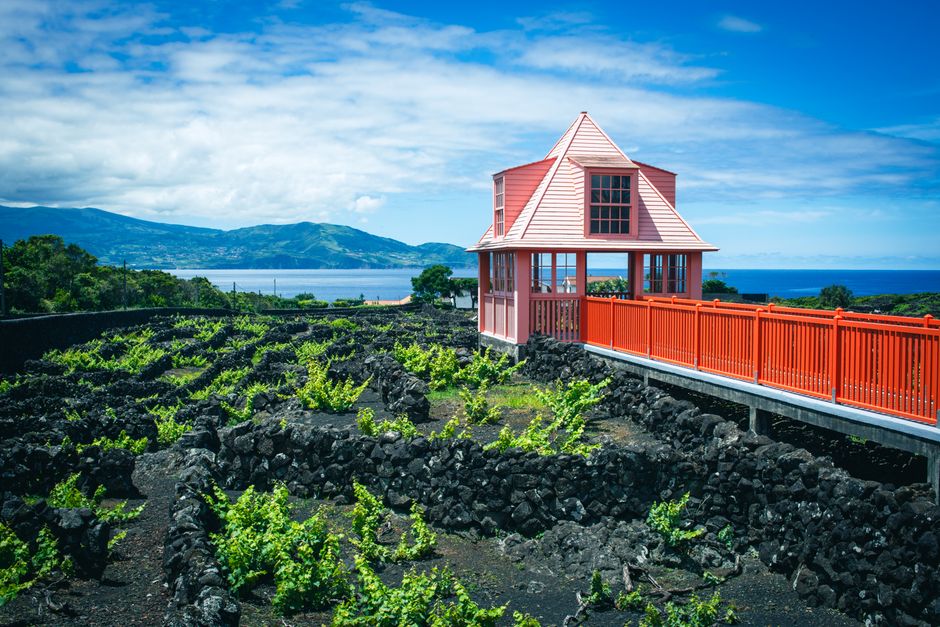
If the mountain is closed, booked out or simply too much for your group, there are good options. On Pico itself you can explore the UNESCO-listed vineyard landscape, visit lava formations and enjoy the coast. Pico is also a popular base for sea excursions; see our guide to whale watching in the Azores. For a summit-style walk with less commitment, consider the hike around the Caldeira on Faial, described in our Faial guide, which offers views of Pico across the channel. The hike to Pico da Esperança on São Jorge is another well-known ridge walk.
Frequently Asked Questions
Do I need a guide to climb Pico?
Not always. Climbing alone is generally allowed in acceptable conditions, but a certified guide can be mandatory when weather or visibility is poor. Check the current rules.
Can I just turn up and climb?
This is not advisable. Registration is required, numbers are limited and rangers can check at the start. Book ahead, especially in summer.
How long does it take?
Most people need between six and nine hours for the return trip, plus time at the top.
Is the GPS tracker compulsory?
According to the official information from the mountain house, climbers are given a tracking device. Confirm the details and any charges when you register.
When is the best time to climb?
Summer and early autumn usually offer the best chance of clear weather, but conditions are never guaranteed. Keep a spare day.
Can I do it for sunrise?
Yes, with a night start, a good headlamp and preferably a guide. It is colder and harder to navigate than a daytime climb.
Final Thoughts
Climbing Montanha do Pico is a rewarding day if you prepare properly. Register early, collect and return the tracking device, respect the closures, carry the right clothing and give yourself a spare day for the weather. If conditions say no, accept it, because the mountain will still be there tomorrow. Remember that rules, fees and procedures can change, so always check the official sources before travelling.