The Best Tours in the Azores: How to Choose and Book 4x4, Walking, Boat and Canyoning Experiences
In the Azores the landscape is the attraction, and the weather, terrain and sea decide what is possible on any given day. That is why a good tour can transform a trip: a local guide knows which crater is clear of cloud this morning, which road is open and where the wildlife is. This guide is not a list of companies. It explains the main types of organised activity, what each is good for, what is normally included, when to book and what to check before paying. Conditions, rules and operators change, so confirm details locally before you travel.
The Main Types of Tours
Most organised experiences fall into four families. Vehicle tours (4x4s and minivans) cover a lot of ground and suit travellers without a car. Guided walks give you depth, with someone who reads the landscape, flora and weather. Boat tours take you onto the Atlantic, from relaxed cruises to wildlife trips. Adventure activities, canyoning being the best known, need the most preparation. As a rule of thumb: vehicle for breadth, walk for depth, boat for the ocean, adventure for what you could not do alone. Many visitors mix two or three types over a week.
4x4 and Van Tours
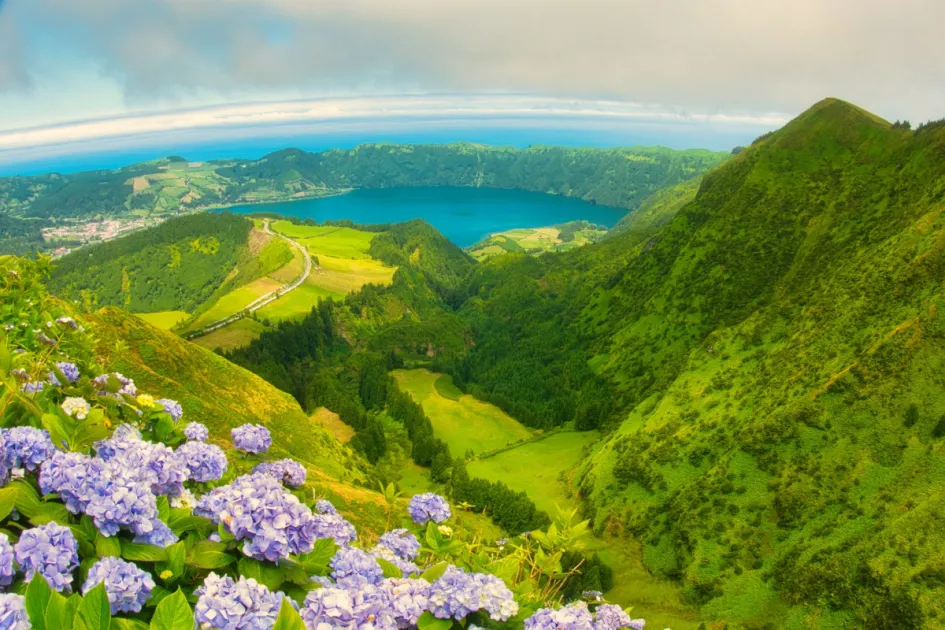
On São Miguel especially, full-day 4x4 and minivan tours are a staple. Typical routes link the twin lakes of Sete Cidades and their viewpoints, the Furnas valley with its fumaroles, the north coast and often a tea plantation or thermal stop. A guide drives, you look, and you get context a map does not give.
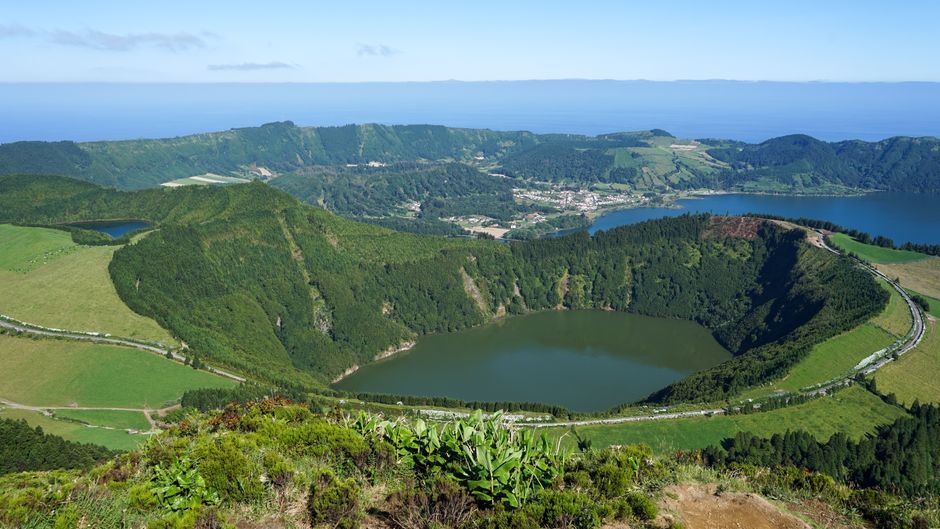
Vans are comfortable on paved roads; 4x4s can reach forest tracks, but many "jeep tours" stay mostly on regular roads, so read the itinerary rather than the vehicle name. Ask whether it is a whole-island loop, a half-day on one area or a themed tour. These tours suit first-timers on a short stay and anyone who prefers commentary to flexibility. If you want freedom, see our car rental guide. A good guide will also reorder stops to whichever lake or viewpoint is clear, which is a strong argument for going with a local.
Guided Walks
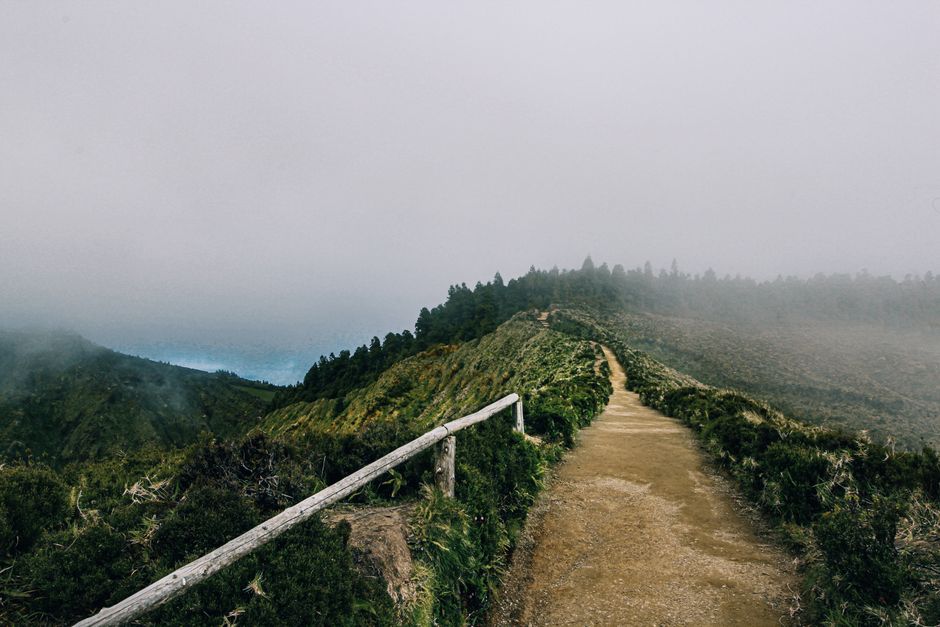
The islands have many officially marked trails, and plenty are easy alone. A guide adds value when the route needs navigation, when you want interpretation of geology, endemic plants or birds, and when logistics are awkward, such as a one-way walk with a transfer. Themed walks are increasingly common: volcanic landscapes, laurel forest, fajãs on São Jorge, or lava caves. Caves usually require helmets and sturdy shoes and may only be open with guided or ticketed access, so check the arrangement. For unguided ideas see the best Azores hiking trails.
The ascent of Pico, Portugal's highest mountain, is a special case: it is regulated, with registration and safety requirements, and many people go with a guide. Check the current rules before attempting it.
Boat Tours
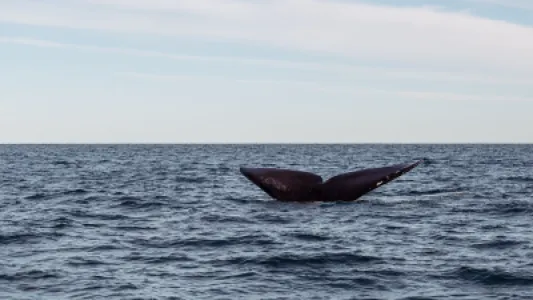
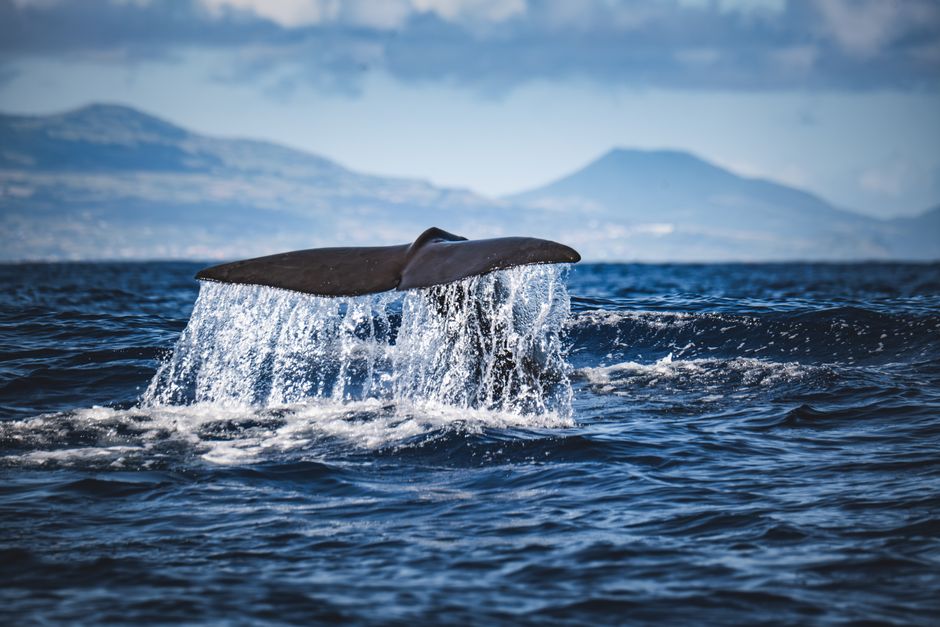
Boat experiences range from coastal cruises and trips to islets, to whale and dolphin watching, fishing charters and longer sailing outings. Wildlife trips are the most regulated: boats are expected to follow approach rules, and a responsible operator explains them. Sightings depend on season and area. We cover them in our whale watching guide and the sailing and boat tours guide, so we will not repeat them here.
When choosing, compare the type of boat (a fast inflatable is close to the water, a larger vessel is steadier if you are prone to seasickness), the duration, whether a trained guide is on board and the policy if the trip is cancelled for sea conditions. Weather cancellations are normal in the Atlantic, so flexible booking is valuable.
Canyoning and Adventure Activities
Canyoning means descending streams and waterfalls by walking, jumping, abseiling and sliding, led by trained guides who supply the wetsuit, helmet, harness and rope. It depends on water levels, so a good operator decides on the day whether a canyon is safe. Our guide to canyoning and adventure sports goes deeper. Other organised options include coasteering, kayaking and stand-up paddling, mountain biking, surf lessons, paragliding and diving.
When a description says "easy" or "all levels", ask what that means: hours, walking distance, whether you must jump or abseil, and any age or weight limit. A professional operator explains the briefing, group size per guide and equipment checks, and asks about your swimming ability and health. If none of this is mentioned, question it.
Which Tours Suit Which Island
This is a general orientation, not an exhaustive list.
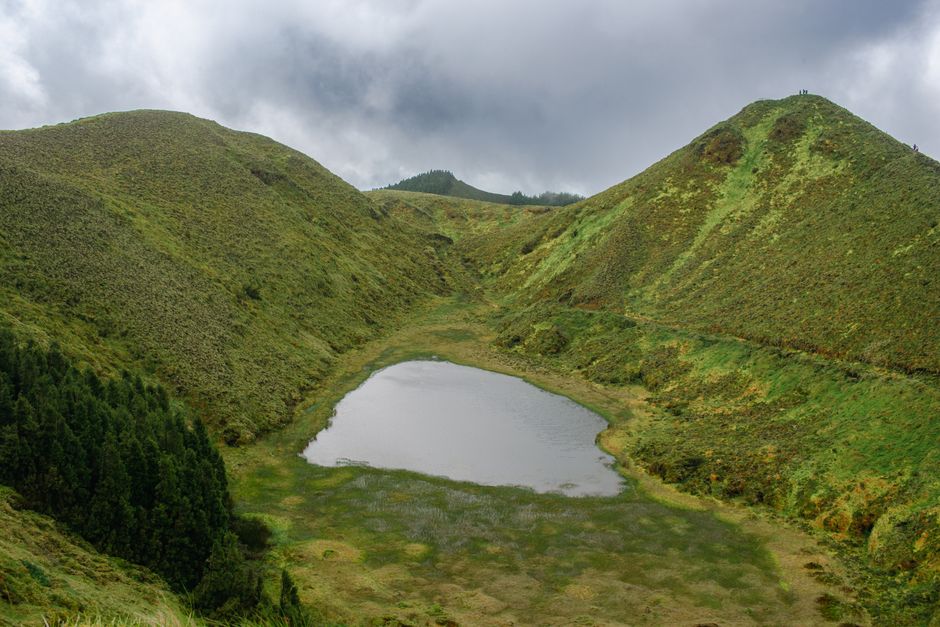
- São Miguel: the widest choice, with full-day van and 4x4 circuits, guided walks around the crater lakes and Furnas, boat trips, canyoning and wildlife outings. See also day trips from Ponta Delgada.
- Terceira: heritage walks in Angra do Heroísmo, island circuits and a lava cave visit.
- Pico: mountain guiding, vineyard and wine visits and one of the main bases for whale and dolphin watching.
- Faial: marina boat outings, crater walks and crossings to Pico.
- São Jorge: walking is the main draw, especially down to the fajãs, often with a local transfer.
- Flores and Corvo: waterfalls, lakes and dramatic scenery, with guided walks, canyoning and small-group transfers.
- Santa Maria, Graciosa: shorter half-day tours, plus boat and diving options. Fewer operators, so book ahead.
To combine several islands, read our island hopping guide.
What Is Usually Included
Read the inclusions line by line and never assume.
- Vehicle tours: vehicle, driver-guide and fuel. Hotel pickup is common, not universal. Entrance fees, thermal baths and lunch are often extra.
- Guided walks: the guide and sometimes transfers. Food, drink and personal gear usually not.
- Boat tours: boat, crew, safety equipment and a briefing. Waterproofs may be provided on fast boats; snacks and port transfers vary.
- Canyoning: technical gear, wetsuit, helmet, guide and often insurance. You bring swimwear, a towel and suitable shoes.
Also ask about insurance, taxes, access fees and whether guide photos cost extra.
Group or Private Tour?
Group tours cost less per person and let you meet other travellers, but the schedule and route are fixed. Check the maximum group size: a small group is very different from a full coach. Ask what happens if too few people book.
A private tour gives control over timing, pace and focus. It suits families, photographers waiting for light, travellers with mobility needs and anyone wanting a tailored itinerary. Many operators offer a private version of a standard route. If accessibility matters, tell the operator in advance and see our accessible Azores guide.
Seasonality and Weather
The climate is mild and oceanic, with changeable weather in every season. The main tour season runs roughly from late spring to early autumn, when days are long, seas calmer and more operators run daily. July and August are busiest, so book early. See our weather guide for the monthly picture.
Spring and autumn can be excellent for walking and wildlife with fewer visitors, though rain and cancelled sea trips are more likely. In winter fewer operators run, while land-based tours often continue. Seasons for particular wildlife, canyoning and boat access vary, so confirm dates for your activity. Build slack into your plan: avoid a major tour on the day before a flight, and book weather-sensitive activities early in your stay so you can reschedule.
What to Check Before You Book
- Licensing: activity and maritime-tourism operators are expected to be licensed in Portugal. Ask if it is not shown.
- Cancellation policy: what happens if the operator cancels for weather, and if you cancel. Look for refunds or free rescheduling.
- Itinerary: total hours, real stops, time at each and whether the route can change.
- Group size and language: maximum guests and languages spoken.
- Fitness and age limits: required level, minimum age, health restrictions.
- Meeting point: exact place, time and included transfers.
- Inclusions: food, fees, equipment, insurance, photos.
- Responsible practice: wildlife rules, small groups, respect for protected areas; see sustainable tourism in the Azores.
- Reviews: recent, specific feedback, and caution with promises of guaranteed sightings.
If you book through an online platform or booking widget, read the same details and confirm provider, meeting point and conditions in your confirmation. Prices and availability change, so check them when you book.
Frequently Asked Questions
Do I need to book tours in advance?
In summer, yes, especially boat trips, canyoning and small-group tours. In shoulder seasons a few days ahead can work, but flexible dates help.
Is a 4x4 better than a van?
Not necessarily. A 4x4 helps on unpaved tracks, but many popular circuits are on paved roads where a van is as good and more comfortable.
Can children join?
Many tours allow it, but age and height limits apply, especially for canyoning and fast boats. Ask first, and see Azores for families.
What if the weather is bad?
Operators generally cancel or reschedule when conditions are unsafe. Check the policy before booking.
Are tours worth it if I rent a car?
Often yes for activities needing equipment or expertise, such as canyoning, boats and complex hikes. For road sightseeing, a car gives freedom and a tour gives context.
Final Thoughts
The best tour is the one that matches your interests, fitness and timetable, with an operator that is clear about what is included and honest about the weather. Choose a vehicle tour for breadth, a walk for depth, a boat for the Atlantic and canyoning for adventure, book weather-sensitive activities early and keep a day free. Always confirm current details locally before you travel.