Graciosa in 2 Days: Itinerary for the Azores' White Island
Graciosa is the second-smallest inhabited island in the Azores, a gentle, windswept patch of land of roughly 60 km² in the Central Group, known as the White Island (Ilha Branca). It was designated a UNESCO Biosphere Reserve in 2007, and its mix of a collapsed volcanic crater, a lava cave with an underground lake, hot-spring baths, old windmills and walled vineyards makes it one of the easiest islands to understand in a short stay. Two days is a sensible length: enough to see the headline sights without rushing, and short enough to combine with a bigger island. This itinerary splits the island into a northern-and-central day and a southern-and-coastal day, with Santa Cruz da Graciosa as the base. For a wider overview, see our Graciosa Island complete guide. Opening times, ticket rules and transport schedules change, so always check current information before you go.
Before You Go: Planning Two Days
Graciosa is small: you can drive between most points in well under an hour, and the roads are quiet. That makes a rental car or a taxi arrangement the most flexible option, although the island does not have the dense public transport of larger islands. The main caution is that several attractions, in particular the Furna do Enxofre, have limited access hours or seasonal rules, so confirm them locally the day before.
- Base: Santa Cruz da Graciosa, the island capital, has most of the restaurants, shops and guesthouses.
- Pace: Day 1 is the volcanic interior, Day 2 is the thermal baths, windmills and coast.
- Pack: a windproof layer, sturdy shoes for the crater steps, a swimsuit and towel for the baths.
- Weather: the Azores weather changes quickly; keep both days flexible and swap them if one looks wet.
If this is part of a longer trip, our island hopping guide explains how islands connect by air and sea.
Day 1: Caldeira, Furna do Enxofre and Santa Cruz
Start in the south-east of the island interior, where the main volcanic feature is the Caldeira, a wide collapsed crater in the island's higher ground. A short road climbs to the rim area, and the views across the island and out to the Atlantic show how compact Graciosa really is. The crater floor is a quiet, green, farmed landscape, and there are marked paths if you want to stretch your legs.
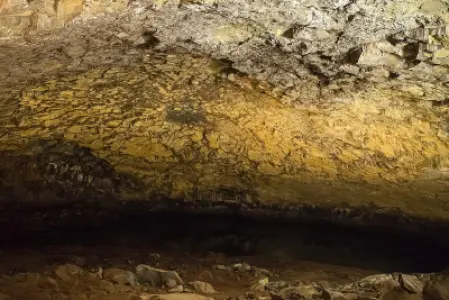
Inside the Caldeira lies the island's best-known attraction, the Furna do Enxofre (Sulphur Cave). This is a volcanic cavity reached through a tunnel and a long stairway that winds down into a large vaulted chamber with a lake at the bottom. The place is also known for volcanic gases, and access is managed for safety reasons, so rules, hours and any ticket requirements can change. Check current information locally and follow staff instructions. Wear shoes with good grip, because the steps can be damp, and allow roughly an hour including the descent and ascent.
After the cave, drive back towards the coast and spend the afternoon in Santa Cruz, with a late lunch and an unhurried walk.
Santa Cruz da Graciosa: A Walkable Capital
Santa Cruz is the island's main town and the easiest place to get a feel for daily life. Its centre is compact and can be covered on foot in an hour or two: a central square, a parish church, small museums and traditional white houses with coloured trim. The harbour area is pleasant for an evening stroll, and the town is the best place to look for dinner. Local restaurants typically serve fish, limpets and the island's own meat and cheese, together with local wine.
- Walk the historic centre and the waterfront in the late afternoon.
- Visit one of the small museums if open; check times locally.
- Book dinner ahead in high summer, when beds and tables are limited.
Day 2: Carapacho, Windmills and the Coast
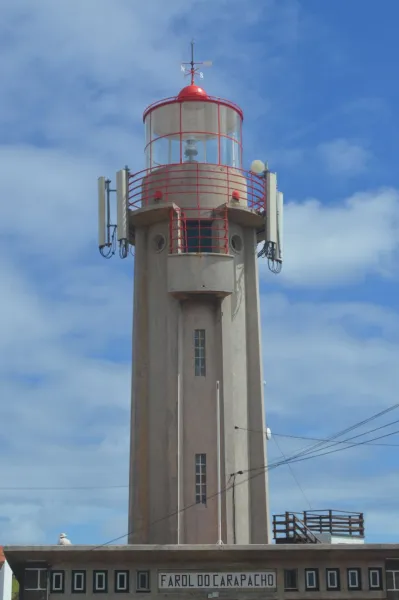
Begin Day 2 on the southern tip of the island at the Termas do Carapacho, a thermal spa complex by the sea in the parish of Luz. The water is naturally warm and mineral-rich, and the baths have been used for generations. Visitors usually choose between a short soak and a longer treatment; opening hours, prices and booking rules vary by season, so check before you arrive. Going early in the morning is a pleasant way to start, and the contrast between warm water and the cool Atlantic air is part of the charm. If you want a deeper look at thermal bathing across the archipelago, read our guide to Azores hot springs and thermal pools, which focuses on São Miguel.
From Carapacho, head through the farmland and look for the windmills for which Graciosa is known. Traditional stone mills with rotating wooden roofs and white walls stand in several parishes, and some have been restored. Treat them as photography and viewpoint stops, and check locally whether a particular mill or the small museum dedicated to this heritage is open when you pass.
Ilhéu da Praia and the Southern Shore
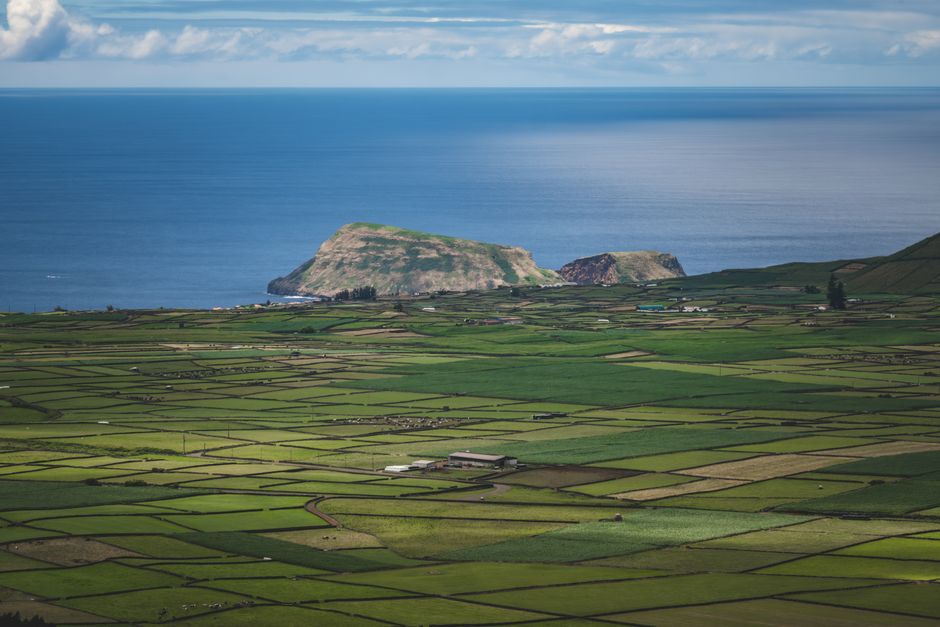
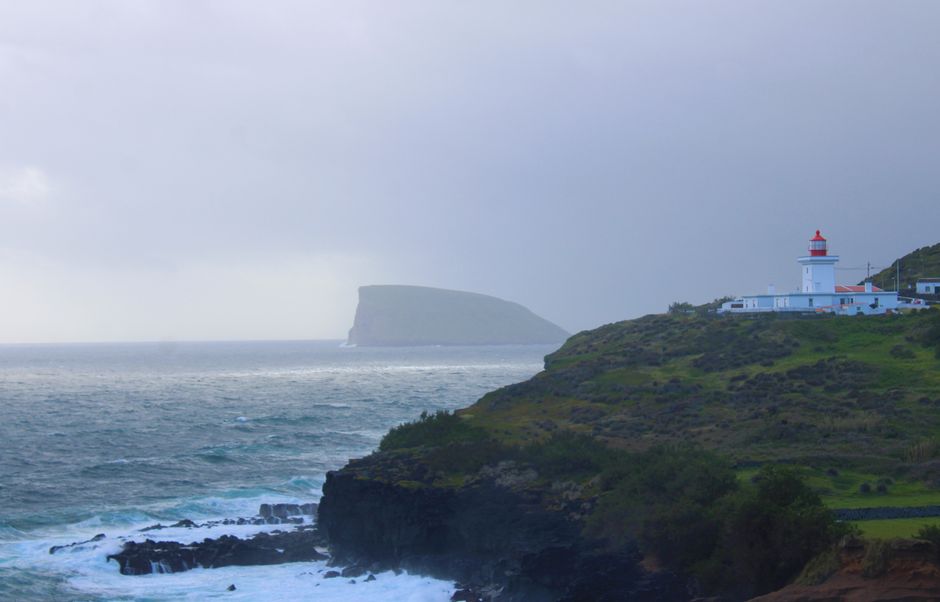
On the eastern side of the island, the village of Praia has a sandy beach, which is unusual in the Azores, where black rock coastlines dominate. Just offshore is the Ilhéu da Praia, a small islet that is protected as a nature area and important for seabirds. Because it is a conservation site, landing may be restricted or require authorisation; enquire locally about boat trips, seasonal rules and viewing options rather than assuming you can set foot on it. From the beach you can still enjoy the view, and the water is popular for swimming in summer.
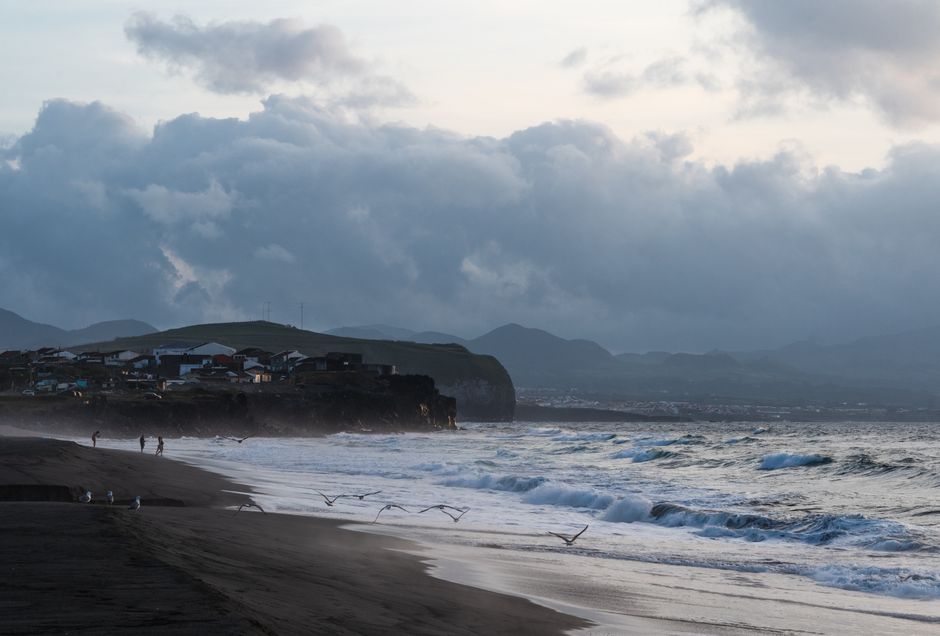
Finish the day with a drive along the coast, where small bathing spots and lookouts appear between lava rock and farmland. Sunset is often the most memorable part of the island, with the light turning the walls and mills a warm gold.
Wine and Queijadas: What to Taste
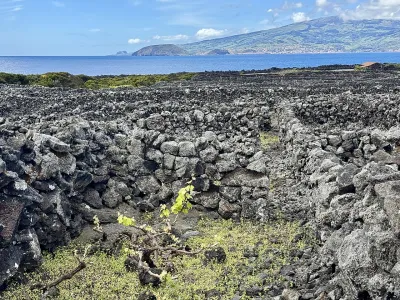
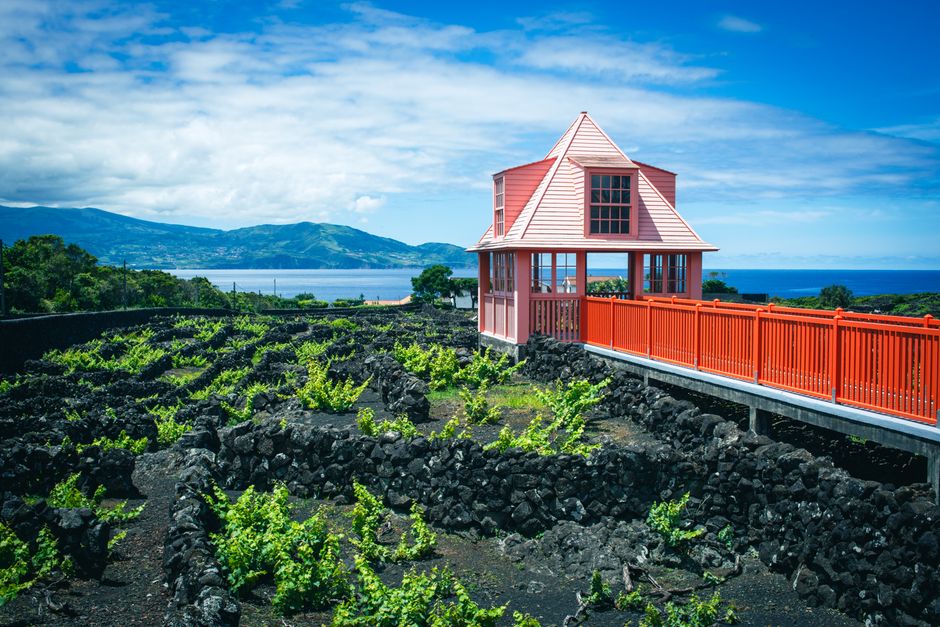
Graciosa has a long winemaking tradition, and its vineyards are planted in the volcanic soil among low stone walls that shelter the vines from the Atlantic wind. The island is associated with white wines, notably Verdelho, and it has a producer cooperative that sells local bottles. Tastings and visits depend on the season, so ask locally. If wine is a priority on your trip, our Pico Island guide covers the archipelago's other famous wine landscape, a UNESCO site.
For something sweet, look for the queijadas da Graciosa, small baked tarts made with eggs, sugar and local ingredients, which are among the island's best-known treats. You will find them in bakeries and cafés in Santa Cruz and other villages, and they make an easy gift to carry home. Pair one with coffee in the afternoon, or buy a few for the flight.
Getting There and Getting Around
Graciosa has its own airport with regional flights from other Azorean islands, most commonly from Terceira and São Miguel, operated by the regional carrier. There is also a ferry connection that runs seasonally between several islands in the Central Group, but schedules and routes change from year to year, so check before you plan around it. Our Azores airport guide explains the main gateways and how flights from Europe, the US and Canada connect with the islands, and the public transport guide covers buses, ferries and inter-island flights in more detail.
Once on the island, a rental car gives the most freedom. Book in advance in summer, because supply is small. Taxis are available for short transfers, and walking works well inside Santa Cruz.
Frequently Asked Questions
Is two days enough for Graciosa?
Yes, for the main sights. Two days lets you see the Caldeira and Furna do Enxofre, relax at Carapacho, visit Santa Cruz and drive the coast without rushing. Add a third day if you want hiking or slower beach time.
Can I visit Graciosa as a day trip?
It is possible if flight times line up, but you would have to skip much of the itinerary. An overnight stay lets you visit the main sites and enjoy the evenings.
What is the best time to visit?
Late spring to early autumn offers the mildest weather and the best chance of swimming. The Azores weather is changeable all year, so keep plans flexible.
Do I need a car?
A car is the most convenient option because distances are short but public transport is limited. Taxis can fill the gap for specific trips.
Is the Furna do Enxofre always open?
Not necessarily. Access can change for safety or seasonal reasons, so check current rules and hours locally before you go.
Final Thoughts
Graciosa rewards a slower approach. In two days you can walk down into a volcanic cave, soak in warm mineral water, see old windmills turning above the vineyards and finish with a queijada in Santa Cruz. Plan around the island's small scale, confirm opening times and travel schedules before you go, and leave room for unplanned stops. Used as a quiet counterpart to a busier island, Graciosa is an easy place to remember.