Faial is small enough to cover its highlights in three days and varied enough that each day feels different: a harbour town full of sailing stories, a volcanic landscape created in the twentieth century, and a huge crater wrapped in green vegetation.
This itinerary is built around three anchors, Horta, Capelinhos and the Caldeira, and leaves room to swap stops when the weather changes. It is a planning guide, not a timetable: opening hours, ferry schedules and tour operators change, so for each of them we say where to check. For the island in more depth, read our complete guide to Faial.
Faial at a glance
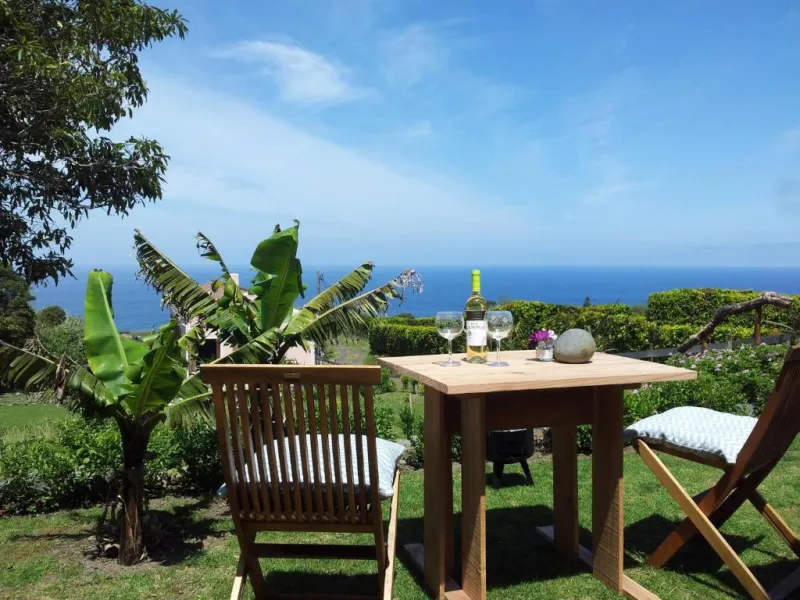
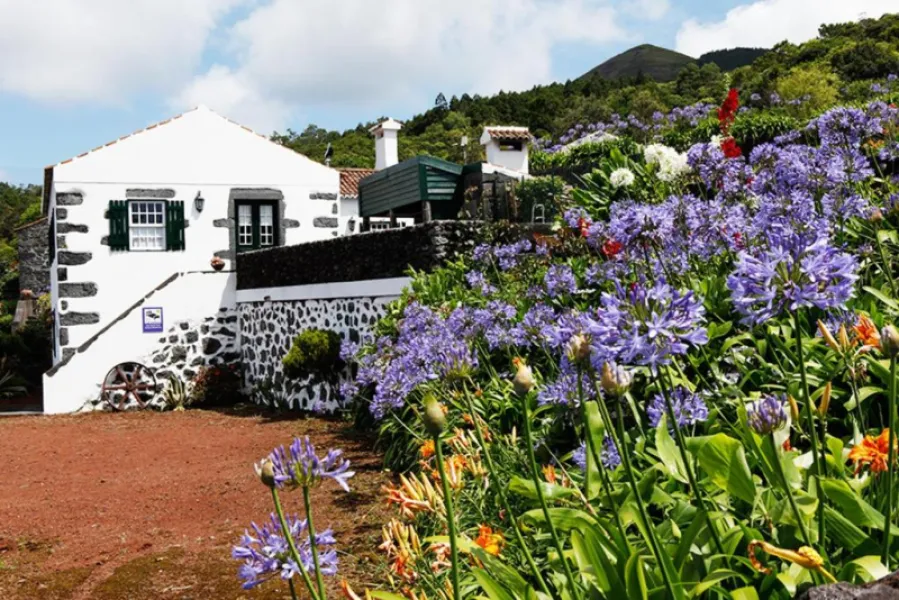
Faial covers 173 km2 and measures about 21 km from east to west and 14 km from north to south. A narrow channel separates it from Pico, and the ferry between the two islands takes about half an hour. The island is nicknamed the Blue Island because of the hydrangeas that line its roads in summer.
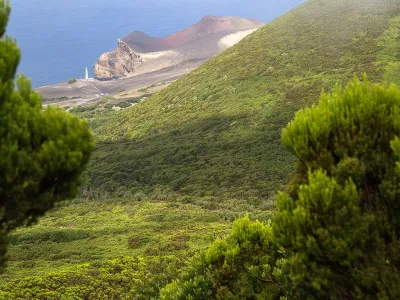
Two things shape the trip. Horta is one of the best-known stops for sailors crossing the Atlantic, which gives the capital an international character. And in 1957 the Capelinhos volcano erupted off the west coast; the eruption lasted 13 months and left what is described as the youngest land in Portugal, a bare landscape unlike anything else on the island.
The rest of Faial is quieter: dark-sand beaches, rock pools, viewpoints looking across to Pico, old windmills and the central crater known as the Caldeira. Our three days put these in a sensible order, with the town first, the west and north coast second and the high ground last. Browse everything on the Faial island page.
Planning your three days
The best time to visit is generally April to October, although Azorean weather is unpredictable at any time of year. If swimming in the natural pools matters to you, summer is best, and travel outside July and August if you can, since those months are the busiest.
Three days is a sensible minimum for Faial, and five is more relaxed. If you also want Pico, which is only a short ferry ride away, add days rather than squeezing it in; our article on Pico island, its vineyards and volcano shows what you would be adding.
The stops on days 2 and 3 are spread across the island, so a rental car makes the plan far easier. Horta is a practical base because day 1 is on foot and the other routes start from the town. For beds, see the accommodation listings. Book flights and ferries early in high season and confirm the sailing days on the operators' own websites.
Day 1: Horta, Porto Pim and Monte da Guia
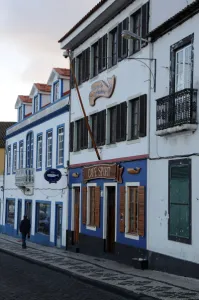
Morning: marina and Peter Café Sport
Start at the Horta marina, the first leisure harbour in the Azores, established in the 1980s. Sailors who stop here traditionally paint a drawing of their boat on the harbour walls, so a slow walk along the quay is an open-air gallery. Look for the paintings and imagine the crossings behind them.
Peter Café Sport is the social heart of the waterfront and is known for welcoming sailors from all over the world. The house drink is gin, you can look at the small collection of scrimshaw art, and the view takes in the marina and the island of Pico. One traveller recommends the toasted cheese with pineapple and reports modest prices; check the current menu yourself.
Afternoon: church, museum, beach and viewpoint
Walk along the coast to the Igreja de São Salvador, the main church, built in 1680 and decorated with gilded carving, tiles and finely worked wooden sculpture. Next to it, the Museu da Horta, in the grounds of a former Jesuit college, tells the island story, including agriculture and its role in the transatlantic telegraph cable.
Then head to the southern end of town for Porto Pim, a beach between the bay and Monte da Guia with clear water that is popular with families. Nearby is the Porto Pim whaling factory, where you can learn about the history of whaling on the island.
Finish at the Monte da Guia viewpoint. This volcanic cone is easy to reach from Horta and gives panoramic views over the town, the bay and Pico. If you prefer another angle, the Ponta da Espalamaca viewpoint on the other side of the town looks down on the marina. Whale-watching trips also leave from Horta, typically between March and October; compare licensed operators and check the schedule before you plan a day around one.
Day 2: Viewpoints, pools and the Capelinhos volcano
Morning: viewpoints and pools
Begin at the Miradouro de Nossa Senhora da Conceição, which looks over the town and the beach and takes its name from the tall statue of Our Lady. A few minutes by car brings you to Almoxarife, a long stretch of dark sand facing Pico, good for a swim or a sunbathe.
Continue along the coast to Porto do Salão, where a ramp leads straight down to the shoreline and the natural pools. Inland at Cedros you can see the red windmills that give the green landscape its charm; some still keep their grinding machinery.
Stop at the Miradouro da Ribeira das Cabras to look at the Fajã da Praia do Norte, a village built on a flat platform formed by volcanic eruptions. It is a good place for a picnic. After that, the Praia da Fajã, a dark-sand beach among green hills, is popular with surfers.
Afternoon: the Capelinhos volcano
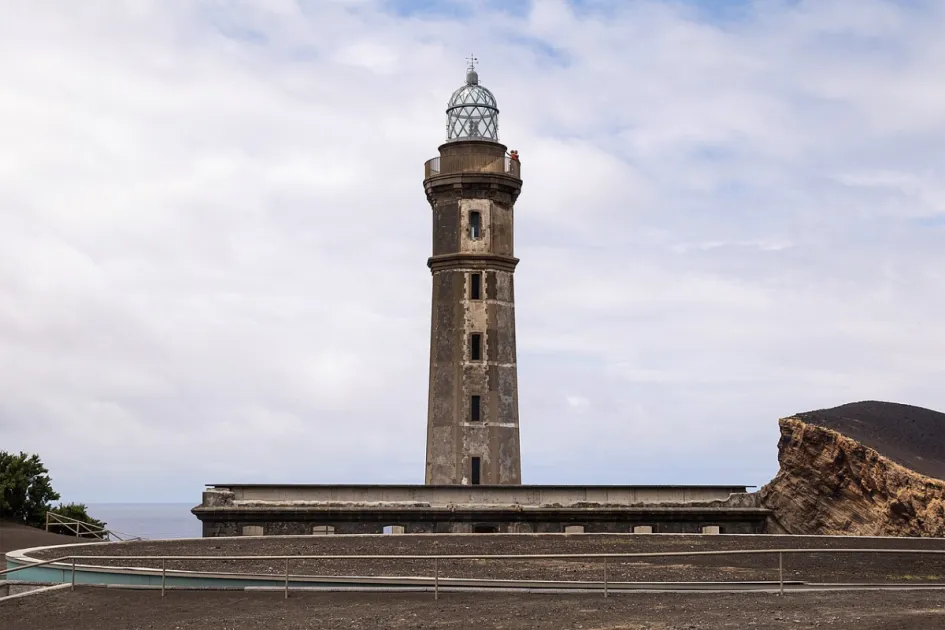
Save the west tip for the late afternoon. The Capelinhos Volcano Interpretation Centre explains the 1957 eruption, the geology of Faial, the tectonic forces that shaped the Azores and the emigration to North America that followed. You can also climb the lighthouse for a wide view of the volcano and its surroundings, and there is a walking trail up the volcano for those who want to stretch their legs.
Opening times and ticket prices are not something we can confirm here: check the centre's details on the official Azores tourism channels at visitazores.com or with the centre itself before you go.
Nearby, the Porto do Comprido natural pools are made of basalt and hardened lava left by the eruption. Put your feet in the water or watch the sun set over the Atlantic. Do not try to do every stop listed above: if time is short, keep Salão or Fajã, the viewpoint, and Capelinhos.
Day 3: The Caldeira and a flexible finish
Morning: the Caldeira rim
Spend the last day in the middle of the island. The Caldeira is the huge crater of the volcano that formed Faial. You park the car, climb a few steps and walk through a dark tunnel, and the crater opens in front of you, covered in green, with small lakes on the floor and mist that comes and goes.
Descending to the bottom is not allowed because the crater shelters rare endemic Azorean plants. Instead you can walk all or part of the trail around the rim. The route is circular, of medium difficulty, about 8 km long and around 2.5 hours on average, starting and ending at the Miradouro da Caldeira. Check conditions and the official description on the Visit Azores trail page and see our overview of the best hiking trails in the Azores if you want to compare options.
Afternoon: choose your finish
After the walk you have choices. If the weather is clear, take the half-hour ferry to Pico for a day trip, or use the time to return to a stop you missed, such as the pools or the Horta waterfront. Cloud can settle on the Caldeira quickly, so leave the crater for a clear morning and swap days 2 and 3 if the forecast says so.
For a last evening in Horta, return to the marina and the Monte da Guia viewpoint, or swim at Porto Pim. More ideas by category are in our beaches and trails sections.
Practical tips for the route
Weather: it can change within hours, so keep the plan flexible. Pack layers, a waterproof jacket and sturdy shoes for the Caldeira, and swimwear if you want the pools.
Transport: a car is the simplest way to link days 2 and 3. If you do not drive, ask at your accommodation or the local tourist office about buses and taxis rather than relying on our itinerary.
Opening hours and tickets: confirm for the Capelinhos centre and lighthouse, the Museu da Horta and the whaling factory before you go. We have not listed prices because we cannot verify them.
Respect the landscape: stay on marked paths, do not enter the bottom of the Caldeira and treat the volcanic terrain and the endemic plants with care. Choose licensed operators for whale watching and diving.
FAQ
Is three days enough for Faial?
Three days covers Horta, Capelinhos and the Caldeira at a steady pace. Travel guides suggest three days as a minimum and five as ideal, particularly if you want to add Pico.
Can I walk down into the Caldeira?
No. Descent to the bottom is not allowed because of rare endemic flora. You can walk the circular rim trail, about 8 km and roughly 2.5 hours, from the Miradouro da Caldeira.
When is the best time to visit Faial?
April to October is generally best. For the natural swimming pools choose summer, avoiding July and August if possible, and always keep a rainy-day alternative.
How long is the ferry from Faial to Pico?
About half an hour. Check the current timetable and the days of operation with the ferry company before you plan a day trip.
Final thoughts
Faial rewards a slow, well-ordered visit: sailing stories in Horta on day 1, the youngest landscape in Portugal and the coast on day 2, and the green Caldeira on day 3. Keep the order flexible, check the details we have flagged, and leave a little time for the unplanned stop.
If you liked this route, continue with our Faial complete guide or add the island next door with the Pico article.