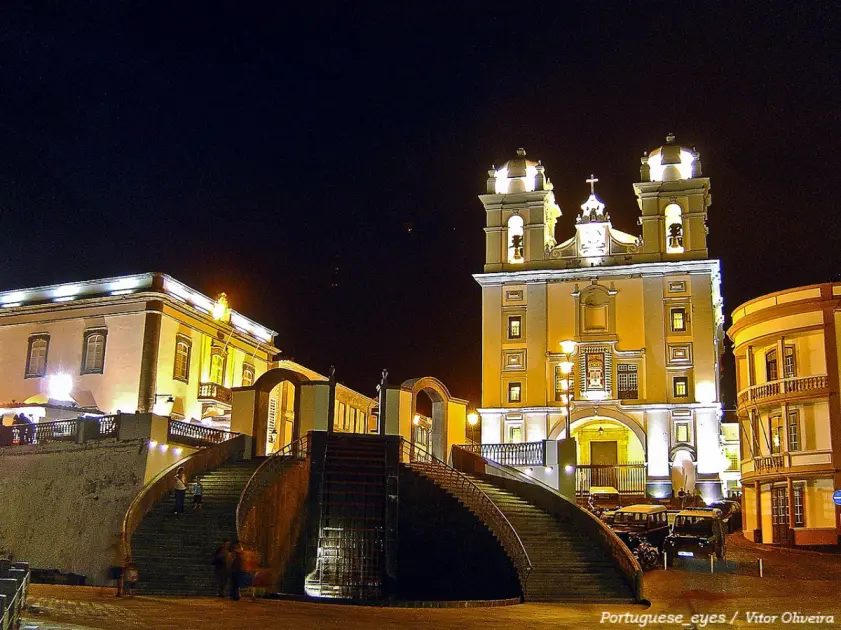
Azores nightlife follows its own rules — and that is precisely what makes it worth experiencing. The archipelago has an authentic nocturnal culture that blends Azorean tradition, diaspora influences (especially from North America and Canada), religious and folk festivals throughout the year, and a bar and restaurant scene that grows with every tourist season. From the cosmopolitan energy of Ponta Delgada to the legendary sailor atmosphere of Peter Café Sport in Horta, to the folk-dance festivals of Terceira, there is an Azores night out for every taste.
Ponta Delgada (São Miguel) — The Entertainment Capital
Ponta Delgada is the undisputed centre of Azorean nightlife. The city concentrates the archipelago's largest selection of bars, restaurants, clubs, and cultural events.
Marina and Waterfront
The redeveloped marina area has become a lively strip of cocktail bars, chef-driven restaurants, and waterfront terraces that come alive from 7pm and keep going until 2am on summer weekends.
Rua de Lisboa and Market District
The historic heart of Ponta Delgada has a growing concentration of live music bars, petiscos taverns, and cultural spaces. Historic mansions converted into bars and restaurants make this the favourite starting point for evenings out.
Nightclubs
Ponta Delgada has several clubs running regular nights of electronic music and DJ sets, primarily on Friday and Saturday evenings in July–September. Most open after midnight and close at 4–6am. Check local social media for up-to-date programming, as venues change seasonally.
Live Music
The live music scene is growing, with bars offering jazz, blues, Portuguese pop, and traditional Azorean chamarrita folk music nights. Cultural centres and the Municipal Theatre host regular concerts and performances throughout the year.
Horta (Faial) — The Legendary Peter Café Sport
No Azores nightlife guide is complete without Peter Café Sport — one of the most famous bars in the Atlantic and probably the most internationally recognised Portuguese bar outside Lisbon and Porto. Founded in 1918 by the Azevedo family, it became over decades the mandatory meeting point for transatlantic sailors stopping in Faial during North Atlantic crossings.
Its walls are covered in pennants from vessels of every nationality, sailors' photographs, and decades of oceanic memories. The atmosphere is genuinely unique: at the bar you might find an Australian sailor who arrived two hours ago after 20 days at sea, a local fisherman, an American tourist, and a German businessman — all sharing the same beer and the same stories. The house cocktail, the Gin de Horta (gin with Azorean passion fruit liqueur), is obligatory reading.
Beyond Peter Café Sport, Horta has a small but lively marina bar scene that peaks during the transatlantic sailing season (April–October).
Angra do Heroísmo (Terceira) — Nightlife in UNESCO History
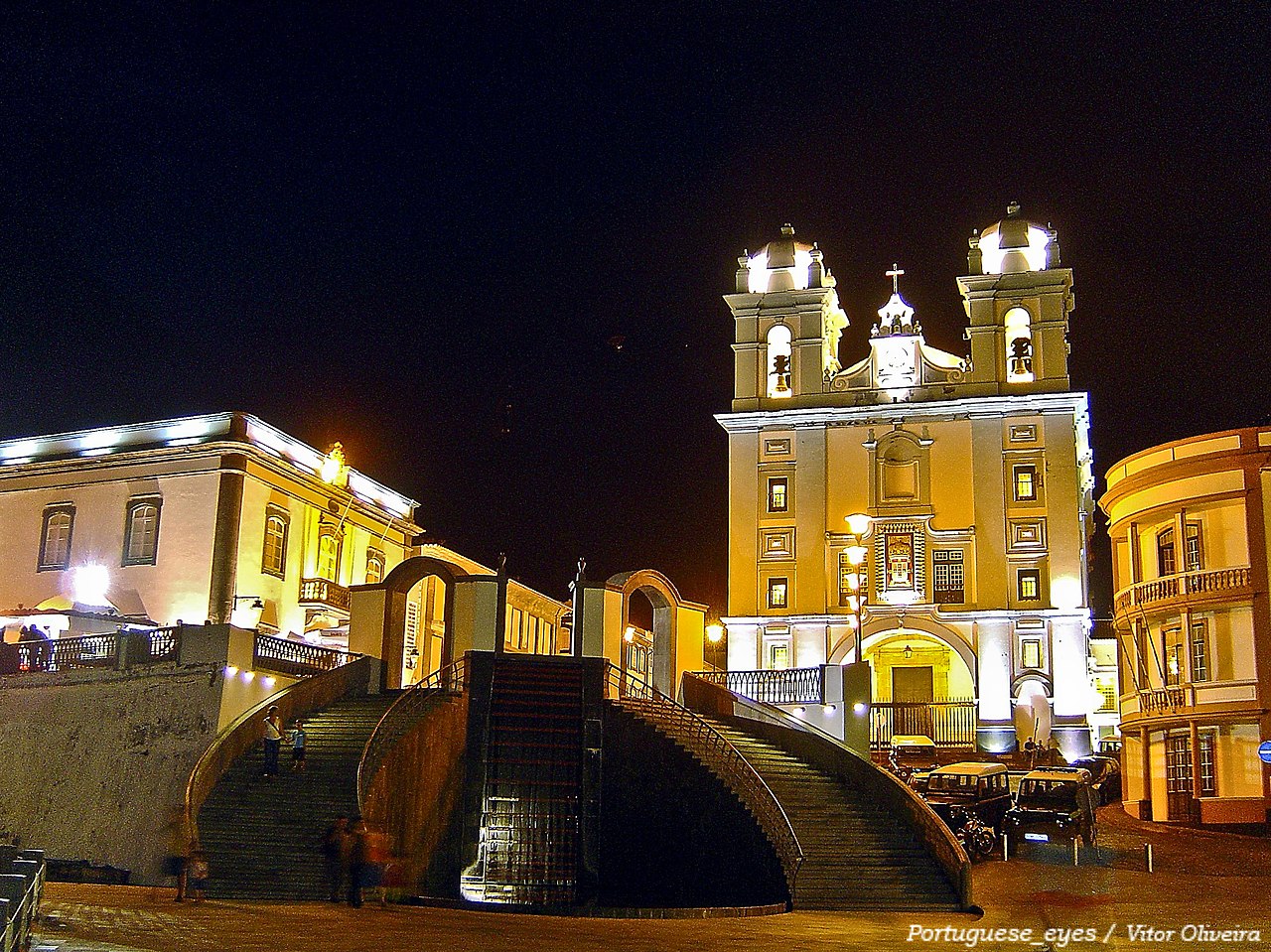
Terceira's capital concentrates its nightlife in and around the UNESCO historic centre. The Praça Velha and adjacent streets have a cluster of bars and restaurants that animate the city on summer evenings and during the Holy Spirit festivals.
Terceira has a strong tradition of arraiais — outdoor folk dance events during summer festivals — with live music, traditional dances, and community participation that is increasingly rare in modern tourist destinations. The Festas Sanjoaninas (June) and Holy Spirit Festivals (May–September) include nights of folk music and dancing that go on until the early hours.
Festivals and Open-Air Events
Maré de Agosto (Santa Maria)
The most famous open-air music festival in the Azores, held every August at Praia Formosa on Santa Maria Island. The stage is set just metres from the sea, the festival runs for three days, and the line-up includes international names alongside Portugal's biggest artists. A concert with your feet in the sand — one of the most unique events in the Portuguese cultural calendar.
Holy Spirit Festivals (Terceira)
The Holy Spirit Festivals of Terceira blend religious ceremony and popular celebration. Daytime coronations and processions give way at night to arraiais with folk music, traditional dances, and community gatherings that last until dawn. This unique tradition runs from May to September across dozens of parishes.
Tasquinhas: The Social Heart of Azorean Nights
The informal tasquinha — a relaxed bar-restaurant for snacking, drinking, and long conversation — is fundamental to Azorean social life. In these spaces, entertainment happens spontaneously: a group of friends who start to sing, a local musician who brings a guitar, a conversation that lasts until 3am. In São Jorge, the tasquinhas of Velas and Calheta serve the famous DOP São Jorge cheese with local wine and occasional live music.
Practical Tips
- Nightlife starts later than in Northern Europe — dinners begin 8–10pm, bars fill after 10:30pm
- Winter months (October–April) have significantly less animation, especially on smaller islands
- Peak months (July–August) have the most events and the liveliest scenes
- Many events are free — summer folk and religious festivals are all free admission
- Alcohol culture in the Azores is Mediterranean in style — moderate, food-accompanied, without heavy drinking culture
- For current programming, check local Facebook groups and the Agenda Cultural dos Açores
FAQ: Nightlife and Entertainment in the Azores
Do the Azores have good nightlife?
Yes, but of a specific type. Azorean nightlife is centred on bars, restaurants, cultural events, and folk festivals rather than mega-clubs. It is authentic, relaxed, and far more interesting than mass-tourism nightlife.
Which island has the best nightlife in the Azores?
São Miguel (Ponta Delgada) has the widest range of nightlife options. Terceira (Angra do Heroísmo) has the best traditional folk festival scene. Faial (Horta) has the most famous bar — Peter Café Sport.
Is there nightlife on the smaller islands?
Yes, but much more limited. Flores, Corvo, and Graciosa have social gathering spots in their main villages, but the atmosphere is local and informal. These islands suit travellers who prefer peace and authenticity over entertainment. São Jorge has well-regarded tasquinhas.
Is there family-friendly night entertainment in the Azores?
The summer folk festivals (Holy Spirit Festivals, parish arraiais) are family events where children are welcome, with food, live music, and traditional games. Open-air festivals like Maré de Agosto have family areas.
What time do bars close in the Azores?
Regular bars close between 2 and 4am. Nightclubs in Ponta Delgada close at 4 or 6am on summer weekends. Folk festivals have no fixed closing time and may run until dawn.