São Jorge Fajã Trails: Fajã dos Cubres, Fajã da Caldeira de Santo Cristo and More
São Jorge is a thin ridge of an island, roughly 56 km long and only a few kilometres wide, with a spine of high pasture and cliffs that drop almost vertically into the Atlantic. At the foot of those cliffs sit the fajãs: small, flat platforms of land formed by lava flows or old landslides, where villages, vineyards, lagoons and tiny harbours cling to the shore. Walking down to them is the best thing to do on the island, and the best-known routes lead to Fajã dos Cubres and Fajã da Caldeira de Santo Cristo. This guide explains how the fajã trails work, how to reach the starting points, how hard the descents and climbs are, what to expect with taxis and return logistics, and why clams, surf and cheese make the effort worthwhile.
What Is a Fajã and Why Walk to One?
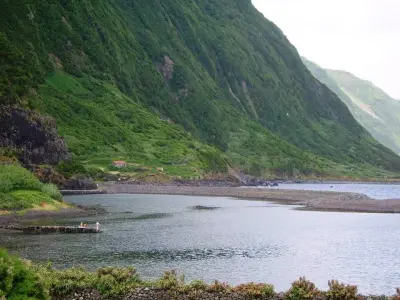
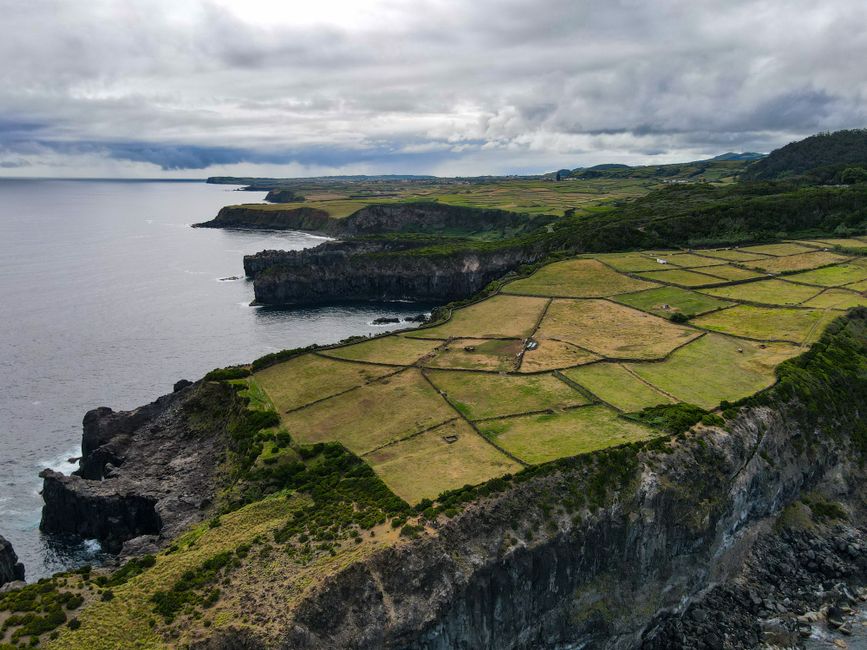
A fajã is a coastal platform at the base of a steep sea cliff. Some formed when lava reached the sea and cooled; others are the debris of landslides that slid down from the cliff above. São Jorge has dozens of them along its north and south coasts, and the Fajãs of São Jorge are recognised as part of a UNESCO Biosphere Reserve. Each one has its own character: some are farming hamlets with a handful of year-round residents, some are summer retreats, and a few are almost uninhabited.
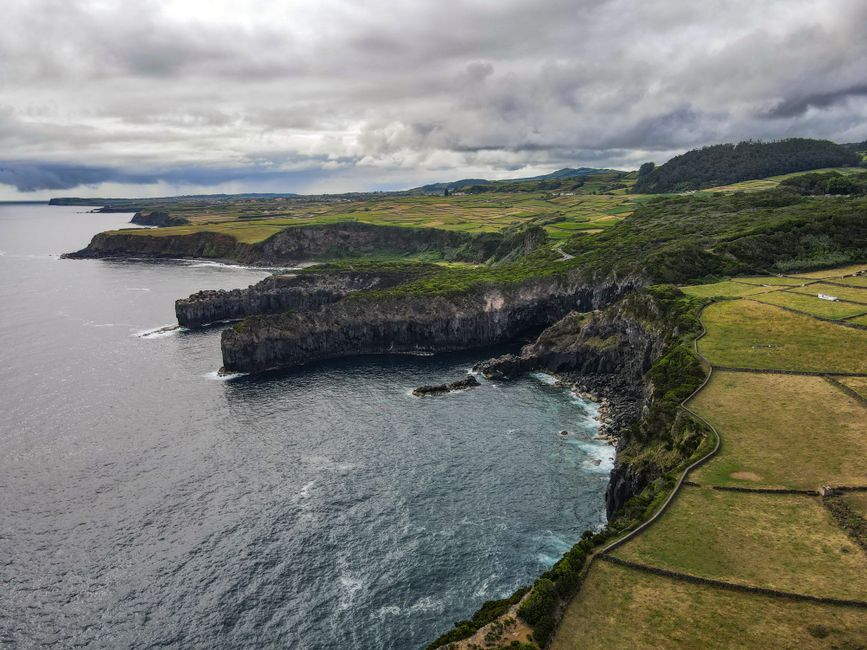
Many fajãs can be reached by a road, but others can only be reached on foot or with an off-road vehicle. That is exactly why the trails are special: you leave the green plateau, walk through hydrangea hedges, ferns and small farms, and arrive at a different world at sea level, with its own microclimate, its own crops and its own pace. For a wider overview of the island, see our São Jorge complete guide to the fajãs.
Fajã dos Cubres: Lagoon, Church and Easy Access
Fajã dos Cubres, on the north coast, is probably the most photographed fajã on the island. It is known for its shallow coastal lagoon separated from the sea by a boulder bank, a small white chapel, and a scattering of houses against a backdrop of steep green cliffs. A short road reaches the village, so you do not have to walk to see it, but the descent on foot from the plateau is a rewarding option for those who like to earn the view.
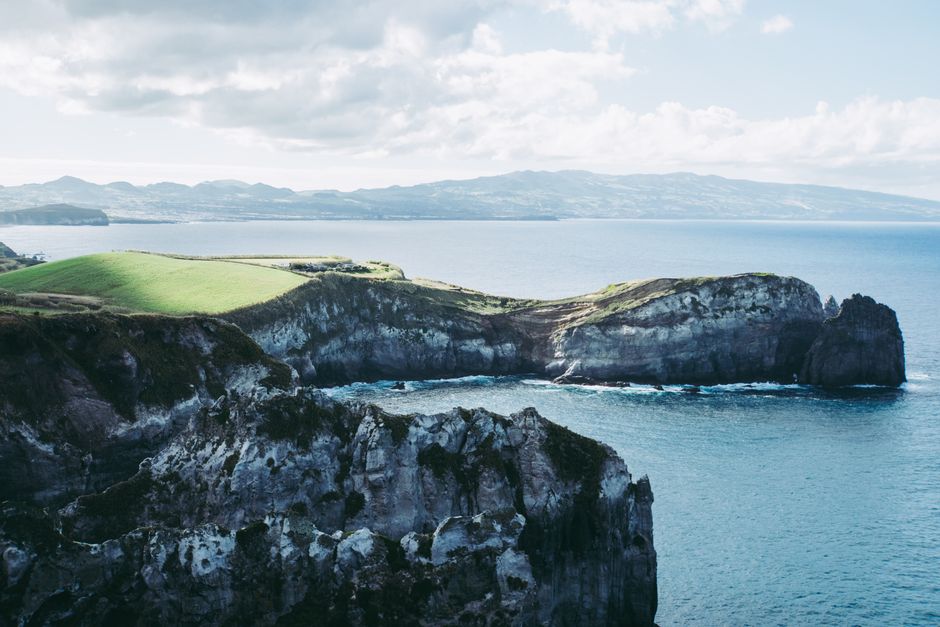
The lagoon and its surroundings are a sensitive natural area and an important spot for birdwatching, so keep to paths, take your litter with you and follow any local signs. Fajã dos Cubres is also the usual starting point for the walk along the coast to Santo Cristo. A few small cafés and guesthouses operate in or near the village, but opening times vary by season, so check locally before you rely on them.
- Access: by road from the north coast, or on foot from the plateau.
- Difficulty: easy if you drive in; moderate if you walk the descent.
- Best for: photography, birdwatching, a relaxed coffee by the water.
Fajã da Caldeira de Santo Cristo: The Remote One
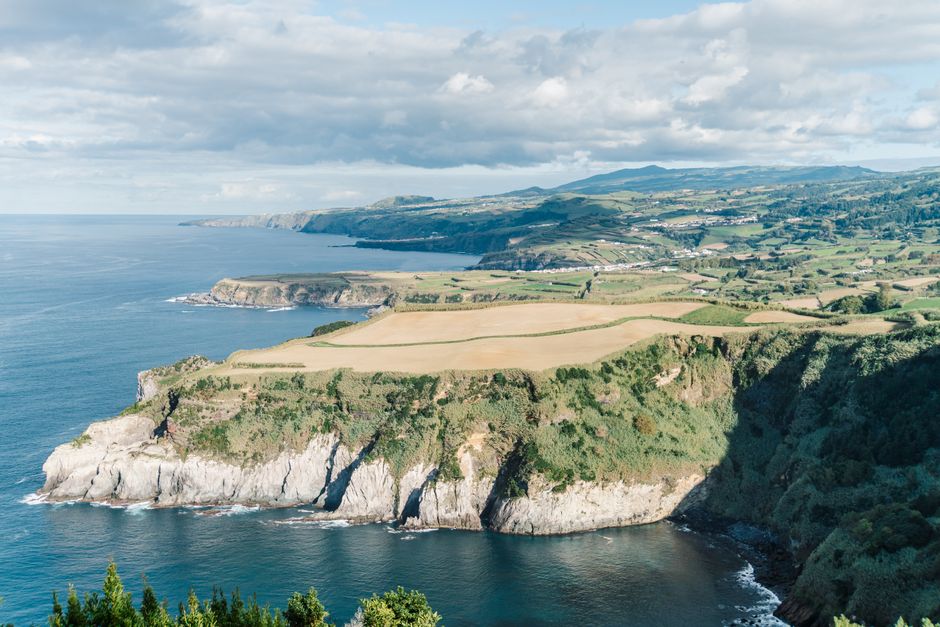
Fajã da Caldeira de Santo Cristo is the fajã that many travellers dream about. It has no road connection. A lagoon sits beside a small village, a church and a stretch of rocky coast that attracts surfers, and the whole place feels deliberately cut off. You reach it on foot, and there are two classic ways to do it.
Route 1: Along the coast from Fajã dos Cubres
The most popular approach starts at Fajã dos Cubres and follows the coast on a path that rises and falls through pasture and scrub. It is a walk of a few kilometres each way, with some ups and downs but no extreme gradient, and it is generally considered moderate. The sea is almost always in view.
Route 2: Down from the plateau
The other route descends from the high farmland above, around Serra do Topo, along a steep path down to the fajã. It is shorter in distance but steeper, and the return trip is a serious climb on tired legs. Trail codes, official distances and marked-route status can change, so confirm the current details with the tourist office or a local guide before you set off.
Santo Cristo also has a small number of year-round residents, and a few places that serve food and drink, but services are limited and seasonal. Do not assume you will be able to buy lunch, cash payment may be needed, and you should carry water and snacks.
Other Fajã Trails Worth Considering
If Santo Cristo is the headline, several other fajãs make good half-day outings. Always check that a trail is open and in good condition, as landslides and heavy rain can close sections.
- Fajã dos Vimes (south coast): a fertile fajã known locally for small-scale coffee growing and traditional crafts such as weaving. There is a road, but a footpath option exists from the high ground.
- Fajã do Ouvidor: famous for natural seawater swimming pools carved into the lava rock, popular in summer.
- Fajã de São João and Fajã de Santo Amaro: pleasant coastal villages where you can see how people live between the cliff and the sea.
- Fajã do Belo and Fajã da Ribeira da Areia: quieter spots for travellers who prefer fewer visitors.
For a broader selection of walks across the archipelago, read The 10 Best Azores Hiking Trails for 2026.
Difficulty, Fitness and Safety
The key fact about every fajã walk is that the descent is optional comfort and the climb back is the work. Going down is easy on the lungs but hard on the knees; coming up is where most people feel the effort.
- Footwear: sturdy shoes with good grip. Paths can be wet, muddy and slippery.
- Weather: conditions on the plateau and at sea level can differ. Mist and rain are common on the high ground, so bring a waterproof layer and check the forecast.
- Water and food: carry more than you think you need.
- Daylight: start early and plan to be back on the plateau well before dusk.
- Signal: mobile coverage may be patchy; tell someone your route.
- Livestock: close farm gates behind you and respect fences.
If you have knee problems, small children or a tight schedule, consider arranging transport for at least one direction.
Logistics: Taxis, Transfers and the Return Climb
The main logistical question is how you will get back up. Public transport on São Jorge is limited, and a rental car is the easiest way to reach the trailheads. Because most of the classic routes are linear rather than circular, you have a few choices.
- Out and back: park at the top, walk down and climb back to your car. Simple, but allow generous time for the return.
- Taxi or local transfer: local taxis and tour operators offer transfers to and from fajã trailheads, and some off-road vehicles serve Santo Cristo. Book ahead in busy months, agree the pick-up time and place beforehand, and ask for the current price, which we do not quote here.
- Two-car or drop-off: if you travel with friends, leave one car at each end of a route.
- Guided walk: a local guide handles the transport and knows the current trail conditions.
Whichever you choose, confirm the return arrangement before you start down. A fajã with no road and no pre-booked ride at the end of the day is a long evening.
Clams, Surf and Cheese
The clams of Santo Cristo
The lagoon at Santo Cristo is known for its clams (amêijoas), a local speciality that is often served simply, cooked with garlic, olive oil, coriander and a squeeze of lemon, or in rice dishes. Because the resource is limited and regulated, do not try to gather any yourself, and ask locally whether they are on the menu. Availability depends on the season and the day.
Surf
The waves at Santo Cristo have a reputation among surfers, and the fajã is one of the more atmospheric surf stops in the archipelago. Conditions can be powerful and the rocky seabed unforgiving, so the spot is best suited to experienced surfers; carrying a board down the trail is a commitment in itself. Our Surfing in the Azores guide covers the wider scene and how to judge conditions.
São Jorge cheese
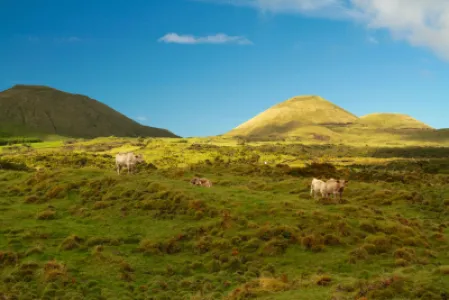
São Jorge is best known across Portugal for its cheese. Queijo São Jorge is a protected-designation cow's-milk cheese with a firm texture and a sharp, slightly spicy flavour that deepens with age. Cows graze on the high pastures you pass on the way to the trailheads, and local dairies and shops sell the cheese by the wedge, which makes a good, portable picnic ingredient. Read our Azores cheese and dairy trail for more, and the Azorean cuisine guide for other flavours to try.
Frequently Asked Questions
Can I drive to Fajã da Caldeira de Santo Cristo?
No. It has no regular road connection, so you reach it on foot, or with a local off-road transfer where available. Check current arrangements locally.
How hard is the walk?
The coastal route from Fajã dos Cubres is generally moderate, while the descent from the plateau is steeper. In both cases the return climb is the demanding part.
Do I need a guide?
Not necessarily on marked routes in good weather, but a guide helps with transport, conditions and local context.
Can I eat at Santo Cristo?
Some places may serve food, but services are limited and seasonal. Bring water and snacks and confirm before relying on a meal.
Can I swim?
The Atlantic can be rough. Use designated natural pools, such as those at Fajã do Ouvidor, and follow local advice.
Final Thoughts
São Jorge's fajãs reward effort. Fajã dos Cubres is a gentle introduction with a beautiful lagoon, while Fajã da Caldeira de Santo Cristo is the place to go if you want a trail with a sense of arrival, a plate of clams, a view of surfers and a wedge of local cheese on the way home. Plan the return climb or the taxi before you set off, carry plenty of water, check conditions locally and give the walk the time it deserves.