São Jorge Cheese Guide: History, PDO, Ageing, Tasting and Where to Visit Producers
Ask an Azorean what to bring home from São Jorge and the answer is almost always the same: a wedge of Queijo São Jorge. This firm, savoury cow's-milk cheese is the best-known food export of the whole archipelago, and it is made on a single long, narrow island whose green pastures run right to the edge of the sea cliffs. This guide explains where the cheese comes from, what the protected designation means, how it is made and aged, how to taste it, how to buy it sensibly, and how to fit dairy visits into a trip. For the wider picture across several islands, see our Azores Cheese & Dairy Trail; this article stays focused on São Jorge itself.
A Short History of the Cheese
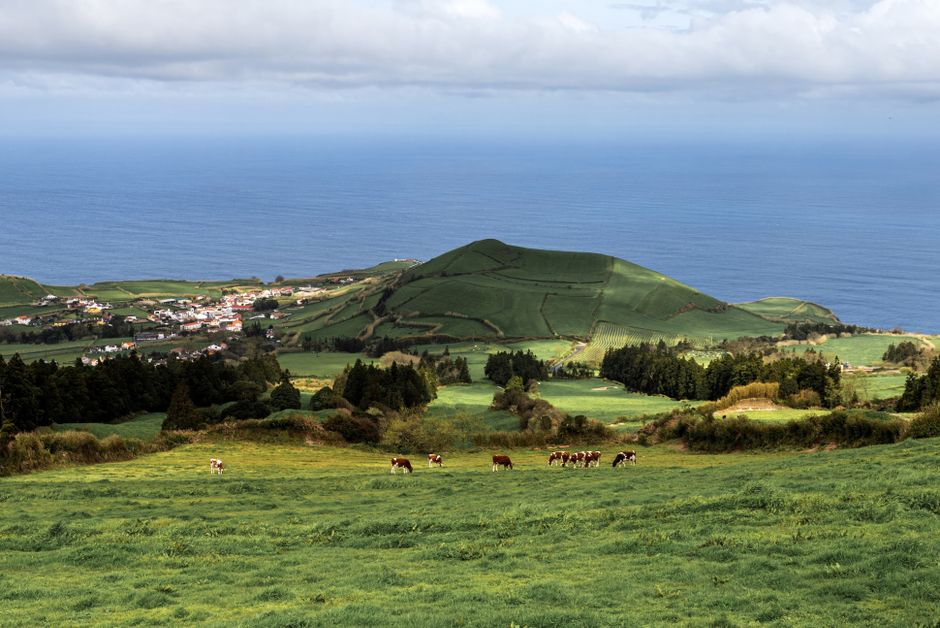
Cheese-making on São Jorge is as old as the settlement of the island. When the first colonists arrived in the fifteenth century they brought cattle, and in a place where steep terrain made large-scale cereal farming difficult, grassland and dairy farming became the natural way to live. Turning perishable milk into a hard cheese that could be stored and shipped was a necessity.
Later accounts often credit Flemish settlers, who reached the central Azores in the later fifteenth century, with shaping dairy know-how in the archipelago. How much of today's recipe comes from them is a matter of tradition as much as documentation, so it is safest to say that the cheese grew out of several centuries of local practice rather than from a single inventor. The firm, long-ripened style that people recognise as São Jorge today is generally dated to the nineteenth and early twentieth centuries, when dairy production became more organised and cooperatives and small factories started to appear.
The PDO: What the Name Protects
Queijo São Jorge is protected as a Denominação de Origem Protegida (DOP), the Portuguese form of the European Protected Designation of Origin (PDO). In plain terms, only cheese made on the island of São Jorge, following the rules of the specification, can carry the name. It is one of the best-known PDO food products of the Azores.
The key points of the specification, in general terms:
- Milk: raw (unpasteurised) cow's milk from cattle on the island. It is not a sheep's or goat's cheese, despite what some visitors expect from a "hard island cheese".
- Origin: production is limited to São Jorge, and the cheese is made within the designation area.
- Minimum maturation: the rules require a minimum curing period, commonly quoted as around three months, so a PDO São Jorge is never a fresh cheese.
- Control: the product is checked and certified before it can carry the PDO mark. Batches that do not meet the requirements may still be sold, but not under the protected name.
Exact figures can be updated, so consult the current official specification if you need them. For travellers: look for the PDO (DOP) marking on the label.
How It Is Made
The process is traditional and follows the same logic as other pressed, cooked-curd mountain-style cheeses, adapted to island conditions. Described in general terms:
- Milk: cows graze outdoors on pasture for much of the year thanks to the mild, humid climate. Milk is collected from farms across the island and brought to the dairies.
- Curdling: rennet is added to the warmed raw milk until it sets into curd.
- Cutting and heating: the curd is cut into small grains and gently heated, which expels whey and gives the cheese its firm, dense body.
- Pressing and moulding: the curd is packed into moulds and pressed so that it forms a compact wheel.
- Ripening: the wheels are stored in cool rooms for weeks or months, turned and brushed regularly, while the rind forms and the flavour develops.
A typical wheel is cylindrical and large: roughly 25 to 35 cm across, 10 to 15 cm tall, and often between 8 and 12 kg. The rind is natural and ranges from pale straw to golden-brown as the cheese matures.
Ageing: From Young to Very Mature
Ageing is where São Jorge becomes interesting. The same milk and the same recipe produce very different cheeses depending on time in the ripening room. Producers and shops tend to describe the cheese in broad stages, although the exact labels and months vary by dairy:
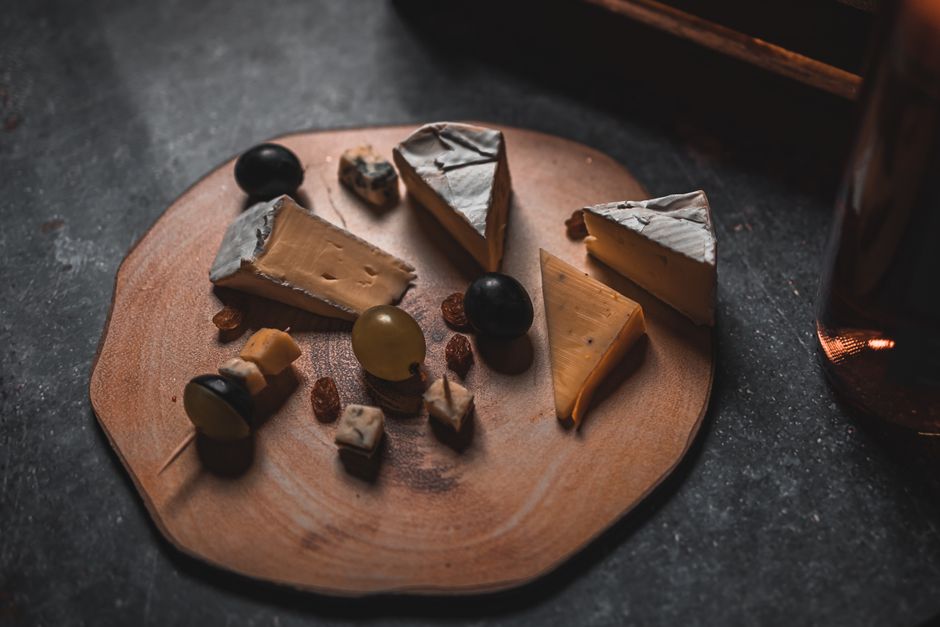
- Young or semi-cured: just past the minimum curing period. The paste is pale, supple, and mild, with a pleasant buttery quality and a gentle tang. Good for sandwiches, snacking and grilled dishes.
- Cured (medium-aged): several months older. The paste is firmer and more savoury, the flavour deeper and more rounded, and a light peppery sharpness appears.
- Well-aged or old: a year or more. The paste is hard, sometimes crumbly, with a deep golden colour, a more pronounced spicy bite and a long finish. Some special selections are aged for much longer; figures up to three years are often quoted.
Do not assume that older is better: it is a matter of preference and use. Younger wheels are friendly for a first taste, while mature ones are for people who like a strong cheese. Because labels differ, ask staff how long a particular wheel has been aged and taste before you buy.
How to Taste It
Take the cheese out of the fridge about half an hour before eating so that the aromas open up. Then work through it the same way you would a wine tasting.
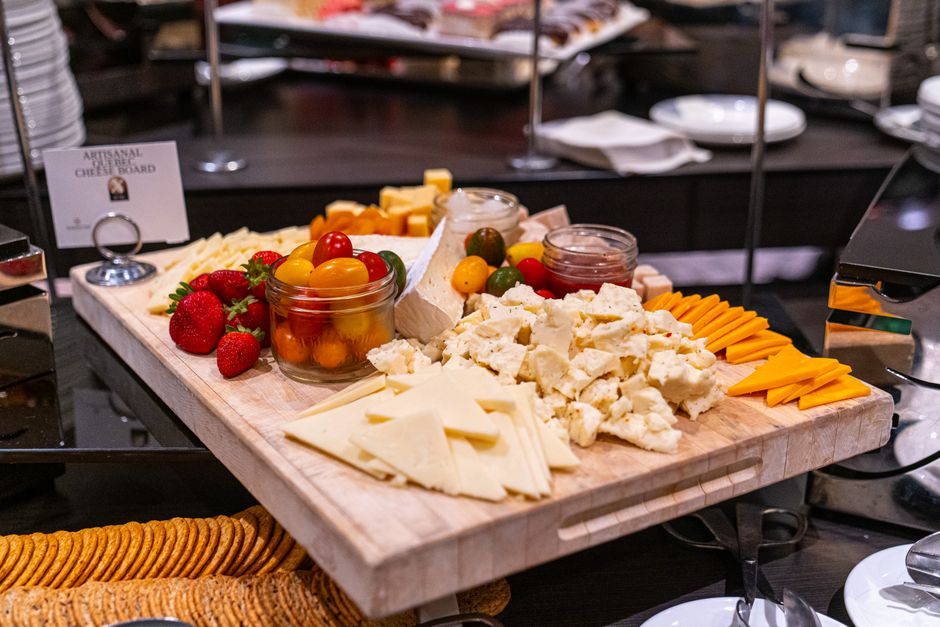
- Smell: expect a clean, dairy aroma with notes of butter, hay and, in older cheeses, a hint of spice.
- Taste: start with a small piece. Younger cheese is creamy and mild; older cheese shows a sharper, peppery spiciness that builds on the palate.
- Texture: supple and sliceable when young; dense and brittle when old. Tiny crystals in old wheels are normal and are usually considered a good sign.
The best way to understand ageing is to taste two or three stages side by side. Many shops and dairies are happy to offer a sample.
What to Eat and Drink With It
On the islands the cheese is eaten at every meal. At breakfast it is served with bread; as a petisco (appetiser) it comes in slices with local pepper sauce or fruit; and in cooked dishes it melts into sandwiches and toasties.
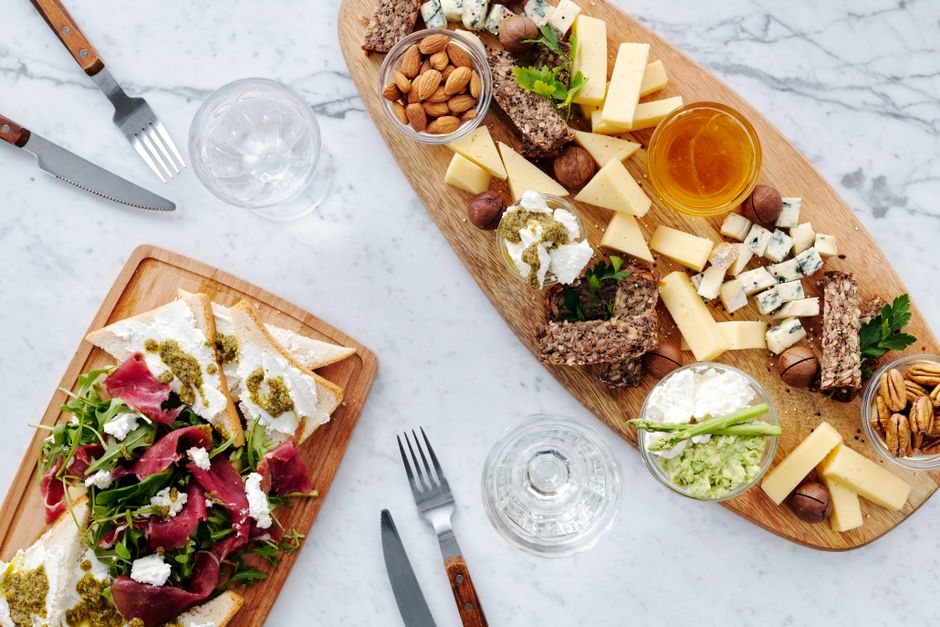
For drinks, a fruity or lightly oaked white wine suits younger cheeses, while red wines with some structure go well with mature ones. The Azores produce their own wines, notably on neighbouring Pico, which makes a natural pairing for the cheese; see our guide to Pico's UNESCO vineyards and volcano. For wider ideas, our Azorean cuisine guide covers other dishes worth trying alongside the cheese.
How to Buy and Transport It
You can buy São Jorge cheese in dairies, supermarkets, delicatessens, local markets and some airport shops. The wide range in quality and age is a good reason to ask questions.
- Check the label: look for the PDO (DOP) marking if you want the protected product, and ask about the age.
- Choose the size: wedges and vacuum-packed portions are easier to pack than a whole wheel. Many shops will vacuum-pack for travel.
- Taste first: especially for older cheeses, where flavour intensity differs a lot between wheels.
- Flying home: hard cheese generally travels well in checked luggage when vacuum-packed. Rules on carrying food vary between airlines and countries, particularly for entry into non-EU destinations, so check the current regulations before you travel.
For other edible souvenirs and where to find them, see our guide to Azores food markets and local products.
Where to Visit Producers on the Island
São Jorge is about 55 km long and only a few kilometres wide, so dairy country is never far away. The island is organised around a high central ridge with pastures on the plateau and steep slopes falling to the coast, and the coastal fajãs below. Production is spread across the island's municipalities, with Velas on the west and Calheta in the centre-south among the main towns, and Topo at the eastern end. Dairies and cooperatives are found in several villages rather than in one centre.
Some practical points for planning visits:
- Ask first: not every dairy is set up for tourists. Some offer visits or tastings, others only sell in a shop. Opening hours and visit arrangements change, so confirm locally, for example at the tourist office in Velas or Calheta, before making a special trip.
- Combine with the landscape: a road trip along the central ridge passes cows grazing in pastures with views of the neighbouring islands on clear days. Ask about a farm or cheese shop near wherever you are staying.
A cheese-themed day pairs well with walking one of the island's fajã trails. Our complete guide to São Jorge's fajãs explains which coastal settlements to explore, and many have cafés where you can try local cheese with bread. If you are planning a multi-island trip, the Azores Cheese & Dairy Trail shows how to compare São Jorge with the dairies of other islands.
Frequently Asked Questions
Is São Jorge cheese made from cow's, sheep's or goat's milk?
It is made from raw cow's milk from cattle raised on the island.
Is São Jorge cheese a PDO product?
Yes. It is protected as a DOP (PDO), which means that only cheese made on São Jorge under the specification can use the name.
How long is it aged?
There is a minimum curing period, commonly quoted as about three months. Many cheeses are aged longer, and special selections can mature for much longer. Labels differ by producer.
Can I visit a dairy?
Some producers welcome visitors and others do not. Check locally for current arrangements before travelling.
Is it safe to bring home?
Hard, aged cheese usually travels well when well wrapped, but import rules differ. Check your airline and destination rules before buying.
Final Thoughts
São Jorge cheese is a good example of how geography becomes flavour: salty air, rain-fed grass, a small island and centuries of practice, all in one dense golden wheel. Taste it young and old, ask questions in the shops, and let the landscape explain the product. Details such as visiting arrangements, labels and import rules change over time, so check current information before you go, and enjoy one of the Azores' most authentic edible souvenirs.