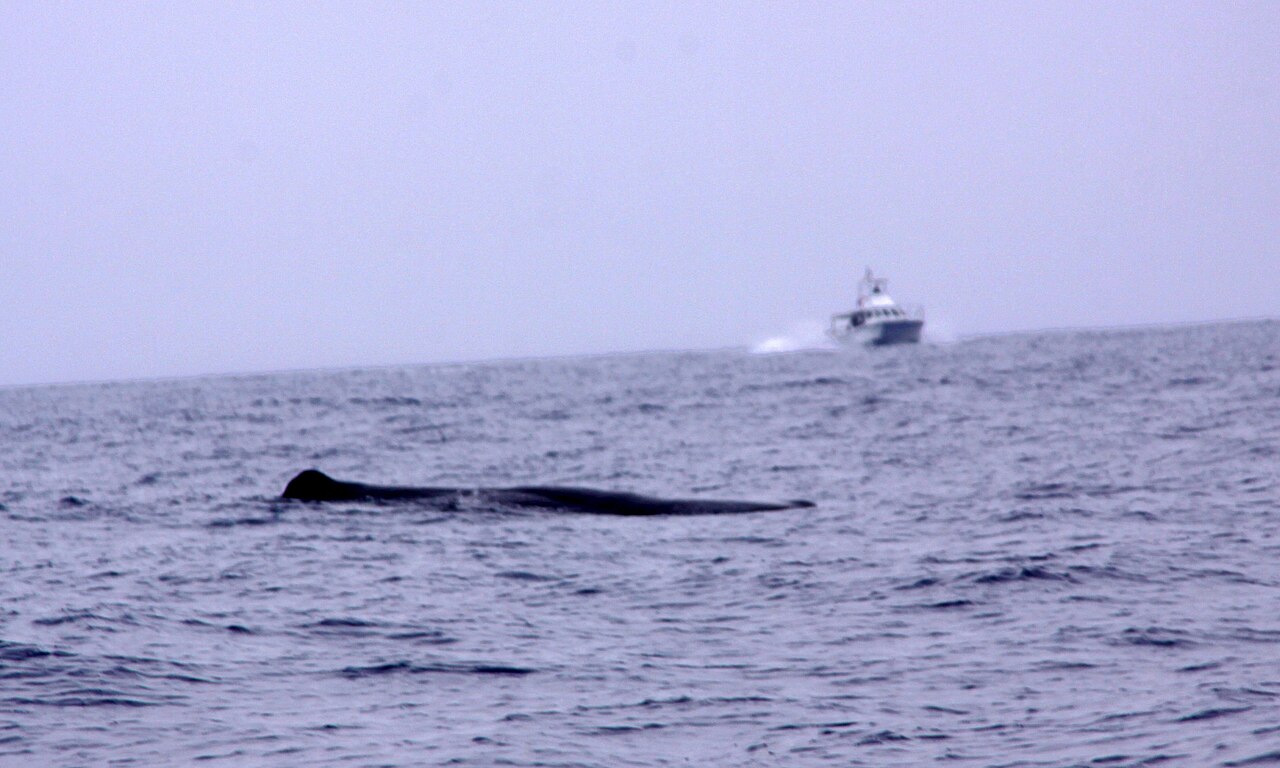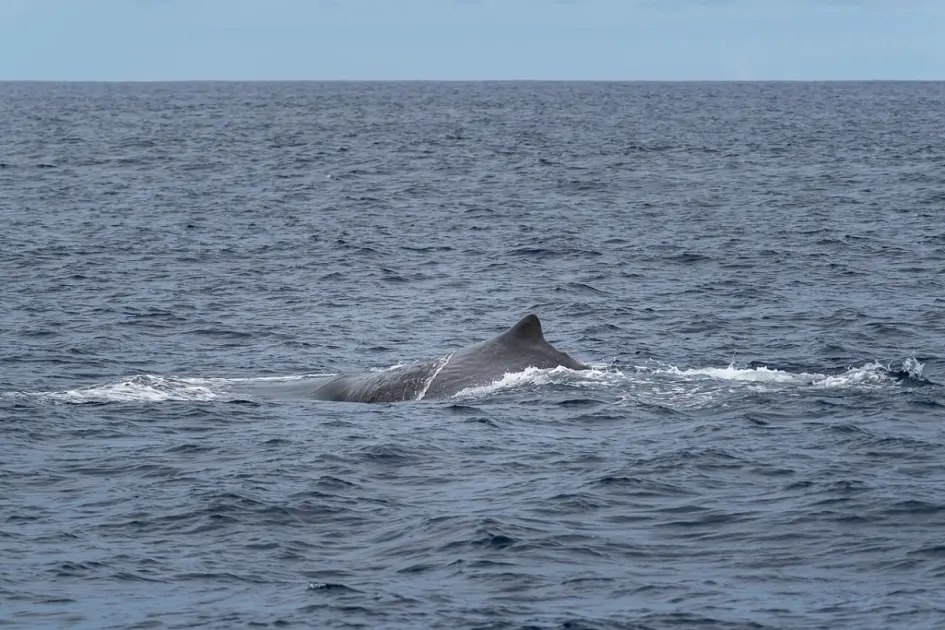
The Azores are one of the world's best destinations for cetacean watching. Over 28 species of whales and dolphins frequent these waters, making the archipelago a true marine sanctuary.
When to Go
The season runs from March to October, peaking between April and June. During this time, you can spot resident sperm whales and migratory baleen whales, including the majestic blue whale — the largest animal that has ever lived on the planet.
Common Species
- Sperm whale — resident year-round, the symbol of the Azores
- Blue whale — spotted in spring during migration
- Common dolphin — in groups of hundreds, often accompanying boats
- Bottlenose dolphin — curious and playful
- Pilot whale — frequently spotted in summer
Best Islands
Pico is the whale watching capital of the Azores, with a long whaling tradition converted to sustainable tourism. The Whalers Museum in Lajes do Pico tells this fascinating story.
Faial and São Miguel also offer excellent operators with marine biologists on board.
What to Expect
Trips generally last 2-3 hours. Land-based lookouts (former whaling watchtowers) communicate with boats by radio to guide them to the animals. The sighting rate in the Azores exceeds 95%.
Tips
Bring sunscreen, a hat, and a jacket — it's cooler at sea. If you suffer from seasickness, take preventive medication. Book in advance during peak season.