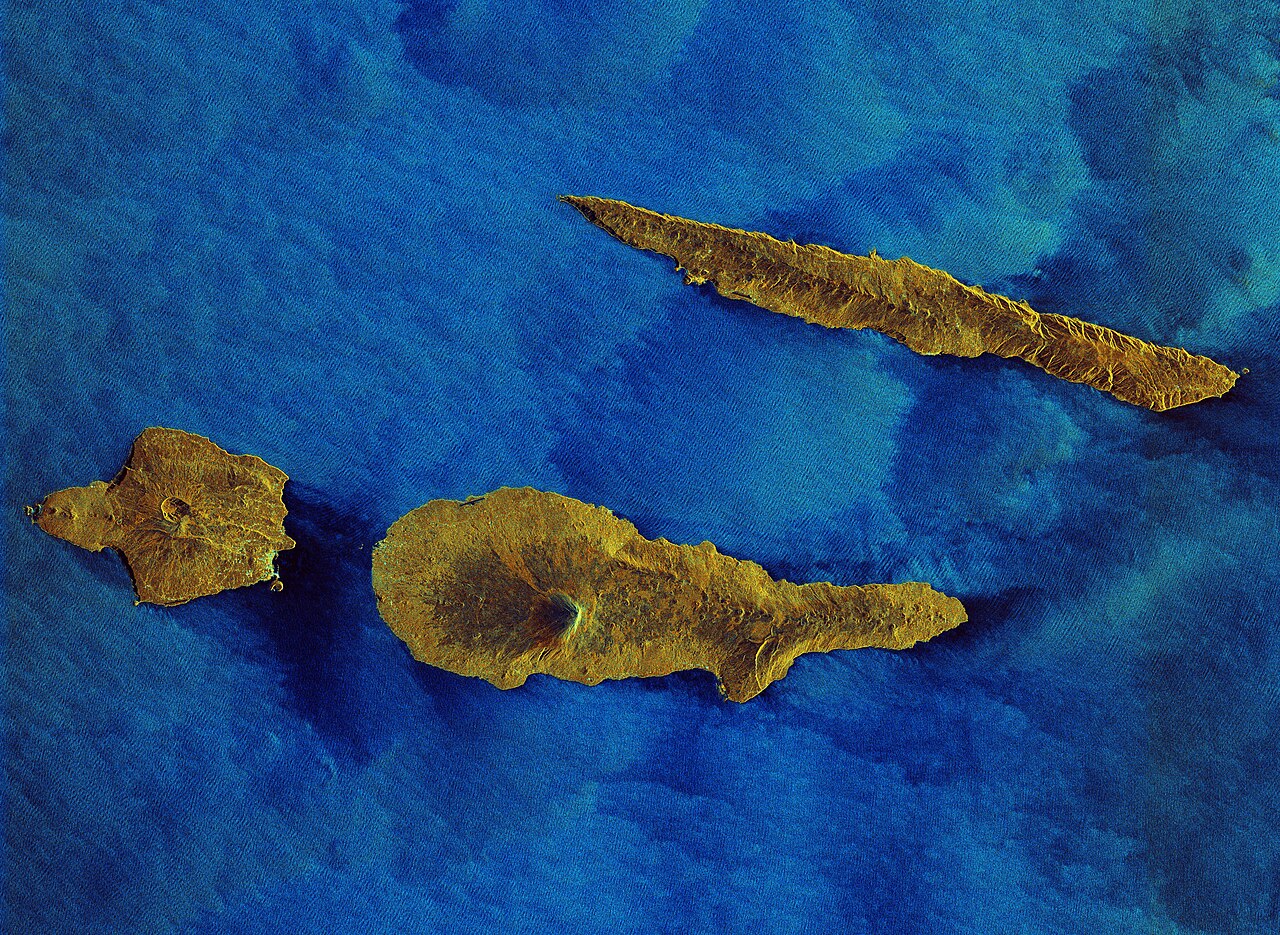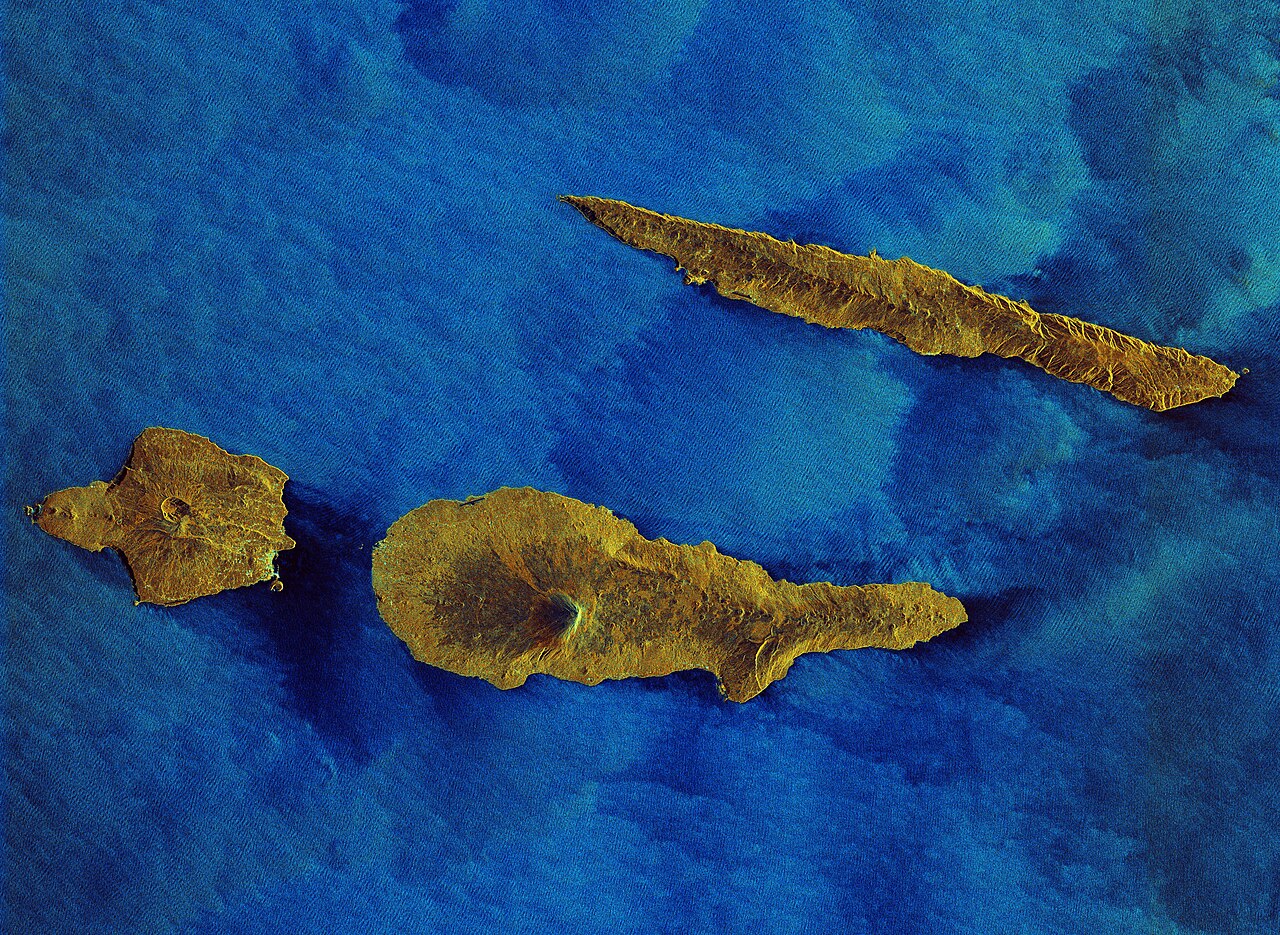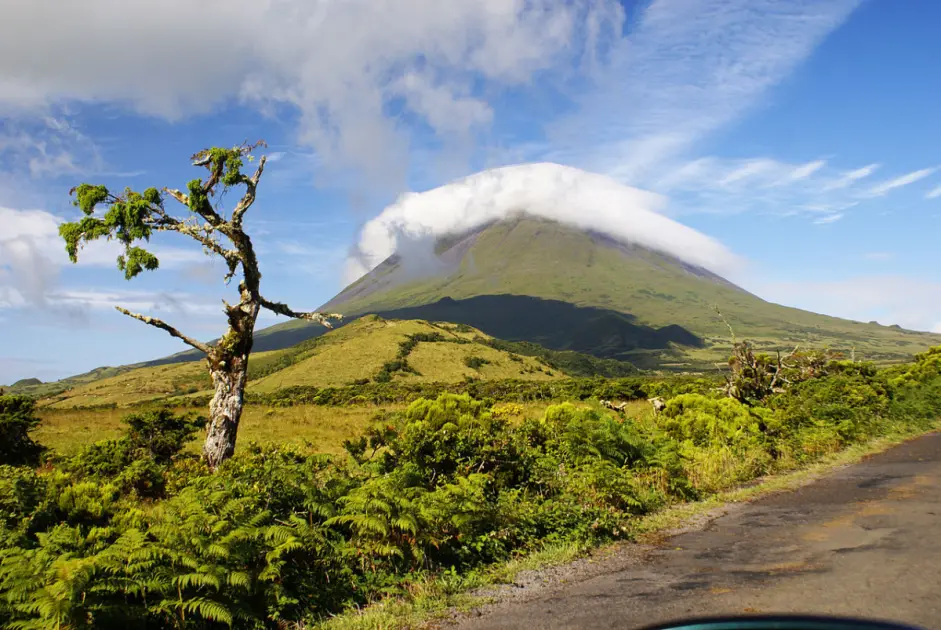
Pico is the Azores' most dramatic island — and Portugal's highest point. The 2,351-metre Pico volcano dominates every view and can be seen from all neighbouring islands on clear days. But Pico holds another treasure at sea level: its centuries-old vineyards, built within a network of low black basalt walls, were inscribed as a UNESCO World Heritage Landscape in 2004.
Pico Vineyards: A UNESCO World Heritage Landscape
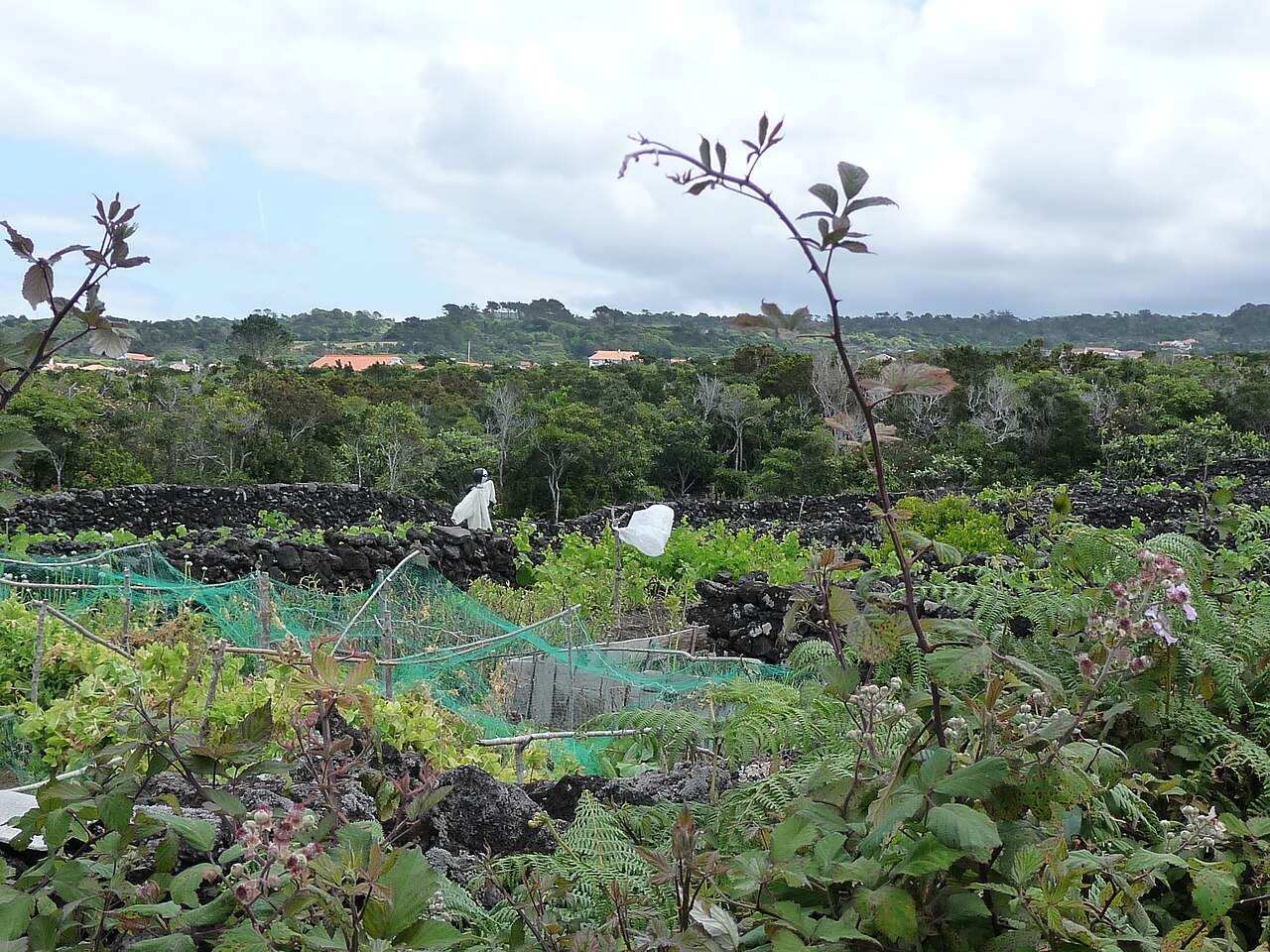
The Criação Velha Vineyards stretch along the southwestern coast, protected by a network of low basalt walls — the currais — covering more than 900 hectares. The walls shield the vines from Atlantic winds and reflect solar heat onto the grapes, creating a unique microclimate found nowhere else on Earth. The primary grape is Verdelho do Pico, an indigenous cultivar producing a dry white wine with an intense, slightly smoky aroma. In the 18th and 19th centuries, Pico's Verdelho was exported to European royal courts and Tsarist Russia.
Pico Wine Museum
Located in Madalena, housed in a 17th-century convent winery. Regular Verdelho tastings; admission €3. Local cooperative wineries offer guided tours by appointment.
Climbing Pico: Portugal's Highest Point
The ascent of Pico Mountain (2,351 m) takes 3–5 hours; descent 2–3 hours. Not technically difficult but physically demanding with unpredictable weather. Practical info: Licensed guide mandatory above 1,950 m. Access fee: €26 per person. Required: waterproof jacket, mountain boots, spare clothing, water, and food.
Whale Watching from Pico
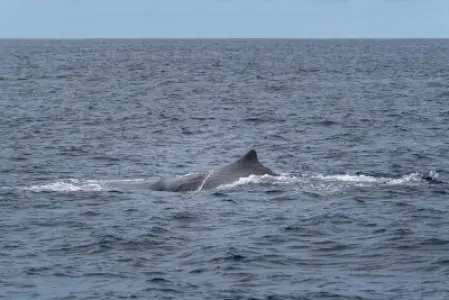
Pico is the whale watching capital of the Azores. The Whalers' Museum in Lajes do Pico is unmissable. Whale watching trips from Lajes and Madalena have sighting rates above 95% from April to October.
Faial-Pico Ferry Crossing
Only 8 km from Faial, the ferry crossing takes 30 minutes (~€8). Many visitors base themselves in Horta (Faial) and day-trip to Pico.
FAQ: Pico Island
Can I climb Pico without a guide?
No. Licensed guide mandatory above 1,950 m. Guides cost €50–€80 per person.
Best time to visit Pico?
July–September for the mountain climb. March–June for blue whale sightings. New wine presented in October.
Where to stay on Pico?
Madalena for most accommodation options. Lajes do Pico for whale watching. Rural tourism in UNESCO vineyards for an unforgettable stay.
Can I buy Verdelho outside the Azores?
Yes, in specialist wine shops and online. On Pico, buy direct from cooperative wineries in Madalena and Lajes. Prices from €8–€12.
Other activities on Pico?
Diving and snorkelling with exceptional visibility, kayaking in the fajãs, lava cave visits, and sport fishing.