Celebrating Christmas and New Year in the Azores means experiencing traditions that have largely vanished from mainland Europe. The Portuguese archipelago has preserved centuries-old customs — from pre-dawn Advent masses to medieval door-to-door singing groups — alongside a profound community spirit that makes the festive season here genuinely unlike anywhere else in the Atlantic world.
Advent: Missas do Parto
For nine consecutive mornings before Christmas Day, parish churches across all nine islands hold Missas do Parto (Dawn Masses) at 6 or 7am. This 17th-century Iberian tradition has survived in the Azores with a vitality rarely found in contemporary Europe. Communities gather in lit churches while the rest of the island sleeps — an experience of collective intimacy that defines the Azorean festive spirit.
Nativity Scenes (Presépios)
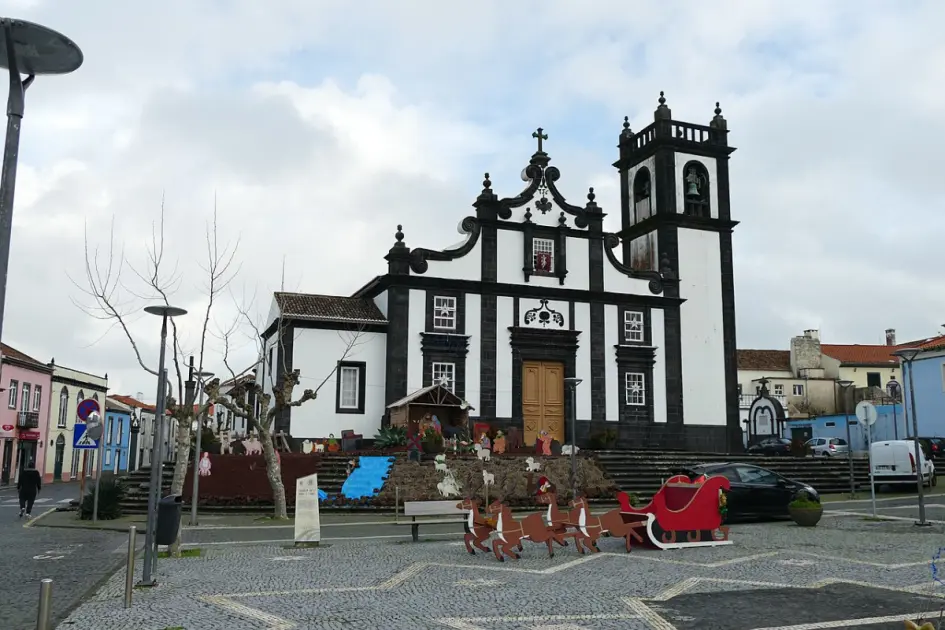
Nativity scenes are a deep passion in the Azores. Churches and private homes display elaborate presépios, some with figures passed down through generations. Living nativity scenes — with real people playing the roles — continue in several São Miguel villages. In Terceira, Angra do Heroísmo's church nativity scenes include 18th-century pieces of genuine historical value.
Christmas Eve: The Consoada
The Consoada — Christmas Eve supper — is the most sacred moment of the Azorean festive calendar. By tradition, the meal centres on bacalhau com todos: salt cod boiled with potatoes, cabbage, and chickpeas, dressed with olive oil and garnished with hard-boiled eggs. This dish is so deeply embedded in local identity that Azorean emigrants in Canada and the United States reproduce it faithfully when returning home for Christmas. After supper, families attend the Missa do Galo (Midnight Mass).
Christmas Sweets
- Filhós: Fried dough dusted with sugar and cinnamon — the most iconic Azorean Christmas sweet
- Cavacas: Crispy sugar-glazed biscuits from Ribeira Grande, São Miguel
- Broas de mel: Molasses, spice, and dried fruit biscuits, prepared weeks in advance
- Rabanadas: Azorean French toast, fried in olive oil with sugar and cinnamon
- Arroz doce: Rice pudding decorated with cinnamon in geometric patterns
The "Janeiras" — A Living Medieval Tradition
One of the most distinctive Azorean traditions is the Janeiras: groups of singers who tour villages in the first weeks of January, stopping door to door to perform traditional songs in exchange for food, drink, or donations to local charities. Rooted in medieval Iberian custom, this tradition is alive and celebrated across all nine islands.
Each island — and often each village — has its own Janeiras songs, passed down orally through generations. In São Jorge, groups of 20–30 singers are common. Residents leave lights on as a signal that they welcome the singers. The tradition lasts until Epiphany (6 January).
New Year's Eve Fireworks
Ponta Delgada (São Miguel) stages 20+ minutes of fireworks over the waterfront harbour. Angra do Heroísmo (Terceira) launches fireworks from the UNESCO-listed Praça Velha. In Horta (Faial), the legendary Peter Café Sport — a trans-Atlantic sailors' bar open since 1918 — hosts the island's New Year countdown, with champagne and fireworks over the marina.
Christmas Decorations
Azorean Christmas decorations maintain a strong connection to local nature: dried hydrangeas, laurisilva forest moss, ferns, and holly adorn churches and homes. The street illuminations of Angra do Heroísmo are considered among Portugal's most beautiful, transforming the UNESCO historic centre into tunnels of light that complement the Baroque architecture.
Practical Tips
- Book flights and accommodation well in advance — the festive season sees significant return travel by diaspora Azoreans
- Seek village accommodation for a more authentic experience beyond the island capitals
- Ask hosts about local Janeiras schedules — many groups post their routes on social media
- Restaurants often close on Christmas Eve — book in advance or choose accommodation with a kitchen
- December–January weather is cool and occasionally rainy (10–15°C) — pack layers
FAQ: Christmas and New Year in the Azores
Is it worth visiting the Azores at Christmas?
Yes, particularly for travellers seeking an authentic Christmas away from over-commercialisation. Local traditions, Azorean hospitality, and the beauty of the islands in winter — with more waterfalls and lush green landscapes — make this a genuinely special time to visit.
What are the "Janeiras" in the Azores?
The Janeiras are groups of singers who tour villages in early January, performing traditional songs door to door. This medieval tradition remains alive on all nine islands, particularly in São Jorge, Terceira, and Pico.
What is the traditional Christmas food in the Azores?
The Christmas Eve supper (Consoada) centres on bacalhau com todos — salt cod with potatoes, cabbage, and chickpeas in olive oil. Christmas sweets include filhós, broas de mel, rabanadas, and arroz doce.
Where are the best New Year's Eve fireworks in the Azores?
Ponta Delgada (São Miguel) and Angra do Heroísmo (Terceira) have the most spectacular displays. In Horta (Faial), celebrating New Year's Eve at the Peter Café Sport is a unique tradition.
Are shops and restaurants open during Christmas in the Azores?
Most shops and many restaurants close on 25 December and on Christmas Eve evening. Trading gradually resumes from 26–31 December. Always reserve restaurants in advance during the festive period.