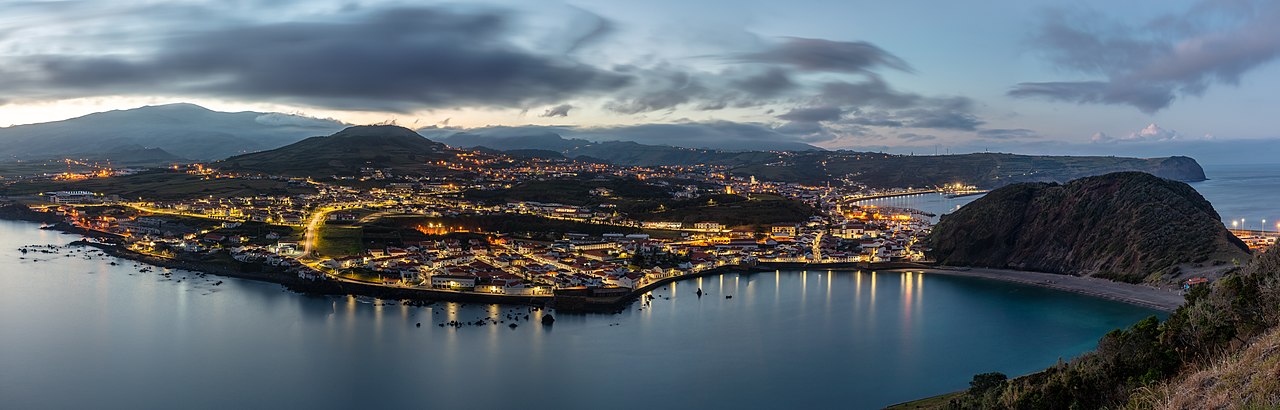
The Azores are one of Europe's most fascinating — and most challenging — photography destinations. Atlantic light, volcanic mist, blue hydrangeas lining the roads in June, emerald-green lakes inside craters: every bend in the road hides an image that seems impossible. This guide is built on field experience and the insights of landscape photographers who work regularly in the archipelago.
Understanding Azores Light
Light in the Azores is unlike anywhere else in Europe. Ocean proximity creates a soft, diffuse light quality even on intensely sunny days, with fast and unpredictable changes.
- Morning golden hour: 30 min before to 1 hour after sunrise — mist in calderas, side light on vineyards, lake reflections
- Afternoon golden hour: 1–2 hours before sunset — warm light on cliffs, long shadows on volcanic landscapes
- Overcast days: ideal for waterfalls, caves, and forests — diffuse light eliminates harsh shadows and enhances greens
- Post-rain: 30–60 minutes after a shower are often the best moments — clean sky, glistening vegetation, rainbows over volcanoes
São Miguel — Endless Perspectives
Lagoa das Sete Cidades
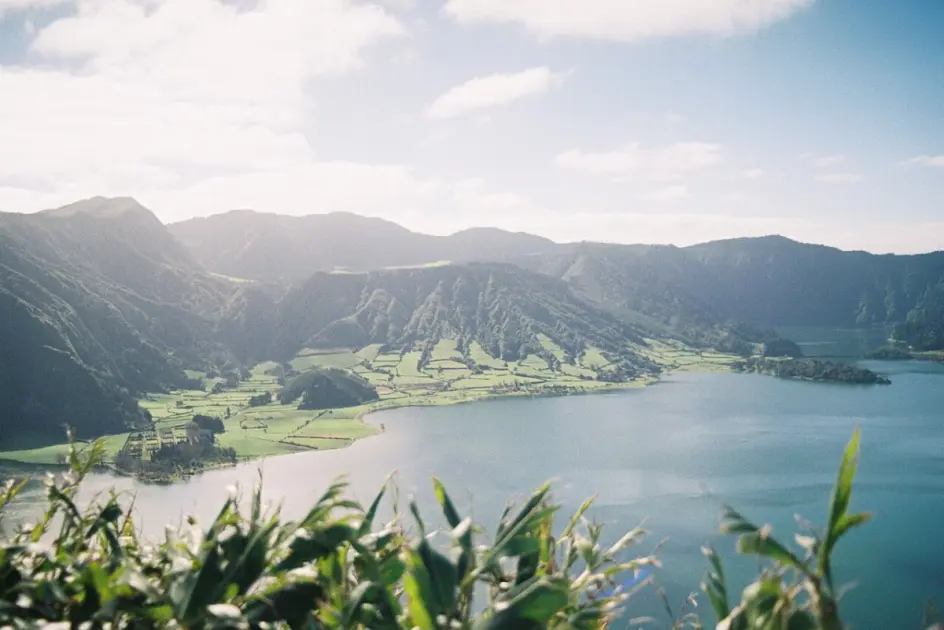
The Azores' most iconic photography location. The view from Miradouro da Boca do Inferno or Miradouro do Pico do Ferro over the twin lakes — Lagoa Azul and Lagoa Verde — is extraordinary at dawn when mist fills the caldera. Arrive at least 45 minutes before sunrise to secure your position.
Recommended gear: wide-angle (16–24mm), tripod, GND filter to balance sky and foreground.
Lagoa do Fogo
São Miguel's wildest lake, with no visible tourist infrastructure from the main viewpoint. Best in late afternoon with side light. The hiking trail to the lake shore (45 minutes) allows unique water-level perspectives.
Furnas Calderas
The fumarole field on the shore of Lagoa das Furnas is a surreal photography location: steam rising from the earth, sulfur colors, the landscape reflected in the lake below. Best at early morning with low light and maximum steam.
Pico — Scale and Minimalism
The Pico Volcano at Dawn and Dusk
Pico volcano (2,351 m) viewed from neighboring islands — especially Faial — is one of the most powerful images in the Azores. On Pico itself, the north coast (Cachorro area) offers the volcano emerging from coastal mist on summer mornings. Cachorro also features black lava formations creating magnetic abstract compositions.
UNESCO Vineyards (Criação Velha)
Black basalt currais against blue ocean are among the Azores' most unique compositions. Late afternoon golden light creates textures in the basalt stones and shadows in the enclosures. Drone aerial photography (ANAC license required) reveals the full geometric pattern of this classified landscape.
Flores — The Landscape Photographer's Island
Flores is frequently described as the Azores' most spectacular photography destination. In just 143 km², the island concentrates some of Europe's most dramatic scenery:
- Fajã Grande waterfall (Miradouro do Rocio): a 300-meter cascade falling directly into the ocean
- Caldeira Funda and Caldeira Rasa: cobalt-blue lakes inside volcanic craters, accessible by trail
- Poço da Ribeira do Ferreiro: multi-level waterfall in an intensely green valley, most impressive after rain
- Miradouro do Portal: panoramic view of the north coast with sea stacks — best in late afternoon
Best time to photograph Flores: May–June, when blue hydrangeas are in full bloom and waterfalls are at maximum flow.
Faial — Between the Caldeirão and Capelinhos
Vulcão dos Capelinhos
The Capelinhos Volcano, which emerged from the sea in 1957–58, created a moonscape of ash and lava. Late afternoon light turns the ash warm shades of orange and ochre. The historic lighthouse half-buried by ash is a powerful compositional element.
Essential Gear for Photographing in the Azores
- Sturdy tripod: indispensable — Atlantic winds are strong and unpredictable
- Wide-angle lens (16–35mm): essential for landscapes and caldera interiors
- Telephoto (70–200mm): for cetaceans, birds, and distant volcano details
- GND and polarizer filters: to balance high-contrast exposures
- Rain protection: for camera and bag — sudden rain is common
Frequently Asked Questions
When is the best time to photograph the Azores?
May–June is most popular: hydrangeas in bloom, full waterfalls, lush vegetation, and long days. September offers cleaner skies and calmer seas. For winter photography, January–February offers dramatic mist and zero tourists.
Is a drone license required in the Azores?
Yes. ANAC (Portugal's Civil Aviation Authority) regulates drone use throughout Portugal including the Azores. Some protected areas have additional restrictions. Consult ANAC regulations before flying.
What are the best weather apps for the Azores?
Windguru and Windy are most used by local photographers to predict clear-sky windows. Azores weather changes rapidly — a cloudy morning can give way to a sunny afternoon. Patience is the most important piece of equipment.
Conclusion
The Azores reward the patient, early-rising photographer. With nine islands, each with a distinct visual personality, the archipelago offers a virtually inexhaustible archive of unique images. Explore the best hiking trails in the Azores to reach photography locations inaccessible by road, and combine your photography trip with a romantic escape for two.