Packing for the Azores is unlike packing for most European destinations. The archipelago sits in the middle of the North Atlantic, where weather systems move fast and unpredictably. A single day can cycle through blazing sunshine, dense mountain fog, sideways Atlantic rain, and a warm, still evening — sometimes within the same hour. Getting your packing list right is one of the most important preparations you can make before travelling to these Portuguese islands. This guide covers everything you need to bring to the Azores, from layered clothing and rain gear to hiking essentials and photography equipment, for every season.
Understanding Azores Weather by Season
The Azores experience a temperate oceanic climate (Köppen classification: Cfb), with mild temperatures year-round and no true dry season. Average annual rainfall on São Miguel — the largest island — reaches 1,720 mm according to IPMA (Portugal's national meteorological authority). Temperatures range from a minimum of 13°C in winter to a maximum of around 26°C in summer. The biggest variable is not temperature but the combination of Atlantic wind, rain, and mountain fog that can change the experience of any given day dramatically.
- Spring (March–May): 14–19°C. Hydrangeas in bloom, fewer crowds, very lush and green. Expect alternating sunshine and rain. A good waterproof jacket is non-negotiable.
- Summer (June–August): 20–26°C. July and August are the driest months, though sudden showers remain possible at any time — especially in the island interiors and at altitude.
- Autumn (September–October): 18–23°C. Often the most beautiful and stable month is September. Golden light, fewer tourists, sea still warm. October brings more instability.
- Winter (November–February): 13–17°C. Atlantic storms, persistent rain, and strong winds are more frequent. Trails are empty, landscapes are vivid, and the islands feel raw and authentic.
The Layering System: Your Core Strategy
The single most effective approach to packing for the Azores is the three-layer system. You may start a morning hike in sunshine, hit a fog bank by midday, and be caught in a rain shower before returning. Layers allow you to adapt in seconds rather than rummaging through a bag.
Base Layer — Technical Fabrics
Choose moisture-wicking fabrics that pull sweat away from your skin. Merino wool is the gold standard: it regulates temperature across a wide range, resists odour (vital for multi-day island-hopping), and dries relatively quickly. Synthetic polyester is a lighter and cheaper alternative. Avoid cotton as a base layer — it absorbs moisture and takes hours to dry, creating a hypothermia risk at altitude (critical on Pico, at 2,351 m).
- 2–3 long-sleeve technical tops
- 2–3 short-sleeve technical tops
- 1–2 pairs of hiking trousers or convertible zip-off trousers
- Thermal leggings for winter travel
Mid Layer — Insulation
A medium-weight fleece or wool jumper is essential even in summer. Mornings on the islands are cool, and inter-island ferry crossings can be genuinely cold on the exposed deck. For winter visits, add a packable down jacket (700+ fill power) that compresses into its own pocket for portability.
- 1 medium-weight fleece or wool mid-layer
- 1 packable down jacket (winter or Pico ascent)
Outer Layer — Rain and Wind Shell
This is the layer you will use most. See the full section below.
Rain and Wind Protection
If you pack only one thing for the Azores, make it a quality waterproof and windproof jacket. Not a disposable emergency poncho — a proper breathable shell with a helmet-compatible hood, taped seams, and pit-zip vents. Rain in the Azores is often horizontal, driven by Atlantic gales, which makes ponchos practically useless in any real weather.
What to Look For in a Rain Jacket:
- Waterproof breathable membrane: Gore-Tex, eVent, or equivalent. Breathability matters — on an active hike, a non-breathable shell becomes a portable sauna.
- Taped seams: All seams should be fully sealed. This is where most budget jackets fail under sustained rain.
- Adjustable hood: With a stiffened brim and peripheral vision. Azores winds demand a hood that stays in place.
- Weight: Under 500 g is ideal for a day pack.
Additional rain protection items worth packing:
- Lightweight waterproof trousers: For high-mountain trails and heavy rain days.
- Gaiters: Protect trouser legs from Azores mud — trails can be very wet after rainfall.
- Pack rain cover: To protect camera gear, documents, and dry clothes inside your daypack.
Footwear: From Trails to Thermal Pools
Footwear is arguably the most critical packing decision for the Azores. The trails here feature wet basalt rock, mossy volcanic surfaces, and soft, muddy earth after rain. Running shoes or casual trainers can be genuinely dangerous on these surfaces.
Waterproof Hiking Boots
Your primary investment. Look for boots with a Vibram sole or equivalent high-traction outsole, Gore-Tex waterproofing, and ankle support. The waterproofing is critical — trails stay saturated and morning dew soaks the grass even after a dry night. Well-regarded options for the Azores include the Keen Targhee series, Salomon X Ultra 4, and Merrell Moab 3 Waterproof.
Rubber Sandals or Water Shoes
Essential for the thermal pools and natural lava swimming areas. The Biscoitos natural pools on Terceira and the geothermal pool at Terra Nostra in Furnas have uneven rocky surfaces. Rubber-soled sandals with grip are the practical choice.
Casual Shoes
For evenings in Ponta Delgada or Angra do Heroísmo, a lightweight pair of trainers rounds out your footwear needs without adding significant weight.
Hiking and Mountain Essentials
The Azores has over 200 marked hiking trails (PRCN network) across the nine islands. Even popular routes like the Sete Cidades circuit or Lagoa do Fogo trail can become challenging in adverse conditions. For the Pico ascent (2,351 m) — the highest peak in Portugal — preparation must be thorough: summit temperatures can be 10–15°C colder than at sea level and winds can exceed 80 km/h. The mountain authority requires all climbers to carry specific equipment before granting access.
Hiking Essentials Checklist:
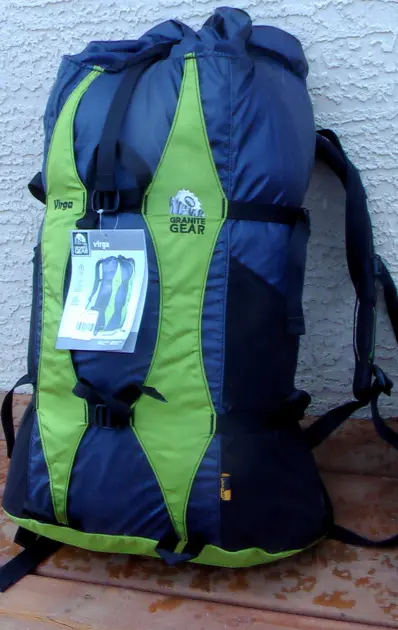
- Daypack (20–30 L): With back support, chest and hip straps. Look for a hydration bladder sleeve. The Osprey Daylite Plus and Deuter Speedlite 20 are popular choices among Azores trekkers.
- Water (1.5–2 L per half day): Tap water is safe to drink on most islands. Refillable bottles or a hydration bladder reduce plastic waste.
- Trekking poles: Particularly useful on steep descents and slippery terrain. Most compact models fit in carry-on luggage.
- Offline maps: Mobile signal is unreliable at altitude. Download AllTrails or Komoot maps in offline mode before leaving your accommodation.
- Compact first-aid kit: Plasters, gauze, antiseptic cream, pain relief, blister tape. Add motion sickness tablets if boat trips are in the itinerary.
- Buff or warm hat: Wind chill at altitude and on inter-island ferries is significant even in summer.
- Lightweight waterproof gloves: For winter travel or the Pico ascent at any time of year.
- Sunscreen SPF 50+: The Atlantic sun, amplified by reflection off the ocean and white-painted buildings, is deceptively strong even on overcast days.
- Polarised sunglasses: Essential for ocean glare, trail use, and landscape photography.
- Headlamp: For early-morning whale watching departures, pre-dawn Pico ascents, or exploring volcanic lava tubes.
Photography Gear for the Azores
The Azores consistently rank among Europe's top landscape photography destinations. The twin lakes of Sete Cidades, the fuming caldeiras of Furnas, the UNESCO-listed Pico vineyards, dolphins surfing bow waves — every angle offers a compelling image. But the Atlantic environment presents real challenges: persistent wind, high humidity, rapidly changing light, and salt spray near the coast. The right gear makes all the difference.
For Mirrorless and DSLR Photographers:
- Wind-resistant tripod: Azores wind can ruin any long exposure. Choose a tripod with a centre hook to hang your camera bag as ballast. Carbon fibre models offer the best strength-to-weight ratio. Gitzo, Manfrotto, and Peak Design tripods are commonly used in the field here.
- ND filters (neutral density): Essential for silky waterfall shots, long-exposure ocean photography, and lagoon reflections in daylight. An ND4/ND8/ND64 set covers most scenarios.
- Circular polariser: Cuts reflections on water, deepens the colour of the sky and lagoons, and dramatically improves shots of the Sete Cidades lakes and coastal scenes.
- Camera rain sleeve: An inexpensive but invaluable piece of kit. Mountain fog and sea spray can damage lens elements and camera electronics without direct rainfall.
- Spare batteries (at least 2 per camera): Cold, wind, and heavy use drain batteries faster than in warm, still conditions. Always carry spares.
- Extra memory cards and a portable hard drive: For daily backups in a destination this photogenic. A corrupt card with no backup is a traveller's nightmare.
For Smartphone Photography:
- High-capacity power bank (20,000 mAh): Heavy camera use, GPS navigation, and social sharing drain phone batteries rapidly on full-day hikes.
- Compact phone tripod: For night shots, group photos, and timelapse sequences of the changing Azorean sky.
- Clip-on lenses: Wide-angle and macro clip lenses significantly expand smartphone camera capabilities for landscape and nature shots.
Season-by-Season Packing Checklist
Spring (March–May)
Focus on versatility. The full layering system is essential, as are quality waterproofs and hiking boots. Spring is prime waterfall season — trails are well-watered and flow rates are at their peak. The hydrangeas, camellias, and azaleas create extraordinary photography opportunities.
- Full layer system (base + mid + shell)
- Waterproof hiking boots + rubber sandals
- ND filters for peak waterfall flow
- Swimsuit for thermal pools
Summer (June–August)
Pack lighter but never ditch the waterproof. Sea temperatures reach 22–24°C, making swimming, snorkelling, and diving genuinely comfortable.
- Lightweight rain jacket (always in daypack)
- Short-sleeve shirts + one long-sleeve top
- Convertible hiking trousers + shorts
- Dark-coloured swimsuit (iron-rich thermal waters stain light fabric permanently)
- SPF 50+ sunscreen and polarised sunglasses
Autumn (September–October)
The golden season. September delivers the most stable weather and extraordinary afternoon light. The sea is still warm, the trails are quieter, and the colours are rich.
- Full layer system
- Quality waterproof jacket
- ND filters and polariser (autumn light is exceptional)
- Swimsuit (sea still 22–23°C in October)
Winter (November–February)
The most adventurous season. Empty trails, vivid landscapes, occasional storm drama. Cold is moderate but wind and rain can be relentless.
- Packable down jacket + fleece + waterproof shell
- Waterproof gloves and warm hat
- Robust waterproof hiking boots
- Thermal base layers
- Motion sickness medication (winter seas can be rough on ferry crossings)
Must-Have Extras
- Power adapter: The Azores uses Type F sockets (standard EU). Travellers from the UK, USA, Brazil, and other regions need a plug adaptor.
- Travel insurance with outdoor activity cover: Verify your policy covers hiking, diving, canyoning, and altitude activities before you travel.
- Packing cubes: The multi-layer approach to Azores packing makes organisation critical. Cubes save significant time when reorganising for daily activities.
- Microfibre towel: Lightweight, fast-drying, and essential for natural swimming pools where hotel towels cannot travel.
- Intensive skin moisturiser: Atlantic wind and humidity are surprisingly drying on skin and lips — more than most travellers expect.
- Dry bag or waterproof pouch: For documents, phone, and camera on boat excursions or in heavy rain.
Frequently Asked Questions
Can I visit the Azores with only carry-on luggage?
Yes, easily for trips up to 10 days. The key is the layering system — multiple thin, versatile pieces instead of heavy individual items — combined with quick-dry fabrics and a lightweight waterproof. A 40–44 L carry-on backpack comfortably holds a week-plus of Azores-ready kit.
Do I really need a waterproof jacket even in summer?
Yes, without question. Even in July and August — the driest months — the Azores can produce sudden showers, particularly in island interiors and at altitude. Weather changes in minutes and being caught without a waterproof can ruin a hiking or photography day.
What swimsuit should I bring for the thermal pools?
Bring an older swimsuit or one you do not mind staining. The iron-rich thermal waters — particularly at the famous Terra Nostra pool in Furnas, heated to 35–40°C — permanently stain light-coloured fabric a reddish-brown. Experienced Azores travellers keep a dedicated dark swimsuit for thermal pools only.
Do I need special boots to climb Pico?
Yes. For the ascent of Monte Pico (2,351 m) — the highest mountain in Portugal — robust waterproof hiking boots with a high-grip sole are mandatory. The mountain access authority enforces equipment requirements. The climb takes 3–5 hours one way and summit conditions can include freezing temperatures and winds above 80 km/h at any time of year.
Is underwater photography gear worth bringing to the Azores?
If diving or snorkelling is on your itinerary, absolutely. Azores waters offer exceptional visibility — 30–40 m on calm days — and extraordinary marine life including dolphins, manta rays, and whale sharks. An action camera such as a GoPro, or a waterproof housing for your smartphone, will capture experiences that stay with you long after the trip.