The Azores are one of Europe's most rewarding family destinations — a volcanic archipelago where children encounter real whale watching, volcanic calderas that bubble and smoke, geothermally heated natural pools, and one of the world's most dramatic lake landscapes. São Miguel is the best island for families thanks to its size, accessibility, and concentration of attractions, but every island in the group offers something memorable for younger travellers.
Whale and Dolphin Watching
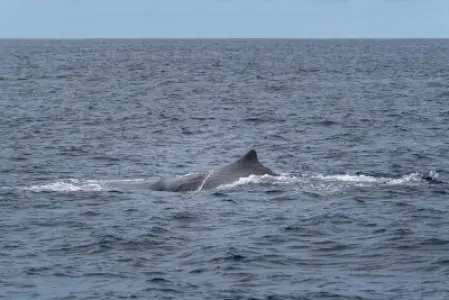
Few experiences match seeing a sperm whale breach in the wild. The Azores host over 28 cetacean species year-round, and professional operators report sighting rates above 95%. Tours run 2–3 hours with marine biologists on board who explain animal behaviour in terms children understand. Common dolphins — often appearing in pods of hundreds alongside the boat — are guaranteed crowd-pleasers. Book early in peak season (April–September). For families with young children, catamarans offer superior stability to rigid inflatables.
Natural Pools and Lava Rock Pools
The Azores' natural pools are ideal for families. Biscoitos pools on Terceira are a network of lava rock formations where Atlantic water fills sheltered swimming areas safe for all ages (entry approximately €2). On São Miguel, the Ferraria natural pools are geothermally heated — a genuinely unique experience children never forget. Families with toddlers tend to prefer Porto Pim on Faial, where the horseshoe bay creates calm, shallow water.
Terra Nostra Park, Furnas
Terra Nostra Park in Furnas is one of São Miguel's unmissable family stops. Its famous thermal pool — iron-rich, reddish-brown water naturally maintained at 35–40°C — is a singular experience. The surrounding 4-hectare botanical garden features century-old trees, exotic plants, and streams perfect for afternoon exploration. Entry is approximately €15 for adults and €8 for children. Combine it with lunch at one of the Furnas restaurants serving Cozido das Furnas — stew slow-cooked underground for six hours, a story children find genuinely fascinating.
Sete Cidades: Twin Lakes and Viewpoints
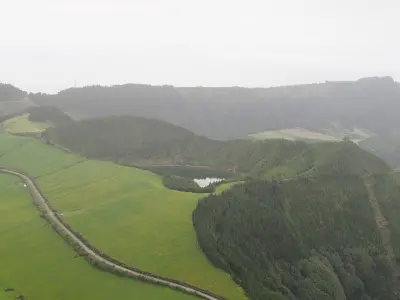
The twin-lake crater of Sete Cidades — one lake blue, one green, divided by a stone bridge — is among the most visually dramatic landscapes in Europe. The Vista do Rei viewpoint is accessible by car and the view is immediately arresting for children and adults alike. Older children can tackle the 12-kilometre circular trail around both lakes. In summer, rowing boats and canoes are available for hire at the lakeside.
Furnas Caldeiras: Live Volcanology
Walking among the bubbling, steaming caldeiras beside Furnas Lake is a free, open-air science lesson. The boiling mud pools, sulphur vents, and the dramatic smell make an indelible impression on children of all ages. Paths are flat and accessible, making this suitable even for pushchairs. It is an outstanding opportunity to discuss plate tectonics and Earth's internal heat in a way that is genuinely visible and tangible.
António Borges Botanical Garden, Ponta Delgada
Built in 1858, the António Borges Garden features tunnels and grottos covered in tropical vegetation — an instant hit with children. Located in central Ponta Delgada, it has a playground, rare plant species, and is entirely free to enter. It makes an excellent morning excursion before lunch in the city.
Gorreana Tea Plantation
Europe's only operating tea plantation is free to visit and genuinely fascinating for curious children. Families can walk the rows of tea bushes, watch century-old processing machinery in action (the factory has operated continuously since 1883), and taste freshly brewed tea. The on-site shop sells teas and biscuits as souvenirs.
Snorkelling and Swimming with Dolphins
For children aged 8 and above, guided snorkelling sessions with wild bottlenose dolphins represent one of the most transformative nature experiences available anywhere in Europe. Several operators on São Miguel, Pico, and Faial run these trips. Atlantic water temperatures of 22–24°C in summer make the experience comfortable even for younger swimmers.
Azores Pineapple Greenhouses
The pineapple greenhouses of São Miguel — where pineapples have been grown artisanally since the 19th century in coal-heated glasshouses — accept guided visits. The 18-month growing cycle and traditional techniques make for an engaging and educational cultural experience for families.
Practical Tips for Families
- Best time to visit: June–September offers the longest days, lowest rainfall, and temperatures of 20–26°C.
- Getting around: Hire a car — it is by far the most practical option with children. Roads are well-maintained and signposted.
- Seasickness: For boat trips, bring preventive medication for children prone to motion sickness.
- Accommodation: Rural quintas offer space, gardens, and lower costs compared to city hotels — ideal for families.
- Safety at natural pools: Not all natural pools have lifeguards. Never leave children unsupervised near the sea.
- Child-friendliness: Azoreans are famously welcoming to families with children. Most restaurants will happily adapt dishes for younger diners.
FAQ: Azores with Kids
From what age can children do whale watching in the Azores?
Most operators accept children from age 3–4. For very young children, catamarans are more stable and comfortable than rigid inflatable boats (RIBs). Always confirm minimum age requirements when booking.
Is the Azores safe for families with young children?
Yes. The Azores have very low crime rates, good road conditions, and a culture that is genuinely welcoming of families. It is considered one of the safest destinations in Portugal.
Which Azores island is best for families?
São Miguel is the top choice for families: it has the greatest range of attractions, best road network, most accommodation options, and direct flights from multiple European cities. Terceira is an excellent second option, combining the Biscoitos pools with the UNESCO-listed city of Angra do Heroísmo.
What is the average cost of a family holiday in the Azores?
The Azores are more affordable than most European sun-and-sea destinations. A daily budget of €100–150 for two adults and two children (accommodation, meals, and activities included) is reasonable outside peak season.
Can children swim in the Azores?
Yes, particularly in natural pools and sheltered beaches. The best family swimming spots are Biscoitos (Terceira), Porto Pim (Faial), and the beaches of Santa Maria. Avoid Atlantic-facing beaches with strong surf when travelling with small children.