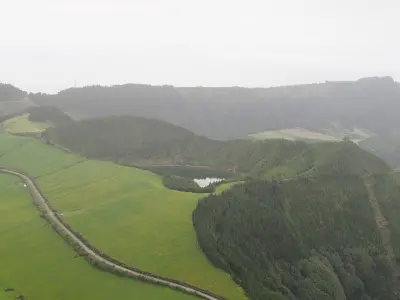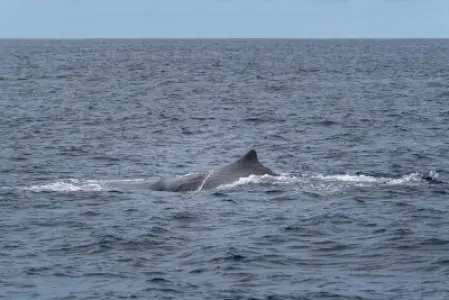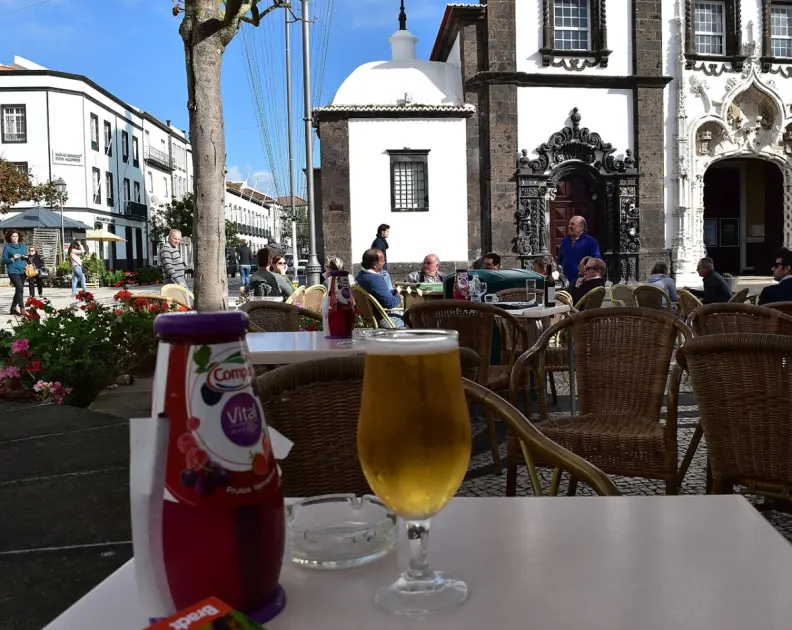
The Azores have quietly become one of Europe's most compelling destinations for digital nomads and remote workers. Nestled in the middle of the North Atlantic, this Portuguese archipelago of nine volcanic islands offers a rare combination: reliable high-speed internet, a cost of living 30–40% lower than Western European capitals, a year-round mild climate, and landscapes of breathtaking natural beauty. In 2026, the islands are firmly on the global nomad circuit — and for good reason.
This guide covers everything you need to know before choosing the Azores as your next remote work base: from coworking spaces and real WiFi speeds to monthly cost of living breakdowns, Portugal's D7 and D8 visa requirements, and which islands are best suited for different working styles.
Why the Azores Work for Remote Workers
The Azores sit in a uniquely practical time zone: UTC-1 in winter and UTC+0 in summer. This places the islands in an ideal overlap window for professionals working with both European and North American clients — morning meetings with New York, afternoon calls with London, all without extreme schedule disruption. Few destinations in the world can claim that geographic sweet spot.
Beyond logistics, the quality of life is hard to match. Average temperatures range from 14°C in winter to 26°C in peak summer, with no oppressive heat waves, no air quality issues, and no urban overcrowding. The pace is slow, crime rates are among the lowest in Europe, English is widely spoken in cities, and locals are genuinely welcoming toward remote workers and expats.
Portugal also maintains a remarkably nomad-friendly policy environment. EU citizens can settle immediately with no paperwork. Non-EU nationals have access to two specific visas — the D7 and D8 — designed precisely for location-independent workers.
Internet Speeds and Connectivity by Island
Connectivity is the first thing every digital nomad researches before committing to a destination. In the Azores, the answer is largely positive — with a few important caveats depending on location.
São Miguel, particularly Ponta Delgada, leads the archipelago in connectivity. Average download speeds in the city reach approximately 80 Mbps, with upload speeds around 40 Mbps — comfortably sufficient for HD video calls, cloud storage, large file transfers, and collaborative tools. Fiber optic infrastructure covers most urban areas of São Miguel. Dedicated coworking spaces typically offer even faster connections, with some exceeding 200–300 Mbps.
In rural areas of São Miguel — villages in Nordeste, Achada, or the interior — speeds can drop or become inconsistent. A local SIM card from NOS or MEO with a 4G data plan (widely available at airports and city shops for around €20–€35/month) provides a reliable backup.
Faial (Horta) delivers consistently good connectivity for its size, with speeds of 50–60 Mbps common in the city. Horta Cowork, based at the marina, offers a dedicated 300 Mbps shared connection.
Terceira (Angra do Heroísmo) records urban speeds of 60–80 Mbps. The island's strong telecommunications infrastructure supports a comfortable remote work environment.
On Pico, São Jorge, and Graciosa, urban areas offer adequate speeds for most remote work tasks, but coverage drops sharply outside town centers. Always verify connectivity before renting accommodation in more remote locations on these islands.
Best Coworking Spaces in the Azores
The Azores' coworking scene has expanded significantly over the past three years, driven by both international demand and regional government initiatives to attract digital talent. Here are the top options in 2026:
São Miguel
- UnOffice — About 1 km from Ponta Delgada's city center, near the iconic pineapple plantation. Modern interiors, abundant natural light, high-speed internet, an integrated café, meeting rooms, and private offices on request. One of the most popular spaces among international nomads.
- Novovento Workplace — Set in Ginetes village with direct Atlantic Ocean views from every desk. Superfast internet, external monitors, air conditioning, and private offices from approximately €180/month. Arguably the most scenic office you'll ever work from.
- Dwell Azores — A coliving and coworking space in Fenais da Luz combining accommodation and workspace. Day pass ~€12, weekly ~€60, monthly ~€110. Ideal for nomads wanting an all-in-one solution without hunting for separate housing.
- VilaWork — Located in Ribeira Grande in the island's north. Quieter than Ponta Delgada, with more affordable surrounding rental market.
- ONE Solmar — Central Ponta Delgada location, walking distance to restaurants, cafés, and services.
Faial
- Horta Cowork — Marina-front coworking with a direct view of Mount Pico across the channel. High-speed WiFi, comfortable workstations, and a terrace. Monthly rates from approximately €100. A favorite among the sailing community and transatlantic nomads.
Terceira
- Coworking Azores — In Angra do Heroísmo. Ergonomic furniture, private offices, event spaces, and regular networking events. A professional environment in a UNESCO World Heritage city.
Coliving
- Lava Coliving — In Ribeira Grande, São Miguel. One of the most established coliving communities in the archipelago, with integrated coworking, an active international community, and direct access to hiking and surf spots. Best suited for stays of one to three months.
Across the archipelago, a dedicated desk at a coworking space typically costs between €100 and €300 per month, with daily and weekly passes available at most venues.
Real Monthly Cost of Living in the Azores (2026)
One of the Azores' strongest selling points is its cost of living. The regional VAT rate is 16% — significantly lower than mainland Portugal's 23% — which reduces costs across restaurants, services, and many consumer goods. However, some imported products can be slightly more expensive due to logistics. The result is a destination where locally produced food, accommodation, and daily life are remarkably affordable.
Monthly Budget Breakdown
- Accommodation: €500–€800/month for a quality room or one-bedroom apartment outside peak season. In Ponta Delgada city center, expect the upper end. In Ribeira Grande or Lagoa, €500–€650 for a full apartment is realistic.
- Groceries: €150–€250/month. Local produce is excellent value — fresh fish, Azorean cheese, butter, bread, and tropical fruit grown on-island are cheap and high quality.
- Restaurants: A full meal at a local restaurant costs €8–€12. A quality dinner with fish rarely exceeds €20. Using the Too Good To Go app can get two-person meals for as little as €4–€6.
- Coworking: €100–€300/month depending on space and plan.
- Transport: Car rental is nearly essential outside Ponta Delgada, from approximately €400/month for a small vehicle. Within the city, taxis and cycling are viable alternatives (Uber is not available in the Azores).
- Health, leisure and activities: €100–€200/month covers a gym membership, outdoor activities like hiking or snorkeling, and social outings.
- Total estimated monthly budget: €1,250–€2,100 for a comfortable nomad lifestyle.
For comparison, a similar lifestyle in Lisbon would cost €2,000–€3,000/month. The Azores offer a significant financial advantage while delivering a higher quality of life in terms of safety, nature, and daily pace.
D7 vs. D8 Visa: Which One Do You Need?
Portugal offers two main visa pathways for non-EU remote workers looking to stay longer than the 90-day Schengen allowance.
D7 Visa (Passive Income)
The D7 is Portugal's "passive income" or "retirement" visa, originally designed for retirees and individuals with stable recurring income from dividends, rental properties, or pensions. While some remote workers previously used this route, Portuguese immigration authorities now actively redirect active-income applicants toward the D8. In 2026, the D7 is not recommended for typical digital nomads with employment or freelance income.
D8 Visa (Digital Nomad)
The D8, launched in October 2022, is the dedicated digital nomad visa. It is available in two formats: a Temporary Stay Visa (up to 1 year, renewable) and a Residency Visa (2-year residence permit, renewable, with a pathway to permanent residency and Portuguese citizenship after 5 years).
Key 2026 requirements for the D8:
- Minimum monthly income: €3,680 (4x the Portuguese minimum wage), sourced from outside Portugal.
- Bank savings: Minimum €11,040 (12x the monthly minimum wage).
- Health insurance: Valid in Portugal, minimum €30,000 coverage.
- Proof of accommodation: Rental contract or property deed in Portugal.
- Portuguese bank account: Strongly recommended for residency applications and tax purposes.
Processing time is typically 30–60 days. An important additional benefit: the Azores operate under an autonomous regional tax regime. Combined with Portugal's Non-Habitual Resident (NHR) tax scheme — which can provide reduced income tax rates on foreign-sourced income for up to 10 years — establishing tax residency in the Azores can be financially advantageous for qualifying nomads.
EU, EEA, and Swiss citizens do not require any visa and can move to the Azores freely. US, Canadian, Australian, and other Schengen-exempt nationals can stay for up to 90 days without a visa within any 180-day period.
Best Islands for Remote Work
São Miguel — The Main Hub
The obvious first choice. São Miguel has the widest range of coworking spaces, best connectivity, most frequent international flights (direct connections to Lisbon, Porto, London, Frankfurt, and Boston), and the largest expat and nomad community. Ponta Delgada has international supermarkets, a university hospital, and a growing number of international restaurants. The downside: it is the most expensive and most crowded island, particularly in summer.
Faial — For Maritime Souls
Faial and its capital Horta offer a uniquely cosmopolitan atmosphere for a small island, driven largely by the transatlantic sailing community that converges here every summer. The famous Café Sport Peter in Horta has been a meeting point for sailors from around the world for decades. Connectivity is solid, costs are lower than São Miguel, and the pace is genuinely relaxed. Ideal for 1–3 month stays.
Terceira — History and Practicality
Angra do Heroísmo is a stunning UNESCO World Heritage city with good infrastructure, an international airport, and a lower cost of living than São Miguel. The Terceira island guide covers the island's unique cultural calendar, including the famous Festas do Espírito Santo. For nomads who value history, gastronomy, and a quieter rhythm, Terceira is an underrated choice.
Pico — For the Authentic Experience
Pico is the most dramatic island in the archipelago, dominated by the Azores' highest peak (2,351 m) and home to UNESCO-listed vineyards. It is not the most practical base for intensive remote work, but for nomads who work part-time or on flexible schedules, the island offers an incomparable authenticity. Connectivity is adequate in Madalena and Lajes do Pico.
Practical Tips for Digital Nomads in the Azores
- Arrive in the shoulder season: September to June offers lower accommodation prices, fewer crowds, and equally stunning nature.
- Rent a car: Essential for exploring each island. No Uber operates in the Azores, and taxis can be expensive.
- Get a local SIM: NOS or MEO 4G/5G data plans start around €20–€35/month and are essential as a connectivity backup.
- Open a Portuguese bank account: ActivoBank and BPI offer relatively straightforward account opening for non-residents. Required for D8 residency.
- Join the community: Facebook groups like "Azores Islands — Travel/General Interest" and local expat networks in Ponta Delgada are excellent for meeting other nomads and finding housing leads.
- Explore inter-island: SATA Air Açores connects all nine islands, with fares typically between €30 and €80 per leg. Weekend island-hopping is entirely feasible.
- Use local markets: The Mercado da Graça in Ponta Delgada and local farmers' markets across the islands offer the freshest produce at the lowest prices.
Frequently Asked Questions
What is the average internet speed in the Azores?
In Ponta Delgada and other main urban areas, average download speeds are approximately 80 Mbps with upload around 40 Mbps. Dedicated coworking spaces offer faster connections, some reaching 300 Mbps. Rural areas may have lower speeds, so a 4G SIM card backup is strongly recommended.
How much does it cost to live in the Azores as a digital nomad?
A comfortable nomad lifestyle in the Azores — including quality accommodation, coworking, eating out regularly, and leisure activities — costs between €1,250 and €2,100 per month. This is significantly less than Lisbon, Barcelona, or Amsterdam, with a genuinely higher quality of life in terms of safety, nature, and pace.
Do I need the D8 visa to work remotely from the Azores?
EU citizens do not need any visa. Non-EU nationals can stay visa-free for up to 90 days (Schengen rules). For longer stays, the D8 Digital Nomad Visa is the correct route, requiring a minimum monthly income of €3,680, savings of €11,040, and health insurance valid in Portugal.
Which island is best for remote work in the Azores?
São Miguel (Ponta Delgada) is the best all-round base for most digital nomads, offering the widest range of coworking spaces, best connectivity, and largest expat community. For a quieter, more authentic experience, Faial and Terceira are excellent alternatives with solid infrastructure and lower costs.
Is coliving available in the Azores?
Yes. Lava Coliving in Ribeira Grande and Dwell Azores in Fenais da Luz are the two most established coliving options, combining coworking, accommodation, and community under one roof. They are ideal for solo nomads wanting immediate integration into a remote-work community.
Conclusion
The Azores represent one of the most complete remote work destinations in Europe in 2026: affordable cost of living, reliable internet, extraordinary natural beauty, low crime, and a welcoming community. The convenient time zone, advantageous tax environment, and the possibility of exploring nine entirely distinct islands make the archipelago far more than a practical work base — it is a lifestyle choice.
Whether you are planning a one-month exploratory stay or pursuing long-term residency through the D8 visa, the Azores have the infrastructure, the community, and the magic to make it work. The hardest decision will be choosing between the cosmopolitan energy of Ponta Delgada and the raw Atlantic silence of the smaller islands. Fortunately, with SATA inter-island flights, you do not have to choose just one.