Two Portuguese Atlantic archipelagos, two completely different experiences. The Azores and Madeira are frequently compared by travellers who must choose between them — but the comparison is deceptive. These are destinations with their own identities, distinct strengths, and different ideal visitor profiles. This honest guide compares Azores vs Madeira across every dimension that matters for trip planning: climate, beaches, nature, gastronomy, price, accessibility, and active tourism.
Location and Accessibility
Madeira
Madeira lies 1,050 km southwest of Lisbon, approximately 600 km from the African coast. The flight from Lisbon takes around 1h40m. Madeira Airport has direct connections from dozens of European cities including London, Frankfurt, Amsterdam, and Paris — making it one of the most accessible Atlantic island destinations from central Europe.
Azores
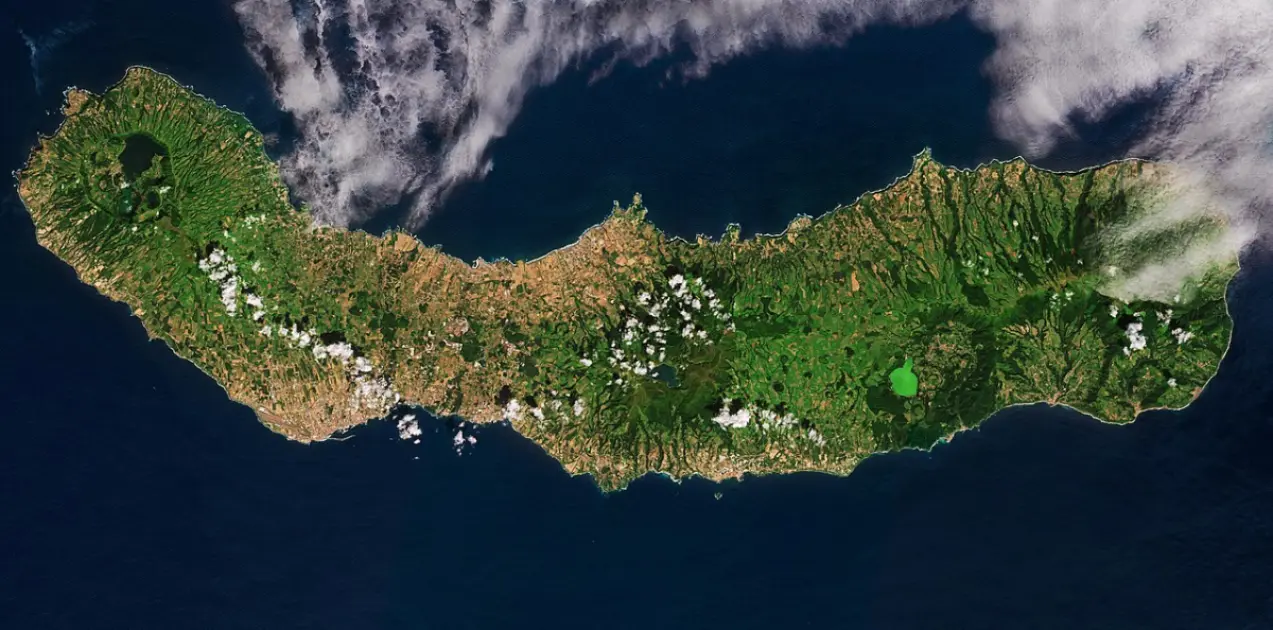
The Azores are further — 1,500 km from Lisbon in the case of São Miguel, and up to 2,300 km at the western edge (Flores and Corvo). The flight from Lisbon takes 2h15m. Direct international connections have grown considerably in recent years: Lisbon, Porto, London, Amsterdam, Frankfurt, Dublin, and several North American cities are now served. Inter-island travel requires additional domestic flights and planning.
Climate: The Key Difference
Madeira
Madeira enjoys what many describe as the perfect climate: mild temperatures year-round (18–25°C), frequent sunshine especially on the south coast, and minimal seasonal variation. The north coast is wetter and greener; the south coast is drier and sunnier. It is the right choice for those escaping European winter in search of reliable sun.
Azores
The Azores have a more variable, unpredictable climate — famously described as "four seasons in one day." Annual temperatures range from 14°C in winter to 26°C in summer. Rain is more frequent, especially outside the high season. For lovers of dramatic green scenery, this humidity is a feature; for those seeking reliable sunshine, it can be frustrating.
Verdict: For guaranteed sunshine and stable weather, Madeira. For dramatic landscapes and year-round adventure, Azores.
Beaches and Swimming
Madeira
Madeira has no natural sandy beaches — the coastline is predominantly volcanic rock. Main swimming options are lava rock pools (Doca do Cavacas, Porto Moniz) and artificial imported-sand beaches (Machico, Calheta). Sea temperature reaches 20–22°C in summer.
Azores
The Azores offer volcanic black-sand beaches, abundant natural lava pools across nearly every island, and the only golden-sand beaches of either archipelago on Santa Maria. The variety is broader. Azores natural pools generally have better water quality and underwater visibility than those of Madeira.
Verdict: Neither is a conventional sandy beach destination. Azores natural pools have a slight advantage in quality and variety.
Nature and Landscape
Madeira
Madeira has some of the most exuberant nature in the Atlantic. The Laurisilva Forest — a UNESCO World Heritage ancient laurel forest covering 20% of the island — is of extraordinary beauty. The Levadas (historic irrigation channels) create a unique network of horizontal trails traversing the entire island through valleys, tunnels, and vertiginous ridges. Madeira's landscapes are vertical and dramatic.
Azores
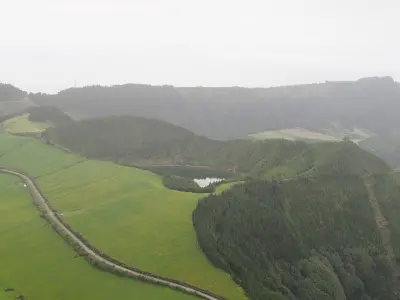
The Azores offer different but equally spectacular nature: volcanic lagoons (Sete Cidades, Lagoa do Fogo), calderas (Faial, Graciosa), lava tubes (Terceira), fumaroles (Furnas), and marine megafauna (over 28 cetacean species) form a natural heritage unparalleled in Europe. Azorean landscapes are horizontal and open — valley lagoons rather than sheer cliffs.
Verdict: A tie. Madeira is more spectacular for vegetation and levada trails. The Azores win on geodiversity, marine wildlife, and unique geological experiences.
Active Tourism and Adventure
Madeira
Levada trails (600+ km), paragliding, canyoning, and toboggan rides are the main activities. Climbing Pico Ruivo (1,862 m) is the main mountaineering challenge.
Azores
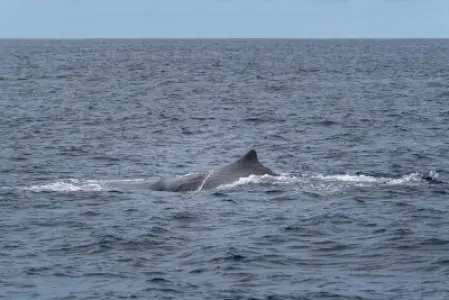
The Azores are superior for: whale watching (among the world's best), diving (exceptional fauna, 30–40 m visibility), surfing (consistent Atlantic breaks), climbing Pico (2,351 m — Portugal's highest point), and speleology (unique lava tubes). The diversity of active experiences clearly favours the Azores.
Verdict: Azores for serious adventure. Madeira for levada hiking and scenic landscapes.
Gastronomy
Madeira
Madeira wine (one of the world's great fortified wines), Espetada (bay leaf skewered beef), Bolo do Caco, Poncha, and black scabbardfish are the gastronomy highlights. Rich and flavourful.
Azores
Cozido das Furnas cooked by volcanic earth, Terceira's Alcatra, São Jorge DOP cheese, grilled limpets, greenhouse pineapple, and Gorreana tea (Europe's only tea plantation) make the Azores a gastronomically original destination at every island.
Verdict: A tie, with slight Azores advantage for originality and per-island diversity.
Prices
Madeira
Madeira is more expensive, especially for accommodation and dining. Funchal has significant luxury offerings. Average double room: €80–150/night in mid-season.
Azores
The Azores are generally more affordable, but inter-island travel (flights and ferries) adds meaningful cost if you plan to visit multiple islands. Average double room: €60–120/night.
Verdict: Azores slightly cheaper, but only if visiting one or two islands. A multi-island tour can cost more than a week on Madeira.
When Each Destination is the Better Choice
Choose Madeira if:
- You want guaranteed sunshine, especially October–April
- You enjoy levada walks and lush greenery
- You are travelling with people who dislike weather uncertainty
- You prefer a single base with everything concentrated in one place
Choose the Azores if:
- You want world-class whale watching, diving, or surfing
- You appreciate volcanic geology, lagoons, and calderas
- You are adventurous and enjoy exploring multiple islands
- You are travelling in summer (June–September weather is excellent)
- You seek authenticity and less mass-tourism atmosphere
FAQ: Azores vs Madeira
Azores or Madeira for a one-week holiday?
For a one-week holiday with guaranteed sunshine and a fixed base, Madeira is more practical. For a week of adventure, diversity, and unique experiences (whales, caves, lagoons), the Azores are superior — especially concentrated on São Miguel or a 2–3 island combination.
Which has better beaches — Azores or Madeira?
Neither has tropical sandy beaches. The Azores have more varied natural lava pools. Santa Maria (Azores) has the only golden-sand beaches in either archipelago.
Are the Azores cheaper than Madeira?
Generally yes, particularly for accommodation and dining. However, inter-island flights in the Azores raise the total cost significantly if you plan a multi-island tour.
Which is better for whale watching?
The Azores, unquestionably. With over 28 cetacean species and sighting rates exceeding 95%, the Azores rank among the world's top whale watching destinations. Madeira also offers whale watching trips, but on a far smaller scale.
Can I combine the Azores and Madeira in one trip?
Technically yes, but it is impractical on a short trip. There are no direct flights between the two archipelagos — a stopover in Lisbon or Porto is required. For travellers with 2–3 weeks who want to see both, it makes sense; for a one-week holiday, choose one.