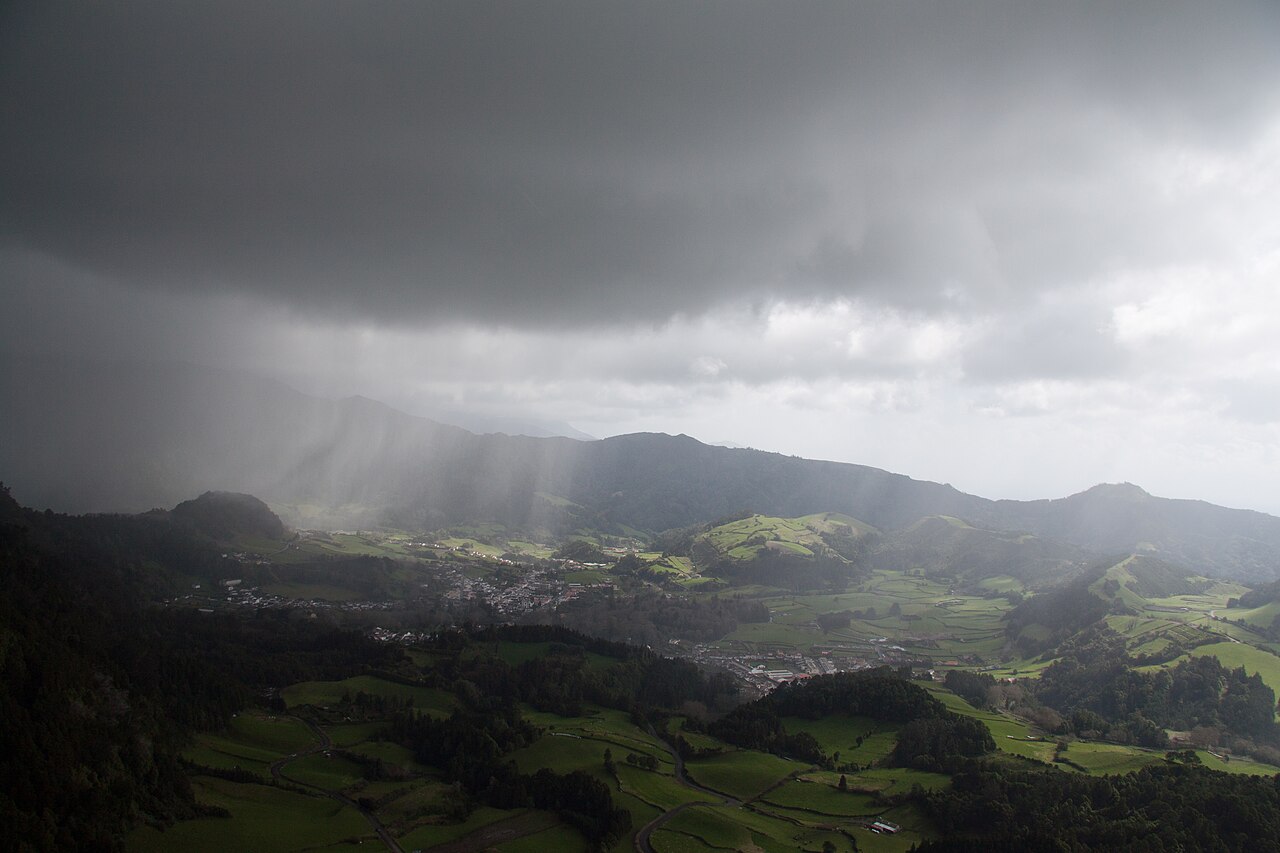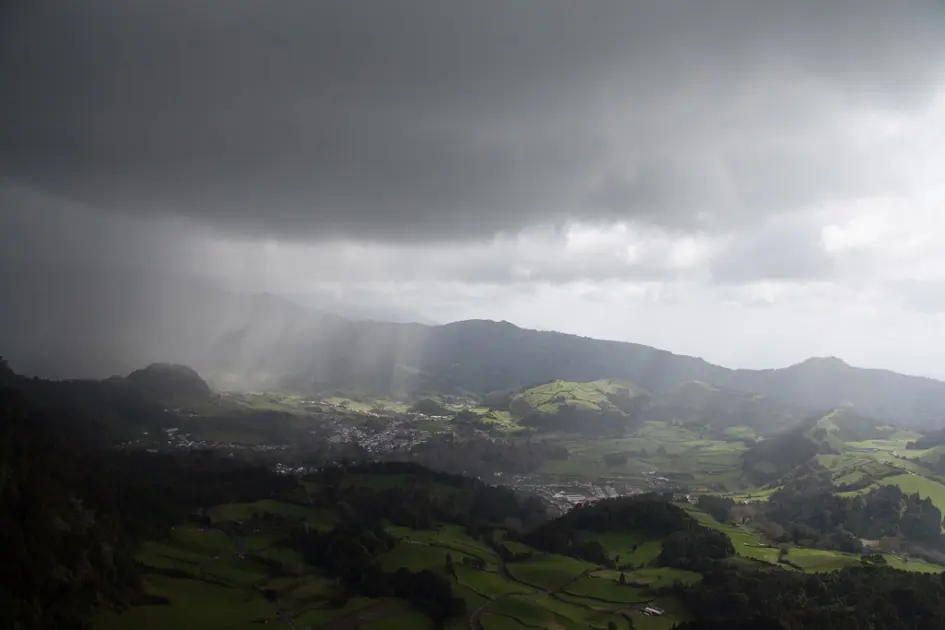
The Azores in winter surprise almost every visitor who experiences them. While the rest of Europe shivers through its coldest months, this mid-Atlantic archipelago maintains mild temperatures of 14–18°C between November and March — with lush green landscapes fed by Atlantic rains, an atmosphere of genuine authenticity that the summer crowds never allow, and prices 30–50% below peak season. Hotel queues disappear, the locals have time to talk, and the volcanic scenery takes on a dramatic, mist-wreathed quality that photography lovers adore. Here is everything you need to know about visiting the Azores in winter.
Azores Winter Weather: What to Expect
Azores winter is wet and variable — not cold. Temperatures rarely drop below 12°C even in January. Rain is more frequent than in summer but rarely lasts all day. The typical pattern: cloudy mornings, afternoon sunshine, occasional evening storms.
- November: 15–18°C, sea still 20–21°C, long enough days
- December–January: 13–16°C, sea 18–19°C, short days but beautiful light
- February–March: 14–17°C, sea 17–18°C, first signs of spring
The key to enjoying the Azores in winter is itinerary flexibility: if the weather is poor outside, pivot to museums, gastronomy, and thermal pools. When it clears — often within hours — make the most of the outdoors.
Whale Watching in Low Season
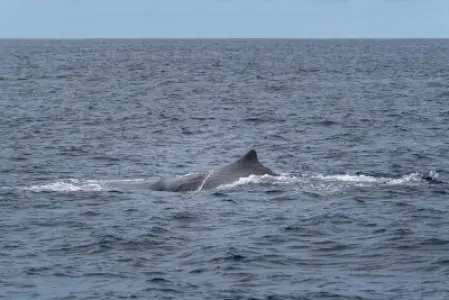
Contrary to popular belief, whale watching in the Azores is not limited to summer. The sperm whale is a year-round resident in Azorean waters. In winter, trips are weather-dependent and less frequent, but when the sea is calm, sightings are reliable. Several operators on São Miguel and Pico maintain service from November to March. The key advantage: far smaller groups and a more intimate experience than peak season.
Thermal Pools and Wellness
Winter is the ideal season for the Azores' thermal resources. The Ferraria thermal pools on São Miguel are particularly magical in winter — the contrast between hot water (30–40°C) and cool air creates rolling clouds of steam that envelope bathers in a cinematographic atmosphere. Terra Nostra Park in Furnas, with its iron-rich thermal pool at 35–40°C and botanical gardens in late-autumn tones, is another unmissable winter destination. Most major hotel spas operate at full capacity in winter, frequently with better rates.
Hiking Without the Crowds
The Azores' trails are extraordinarily peaceful in winter. The hydrangeas lining the paths on wetter islands — especially Flores and Faial — lose their flowers but gain a deep wine-red hue that is equally beautiful in a different way. Vegetation is at its most exuberant thanks to the rains. Note that some high-altitude trails may be closed for safety after heavy rainfall.
Recommended winter hikes:
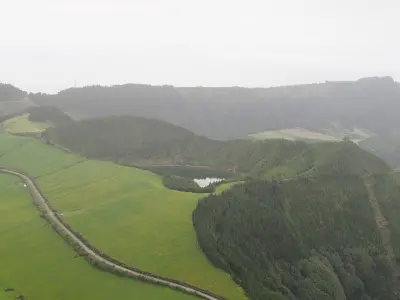
- Sete Cidades Circuit (São Miguel) — dramatic misty landscape
- Faial Caldeira Trail — eucalyptus in winter tones
- São Jorge Fajã trails — accessible year-round, far fewer visitors
- Ribeira dos Caldeirões Natural Park (São Miguel) — waterfalls at maximum flow
Azorean Winter Gastronomy
Winter is the golden season for Azorean food. This is when the traditional pig festivals and matanças take place in rural communities, with freshly made sausages, blood puddings, and cured meats. Local restaurants — not the summer tourist-oriented ones — are open and lively. Alcatra on Terceira, Cozido das Furnas on São Miguel, and grilled octopus on any island taste especially wonderful on a rainy winter afternoon.
Winter Events and Festivals
- Christmas and New Year (December–January): Azorean towns — particularly Angra do Heroísmo and Ponta Delgada — host festive decorations and street events. The Chegança street theatre tradition is performed on some islands.
- Carnival (February–March): The Carnaval in Lajes do Pico and Angra do Heroísmo are among the liveliest in the archipelago, drawing revellers from across the islands.
- Festas do Senhor Santo Cristo dos Milagres (March–May): Starting at the end of winter, this is the Azores' most important religious festival, celebrated in Ponta Delgada with a procession involving the whole of São Miguel.
Winter Diving
For divers, the Azorean winter offers a surprising advantage: underwater visibility is frequently better than in summer. With fewer tourist boats and less surface disturbance, visibility can exceed 40 metres. Sea temperatures (17–19°C) require a wetsuit, but winter species encounters include whitetip sharks, manta rays, and large pods of bottlenose dolphins.
Practical Logistics: Winter Travel in the Azores
- Flights: Inter-island flight frequencies (SATA/Azores Airlines) are reduced in winter. Check schedules well in advance.
- Accommodation: Many independent guesthouses close November–March. Main hotels stay open, often with 30–40% discounts off summer rates.
- Ferries: Inter-island ferries operate but with reduced frequency and more weather-related cancellations.
- Car rental: Available year-round, lower prices. Prefer higher-clearance vehicles for dirt roads on rainy days.
FAQ: Azores in Winter
Is it worth visiting the Azores in winter?
Absolutely. Azores winters offer mild temperatures (12–18°C), dramatically green and atmospheric landscapes, prices 30–50% below summer, and an authenticity that peak season cannot match. The main limitation is weather unpredictability — build flexibility into your itinerary.
Which islands are best to visit in winter?
São Miguel is the best winter choice thanks to its variety of weather-independent experiences (thermal pools, museums, gastronomy) and the highest flight frequency. Terceira is excellent for cultural tourism. Avoid remote islands like Corvo and Flores if weather disruption is a concern — connections can be suspended for days.
Does it rain a lot in the Azores in winter?
Rainfall is more frequent than in summer but rarely lasts all day. The typical pattern involves rain showers interspersed with sunshine. Always carry a light waterproof jacket.
Can you swim in winter in the Azores?
Sea temperatures drop to 17–19°C — cool but swimmable for the less cold-sensitive. Thermal pools (Ferraria, Varadouro, Carapacho) offer excellent hot-water bathing alternatives throughout winter.
Are the main tourist attractions open in winter?
Most major attractions are open with reduced hours. Algar do Carvão and Gruta do Natal (Terceira) close for winter. Always check ahead for specific sites before visiting.