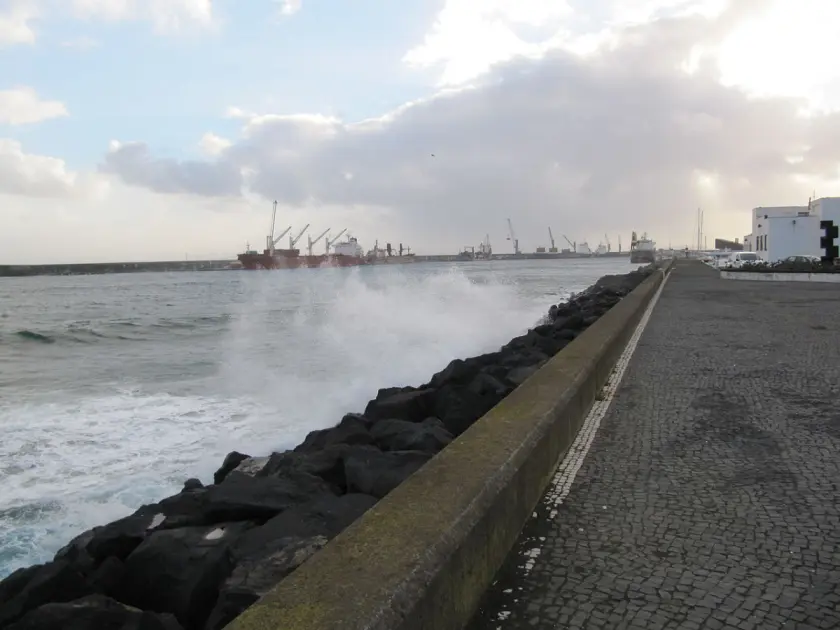
The Azores are among the most breathtaking destinations in the Atlantic — and increasingly, a place that genuinely welcomes all travelers regardless of physical ability. This nine-island archipelago has been steadily investing in accessible infrastructure, from paved pathways at iconic viewpoints to adapted tour vans equipped with hydraulic lifts. Whether you use a wheelchair, have reduced mobility, or are traveling with someone who has special needs, this complete Azores accessibility guide is written for you.
While there is still progress to be made — the official Visit Azores portal itself acknowledges "there is still much to do to increase the number of accessible places" — the reality is that the archipelago today offers a genuinely inclusive experience for those who plan carefully.
Accessible Tourism in the Azores: Overview
The development of accessible tourism in the Azores gained real momentum in 2005, when CRESAÇOR (the Azores Cooperative for Special Rehabilitation and Education) began promoting social and inclusive tourism across the islands. In 2014, CRESAÇOR launched the Azores for All brand, which has since become a national and international reference in adapted tourism. The organization operates adapted vehicles with retractable ramps or power-operated lifts, beach and trekking wheelchairs (Joëlette), and guided tours covering everything from Sete Cidades to Nordeste.
Alongside this, Access Azores has specialized in accessible experiences across the Faial-Pico-São Jorge triangle, with expert guides and a sustainability-focused approach. These two operators are the primary contacts for any traveler requiring specialized assistance.
Airports and Arrival
In mainland Portugal and the Azores, airports participate in the "My Way" program run by ANA Airports, which guarantees personalized assistance to passengers with reduced mobility. At João Paulo II Airport in Ponta Delgada (São Miguel), there is a clearly marked "special services" or "priority" desk, wheelchair-accessible restrooms throughout the terminal, and adapted waiting areas near departure gates.
- Request wheelchair assistance when booking your flight (or at least 48 hours in advance)
- Transfer between the aircraft and terminal is handled by trained staff
- Airports on smaller islands (Terceira, Faial, Pico) also have basic support infrastructure
For inter-island travel, both SATA Air Açores and Azores Airlines have passenger assistance policies for reduced mobility — always contact the airline in advance.
Accessible Accommodation in the Azores
Accessible hotel options are concentrated primarily on São Miguel, particularly in Ponta Delgada. Here are the most recommended choices:
Ponta Delgada — São Miguel
- Azor Hotel — A boutique design hotel with fully wheelchair-accessible rooms, adapted bathrooms, sea views, and elevators on all floors. Located in the heart of Ponta Delgada.
- Mercure Ponta Delgada Azores — A 4-star hotel with adapted rooms, indoor and outdoor pools, spa, and a location 5 km from the airport. Part of the Accor group, meeting international accessibility standards.
- Grand Hotel Açores Atlântico — One of Ponta Delgada's most iconic hotels, with accessible rooms and a prime location facing the marina and historic center.
- Ponta Delgada Youth Hostel — A budget option with accessible twin rooms and adapted private bathrooms, located right by the ocean.
When booking any accommodation in the Azores, always confirm directly: door widths (ideally 80 cm or more), availability of a shower seat or roll-in shower, no steps at the entrance, and accessible parking.
Accessible Attractions and Sightseeing
1. Sete Cidades Lagoon
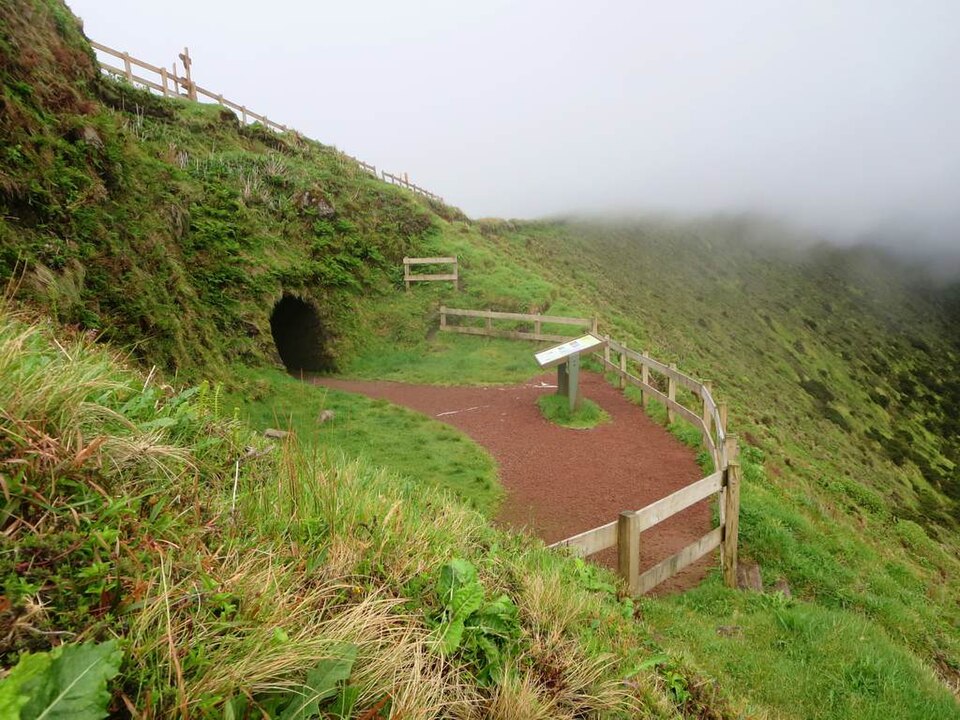
The Azores' most iconic postcard view is also one of the most accessible spots in the archipelago. The Vista do Rei viewpoint, overlooking the twin-colored caldron lakes, features paved pathways, safety railings, and reserved parking for visitors with reduced mobility. The access road is fully paved, and the short path to the viewpoint is suitable for powered wheelchairs.
2. Terra Nostra Park — Furnas
One of the most highly recommended destinations for mobility-impaired travelers across the entire archipelago. Terra Nostra Park in Furnas features wide, well-maintained pathways through 4 hectares of botanical gardens with exotic plants and centuries-old trees. The famous thermal pool — naturally heated to 35-40°C — is accessible via ramps. Adapted restrooms are available on-site. Admission is approximately €15 per adult.
3. Furnas Lake
The fumaroles and hot springs along the shore of Lagoa das Furnas are located on flat ground, with designated pathways and areas for wheelchair users. Visitors with reduced mobility can get close to the geysers, hot springs, and the famous pots where cozido stew is slow-cooked underground — a truly unique experience accessible at ground level.
4. Ponta Delgada — Historic Waterfront
The Ponta Delgada waterfront offers accessible tours along the marina, with flat, obstacle-free promenades for exploring the historic architecture and the iconic Portas da Cidade (City Gates). The Museu Carlos Machado stands out for exemplary accessibility: smooth wooden floors, an elevator to all eight exhibition rooms, and adapted restrooms on the ground floor.
5. Angra do Heroísmo — Terceira
This UNESCO World Heritage city on Terceira island has characteristic cobblestone streets that can challenge manual wheelchair users, but the city has invested in ramps and marked accessible routes to its main historic sites. Powered wheelchairs or wide-tire manual chairs are recommended for the uneven surfaces.
6. Whale Watching
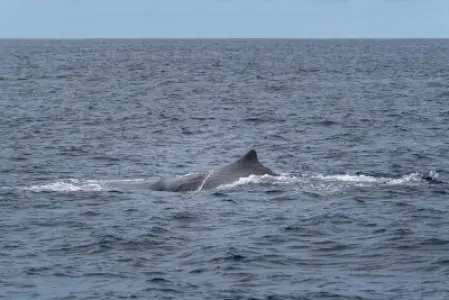
Several whale watching operators in the Azores offer wheelchair-accessible vessels. Spotting whales in the wild — in one of the world's most biodiverse cetacean habitats, with over 28 recorded species — is an experience accessible to travelers with reduced mobility. Always inform the operator of your needs when booking to ensure the right vessel and dock access.
7. Gruta do Carvão — Terceira
Guided tours of Gruta do Carvão, a lava tube system in Angra do Heroísmo, can accommodate visitors with moderate mobility limitations for certain sections of the route. Contact the operator in advance to confirm which parts of the tour are accessible.
Adapted Tours and Activities
Azores for All (CRESAÇOR)
Azores for All is the leading accessible tourism operator in the Azores. Founded by CRESAÇOR in 2014, their services include:
- Full-day and half-day tours in adapted vehicles (van with power-operated lift or retractable ramp)
- Capacity for one person in a powered wheelchair or two in medium-sized manual wheelchairs
- Beach wheelchairs and Joëlette hiking chairs for mountain trails
- Adapted canoeing, cycling, and traditional games
- Ramp-accessible office with adapted restroom facilities
- Information on accessible hotels, restaurants, and support equipment rentals
Access Azores
Specializing in the central islands triangle — Faial, Pico, and São Jorge — Access Azores offers sustainable, culturally rich tours designed for all ability levels. Guides hold specific accessibility training and carry deep local knowledge of these three islands.
Local Specialist Guides
Through platforms such as ToursByLocals, it is possible to book personalized tours with local guides specializing in accessible travel. This option offers greater itinerary flexibility and one-to-one attention.
Accessible Beaches in the Azores
Azores beaches are mostly black volcanic sand or pebble, which presents an extra challenge for standard wheelchairs. However, some beaches and natural pools have adapted infrastructure:
- São Roque do Pico — Pico Island: beach wheelchair available on request
- Porto Pim — Faial: horseshoe bay with calm waters and easier access to the shoreline
- Biscoitos Natural Pools — Terceira: some pools have flat access, though the lava terrain can be uneven in places
Azores for All provides amphibious beach wheelchairs for water access at select beaches — advance booking is essential.
Getting Around: Accessible Transport
Public transport in the Azores is not broadly adapted, especially on smaller islands. Key recommendations:
- Adapted taxis: available in Ponta Delgada and Angra do Heroísmo with advance booking
- Adapted rental vehicles: some car rental companies on the main islands offer vehicles with hand controls or wheelchair storage space — inquire well in advance
- Azores for All vehicles: the most reliable option for daily tours on São Miguel
- Inter-island ferries: Atlânticoline catamarans have accessible areas — contact them in advance to confirm availability
Practical Tips for Planning Your Visit
- Book early — Adapted equipment (vehicles, beach chairs, Joëlette) is limited. Book at least 2-4 weeks ahead in high season (June to September).
- Confirm room specifications — Before booking, ask hotels for door widths, shower type, grab bars, and step-free entrance.
- Brief tour operators thoroughly — The more detail you provide about your needs, the better your experience will be.
- Prepare for volcanic terrain — The Azores' volcanic landscape can be uneven. A powered wheelchair or wide-tire manual chair is advantageous.
- Carry your European Disability Card — This may grant discounts at museums and attractions across Portugal.
- Best travel season — May to September offers the best weather and the widest availability of adapted services.
Frequently Asked Questions
Are the Azores wheelchair accessible?
Yes, with proper planning. São Miguel — especially Ponta Delgada and key attractions like Terra Nostra Park and Vista do Rei viewpoint — offers good accessibility. The Azores for All operator provides adapted vehicles and activities for all mobility levels. Infrastructure on smaller islands is more limited but improving.
Which tour operators offer accessible tours in the Azores?
The main operators are Azores for All (CRESAÇOR), based on São Miguel, and Access Azores, which specializes in Faial, Pico, and São Jorge. Both have trained guides and adapted equipment for different needs.
Are there accessible hotels in the Azores?
Yes. The Azor Hotel, Mercure Ponta Delgada, and Grand Hotel Açores Atlântico all have adapted rooms for guests with reduced mobility. Always confirm specific room details — door widths, shower type, grab bar placement — directly with the hotel before booking.
Can I go whale watching in a wheelchair?
Yes. Several whale watching operators in the Azores have wheelchair-accessible boats. It is essential to inform the operator of your requirements at the time of booking so they can arrange the appropriate vessel and boarding dock.
How do I request assistance at Azores airports?
Through ANA Airports' "My Way" program, available at all airports in the archipelago. Request assistance when purchasing your ticket or at least 48 hours before your flight. On arrival, head to the "priority services" or "special services" desk.
Conclusion: The Azores for Everyone
The Azores are not — and do not claim to be — a destination with perfect universal accessibility. Volcanic terrain, historic cobblestones, and the raw nature of the islands create real challenges. But the archipelago is on a positive and determined path, with pioneering organizations like CRESAÇOR, modernizing infrastructure, and a culture of hospitality that genuinely puts the visitor's needs at the center.
With the right planning, the Azores offer travelers with reduced mobility breathtaking scenery, unforgettable whale watching, the geothermal magic of Furnas, and the untouched beauty of Sete Cidades. Because travel is for everyone — and the Azores are proving it.