São Miguel by Area: Where to Stay and What to See
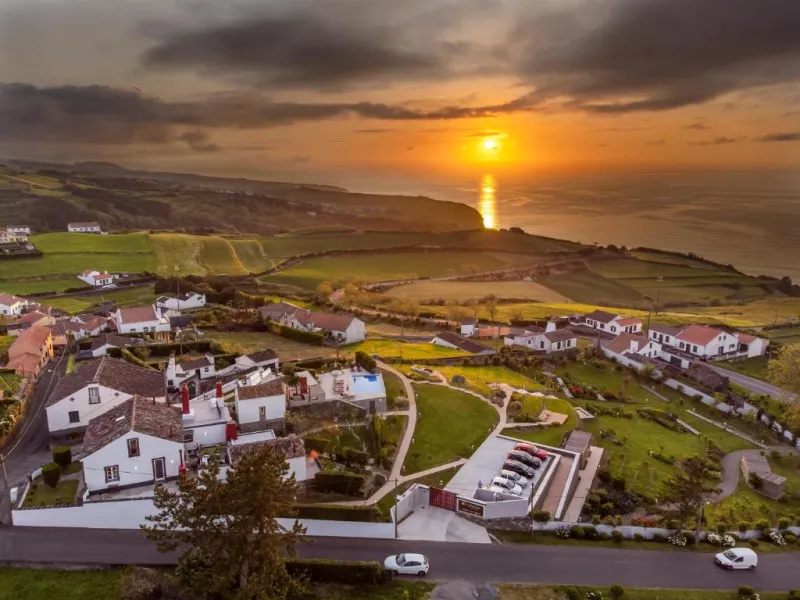
São Miguel is the largest island in the Azores, and that is exactly what makes planning tricky. It is long and narrow, crossed by a handful of volcanic massifs, and a "base" that looks central on the map can still mean a lot of winding road every day. The good news is that the island divides naturally into a few distinct areas, each with its own character. This guide walks through five of them — Ponta Delgada, Furnas, Ribeira Grande and the north coast, Nordeste, and Vila Franca do Campo — and explains what each is good for, so you can decide where to sleep and how to spread your days.
How the Island Is Laid Out
Think of São Miguel as a long east-west strip. Ponta Delgada, the island's main city and the location of the airport, sits on the south coast towards the western end. West of it lies the Sete Cidades massif with its twin crater lakes. East of the city the south coast runs towards Vila Franca do Campo, then inland and uphill to the Furnas valley. The north coast is reached by crossing the middle of the island, and it leads on to Ribeira Grande and, further east, to the remote and very green Nordeste.
Ponta Delgada: The City Base
Ponta Delgada is the practical choice for a first visit. It has the widest choice of hotels, guesthouses and apartments, the most restaurants and the easiest logistics: the airport and the main port are here, car rental offices are concentrated here, and many boat and whale-watching departures leave from the marina area. If you are arriving late or leaving early, sleeping here removes a lot of stress.
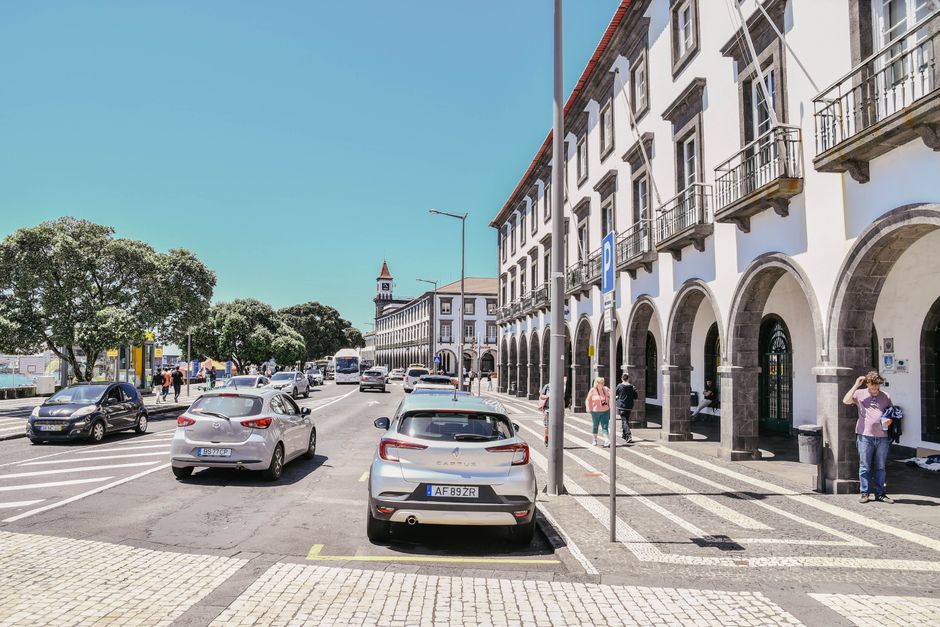
The historic centre is walkable. Look for the three arches known as the Portas da Cidade, the black-and-white basalt and limestone pavements, the churches and the waterfront promenade. The Forte de São Brás, a sea fort by the harbour, is another landmark of the city.
The strength of Ponta Delgada as a base is that it sits within reasonable reach of the western highlights, including the Sete Cidades crater and its lakes, as well as the Gruta do Carvão lava tube and various coastal viewpoints. The drawback is that Furnas, the north coast and especially Nordeste are all a proper drive away, so you will spend time on the road if you want to see all of them from one bed. For ideas on how to use the city as a hub, see our guide to day trips from Ponta Delgada.
Best for: first-time visitors, short stays, travellers without a car at the beginning or end of the trip, anyone who wants evening dining options and nightlife within walking distance.
Furnas: Hot Springs and Volcanic Cooking
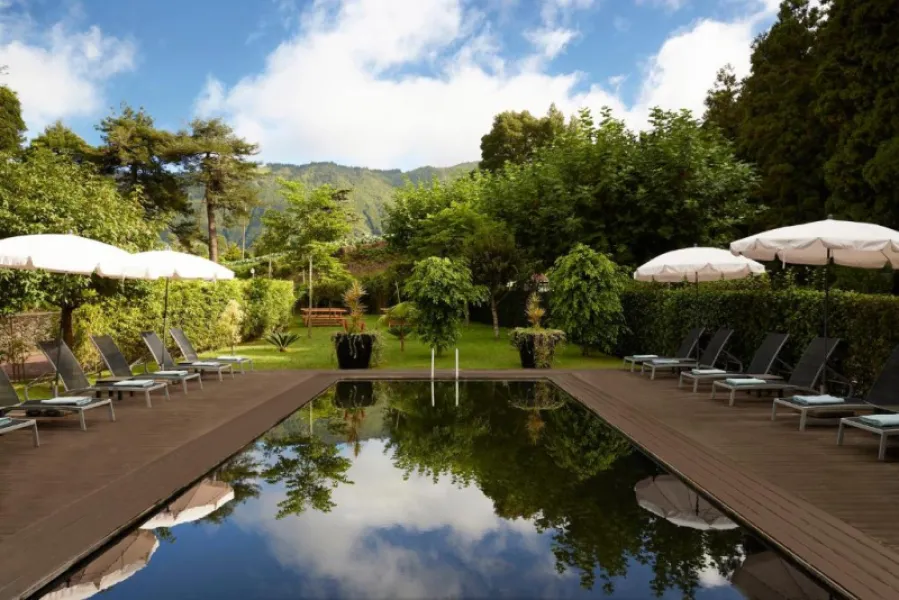
Furnas is a village inside a large volcanic caldera on the eastern half of the island, and it feels like a different world from the city. Steam rises from fumaroles and hot springs in the middle of the village, the air can smell faintly of sulphur near the vents, and the surrounding hills are thick with vegetation. The valley holds a lake, the Lagoa das Furnas, and is known for geothermal activity that locals have used for generations.
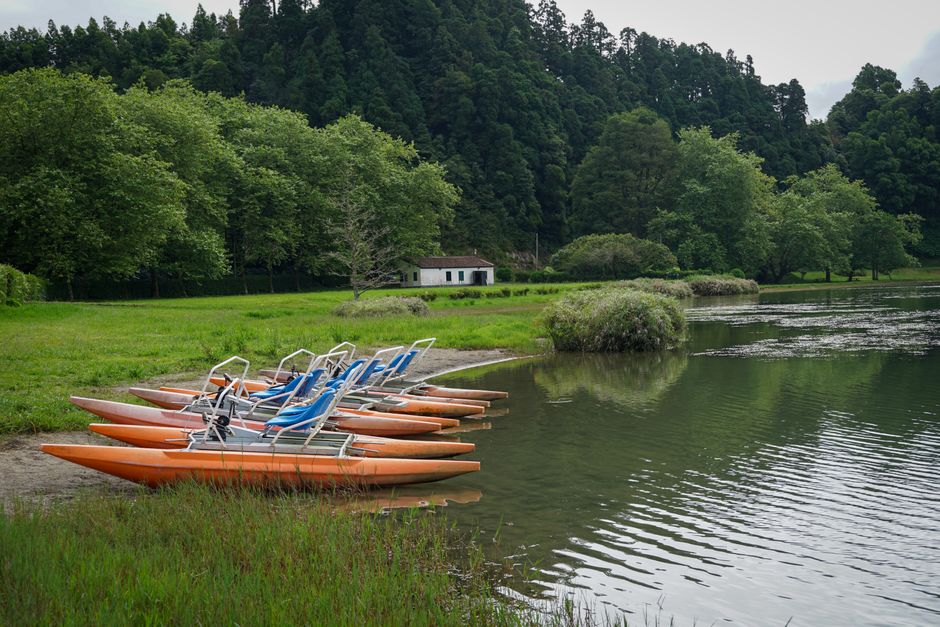
Two things bring most people here. The first is bathing: the Terra Nostra Garden, a historic botanical park, is famous for its large thermal pool with iron-rich, orange-brown water, and there are other thermal pools and spas in and around the valley. Opening hours, entry fees and any time limits change, so check current details before you plan around them.
The second is food. The cozido das Furnas is a stew of meat and vegetables slow-cooked underground by volcanic heat, usually in holes in the ground near the lake. You can watch the pots being lifted from the ground and eat the dish in local restaurants; read more in our article on the cozido das Furnas. Because the dish takes hours to cook, restaurants generally ask you to reserve in advance.
Best for: spa-minded travellers, couples, food lovers, anyone who wants a slower rhythm and a base for the central-east of the island.
Ribeira Grande and the North Coast
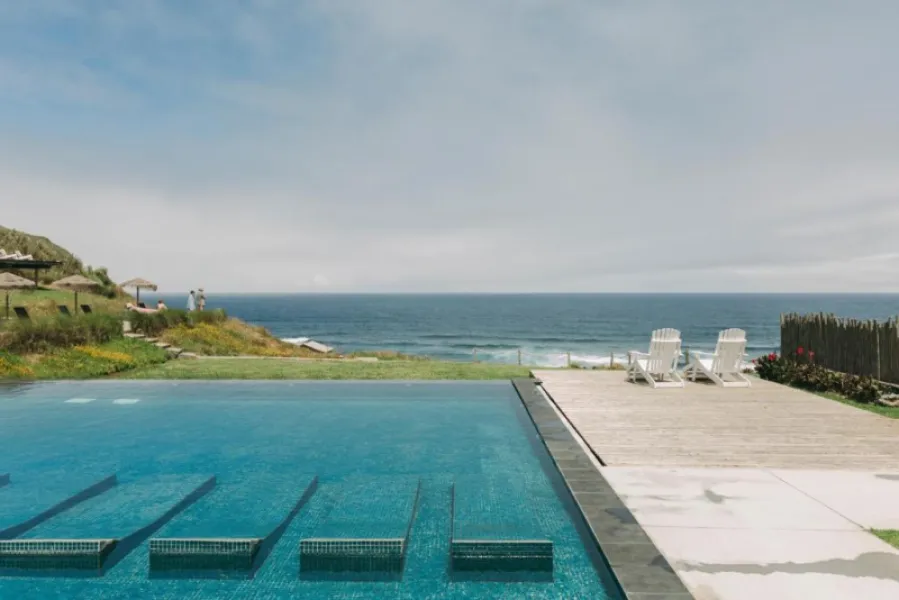
The north coast is greener, wetter and more rugged than the south. Ribeira Grande is its main town, with a historic centre, a seafront and a stretch of well-known surfing beaches nearby, notably Santa Bárbara.
Inland from the town, the slopes of the Lagoa do Fogo massif rise towards a crater lake that sits within a protected natural reserve. Access arrangements can change, particularly in peak season, so check current rules locally. The Caldeira Velha, a small area with waterfalls and thermal pools in a forest setting, is also found on this side of the island, and entry may be limited or regulated.
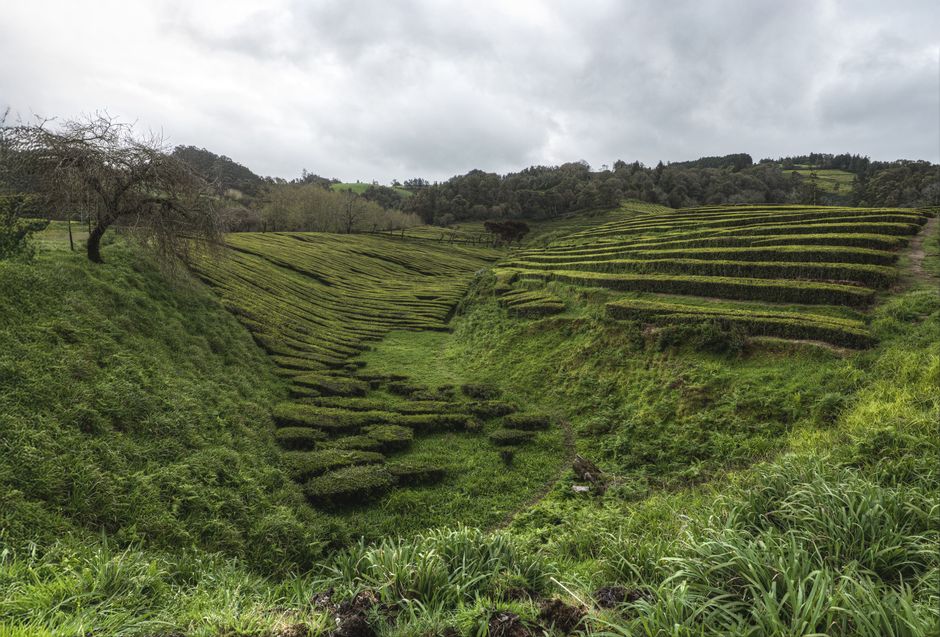
The north coast is also tea country. Gorreana is often described as the oldest tea plantation in Europe, and Porto Formoso, further along the coast, has another well-known tea factory and visitor site. You can walk among the tea bushes with the ocean behind them, and sample the tea. We cover both in our guide to the Azores tea plantations.
As a base, Ribeira Grande makes sense if you prefer a smaller town to a city, want to surf or walk, or plan to explore both the north and the east. It is also a sensible midpoint if you want to avoid doing every excursion from Ponta Delgada. Be prepared for changeable weather: clouds often gather on the higher ground even when the south coast is bright.
Best for: surfers, tea and nature lovers, travellers on their second visit, those who want a local-town atmosphere.
Nordeste: The Quiet Green Corner
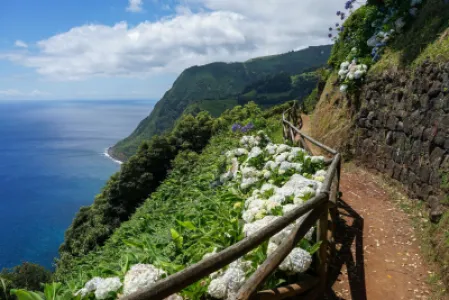
Nordeste sits at the far eastern end of the island and is the least visited of these five areas. That is part of its appeal. The landscape is steep, deeply green and dotted with small villages, with rugged cliffs meeting the Atlantic. Viewpoints such as Ponta do Sossego, with its landscaped terraces looking over the coast, are among the most photographed spots on this side of São Miguel, and the municipality is known for its wild hiking and coastal scenery.
Walking is a good reason to come here. There are marked trails in the area, some of them following old paths between villages and the sea. Trail conditions, difficulty and closures vary, so check current information from official sources before setting out, and bring waterproofs and sturdy footwear.
The trade-off is distance. Nordeste is far from the airport and from Ponta Delgada by island standards, the roads are winding, and services such as restaurants and shops are fewer.
Best for: hikers, photographers, travellers seeking quiet, those on longer stays.
Vila Franca do Campo: The Old Capital and Its Islet
Vila Franca do Campo, on the south coast east of Ponta Delgada, was once the island's capital, until a major earthquake in 1522 destroyed much of the town and the title moved to Ponta Delgada.
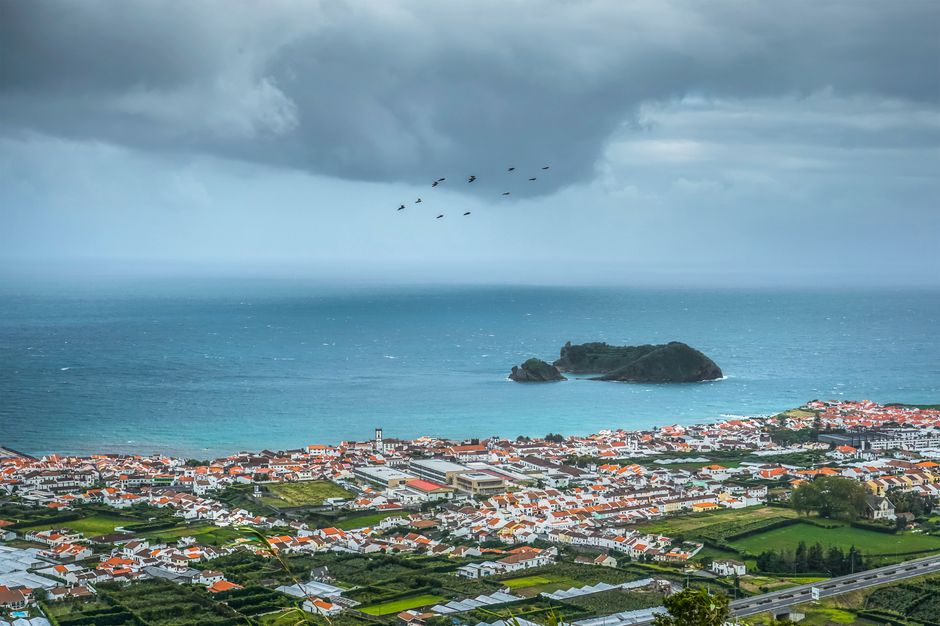
Its best-known sight is the Ilhéu de Vila Franca, a small islet just offshore that is the remains of a volcanic crater, with a sheltered natural pool of sea water inside. It is a protected area, and access is regulated: visits are typically by boat in the warm season only, with numbers limited and sometimes a reservation required. Dates, schedules and conditions change from year to year, and the sea can cancel crossings, so check locally before building a day around it.
The town is also a convenient stopping point between the city and Furnas. As a base it offers a calmer alternative to Ponta Delgada, within reasonable reach of the airport and of the Furnas valley, though with fewer evening options. It suits visitors who want a beach-and-sea feel without the bustle.
Best for: relaxed summer stays, families, travellers who want to be between the city and Furnas.
Choosing Your Base: One Hotel or Several?
There is no single right answer, but a few patterns work well:
- 2 to 3 nights: stay in Ponta Delgada and add one or two long day trips. Keep the plan simple.
- 4 to 5 nights: split between Ponta Delgada and Furnas, or between the city and the north coast. Our 5-day itinerary shows one way to organise this.
- 7 nights or more: consider three bases, for instance the city, the north coast or Furnas, and Nordeste or Vila Franca do Campo. The 7-day road trip itinerary follows this logic.
Practical Tips for Moving Between Areas
- Rent a car if you can. Public transport exists but is limited outside Ponta Delgada, and a car makes the less visited areas realistic. See our Azores car rental guide for driving tips.
- Expect weather to differ by coast and altitude.
- Check seasonal details before travelling. Opening hours, access rules for protected areas and boat schedules change, so confirm them shortly before your trip.
Frequently Asked Questions
Where is the best place to stay on São Miguel for a first visit?
Ponta Delgada is the easiest choice for most first-time visitors, thanks to its range of accommodation, restaurants and transport links. Add a night or two in Furnas or on the north coast if you have the time.
Is it better to stay in one place or move around?
For stays of up to three nights, one base is usually enough. For longer trips, splitting your stay between two or three areas reduces driving and lets you enjoy early mornings and evenings in each place.
Can I visit Furnas as a day trip from Ponta Delgada?
Yes, many people do. However, sleeping in the valley gives you a calmer experience and makes it easier to enjoy a thermal bath and a cozido without rushing back.
Do I need to book the Ilhéu de Vila Franca?
Access is regulated and usually limited to the warm season, and a reservation may be required. Check current rules locally before you travel.
Final Thoughts
São Miguel rewards a little planning. Ponta Delgada gives you convenience, Furnas gives you steam and slow food, the north coast gives you tea, surf and green hills, Nordeste gives you quiet, and Vila Franca do Campo offers an easy-going middle ground. Match your base to the kind of trip you want, keep the number of hotel changes realistic, and check current details for anything seasonal.