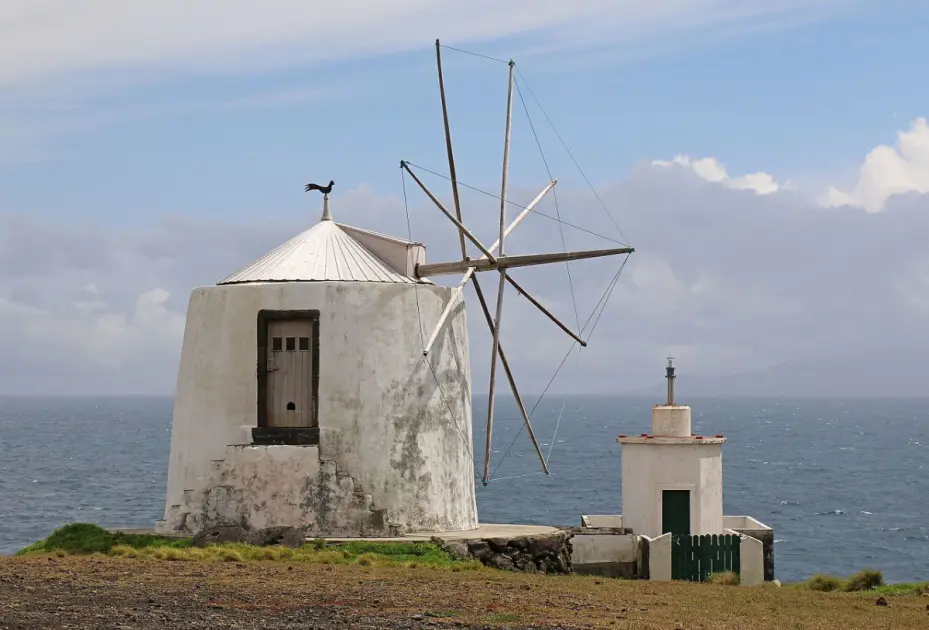
Corvo Island is the smallest and most remote of the nine Azores islands. Covering just 17.13 km² with a permanent population of around 380 people, it holds the distinction of being Europe's smallest municipality — a title that reflects its almost surreal scale. Positioned at the far northwestern edge of the archipelago, more than 550 km from mainland Portugal and just 25 km from Flores Island, Corvo is a destination for travellers seeking solitude, untouched nature and a genuinely different travel experience. This complete guide covers everything you need to know before visiting: the Caldeirão crater, rare birdwatching, how to get there and what to expect on this hidden Atlantic gem.
Europe's Smallest Municipality: Facts and Curiosities
Corvo is not merely the smallest island in the Azores — it is the smallest municipality in all of Europe. Vila do Corvo, the island's only settlement, has fewer than 400 permanent residents, making it one of the smallest communities in the world to hold official vila (town) status. The island measures just 6.4 km in length and 4 km in width, and you can drive around it in under 20 minutes.
The island's highest point is the Morro dos Homens at 718 metres, which drops dramatically into the Caldeirão caldera. Corvo was colonised by the Portuguese in the 15th century, and its inhabitants — known as corvinos — have maintained unique traditions and a distinctive dialect within the Azorean context. The local economy centres on agriculture, cattle farming and, increasingly, nature tourism.
The Caldeirão Crater: Heart of the Island
The island's most spectacular attraction is the Caldeirão — a vast volcanic caldera that dominates Corvo's interior. The caldera measures approximately 3.7 km in diameter and 300 metres in depth, forming a breathtaking circular depression blanketed in lush vegetation. At the bottom of the crater lie two lakes — the Lagoa Grande (Large Lake) and the Lagoa Pequena (Small Lake) — separated by a narrow strip of land dotted with small islets covered in grass and low shrubs.
It is possible to descend to the crater floor via a steep, unpaved trail, and the panoramic view from the caldera rim is simply magnificent. At dawn, when mist fills the crater and the first rays of sunlight illuminate the lakes, the Caldeirão becomes one of the most photogenic and evocative landscapes in the entire Azores archipelago.
To reach the Caldeirão viewpoint, follow the main road north from Vila do Corvo. The road ends near the caldera rim at approximately 570 metres in altitude. Walking around the rim offers different perspectives at every turn and rewards every step of effort. On clear days, Flores Island is visible on the horizon.
Birdwatching: A Rare-Bird Paradise
If there is one reason that puts Corvo on the radar of the world's most discerning travellers, it is birdwatching. Corvo Island is considered one of the finest locations for rare bird observation in all of Western Europe. Its unique geographic position — just 2,000 km from the eastern coast of North America — makes it a critical stopover for migratory birds crossing the Atlantic during autumn storms.
Between September and November, Corvo attracts a genuine pilgrimage of ornithologists from across Europe. During this period, birdwatchers have recorded rare North American vagrant species that can scarcely be found anywhere else in Europe: Bicknell's Thrush (Catharus bicknelli), Ovenbird (Seiurus aurocapilla), Blackpoll Warbler (Setophaga striata), Solitary Sandpiper (Tringa solitaria), and a wide range of North American thrushes and warblers. Over 30 rare species are recorded annually on Corvo, many of which appear nowhere else in Europe.
The phenomenon is explained by the island's position: when intense low-pressure systems develop over the North Atlantic, North American migratory birds are carried eastward by powerful winds across the ocean without rest. Corvo, being the first European landfall in their path, becomes the natural landing point. October and November are the most productive months for rare-bird observation, though spring (April–May) is also excellent for European and African migratory species.
Beyond the rarities, Corvo hosts significant breeding colonies of Azores-endemic seabirds, including the Cory's Shearwater (Calonectris borealis), the Azores Wood Pigeon and the Barolo Shearwater (Puffinus baroli). The near-absence of cats and other predators over much of the island benefits the nesting of these vulnerable species.
Vila do Corvo: The Island's Only Village
Vila do Corvo is the island's sole settlement and the centre of all social, commercial and cultural life. With its low basalt-stone houses, narrow streets and traditional Portuguese cobblestones, the village has a quiet, authentic charm that contrasts sharply with the pace of mass tourism. The Church of Nossa Senhora dos Milagres (Our Lady of Miracles), built in the 17th century, is the most important historic monument, featuring a well-preserved Baroque interior and a churchyard with sea views.
The village has two or three restaurants serving traditional Corvino cuisine — try the sopas do Espírito Santo (Holy Spirit soup stew), local game dishes and the island's excellent dairy products. There is also a small ethnographic museum documenting Corvo's history and traditions, with exhibits related to artisanal fishing, cattle farming and local crafts.
Corvo's small harbour is the beating heart of the community. During summer months, the jetty comes alive with the arrivals of sailing yachts and ocean-going vessels choosing Corvo as a stopover on their Atlantic crossing — the island sits on a popular sailing route between Europe and the Caribbean.
Hiking Trails on Corvo
The choice of hiking trails on Corvo is limited but of exceptional quality. The main route is the Caldeira Trail, which descends from the caldera rim to the crater floor where the lakes lie. The trail is approximately 3.5 km return with an elevation change of around 300 metres. The path can be slippery after rain, so proper footwear is essential.
For coastal exploration, the path skirting the northern part of the island offers spectacular views over the volcanic cliffs and the Atlantic. The northern coast is defined by imposing sea cliffs, sea caves and the raw beauty of black basalt rock against the deep blue ocean.
Given the island's small size, it is possible to explore all of Corvo on foot in two full days of walking, combining the caldera trail with the coastal paths. The absence of heavy traffic and crowds makes hiking on Corvo a total nature immersion experience.
How to Get to Corvo Island
Reaching Corvo requires planning — which is itself part of the island's appeal. There are two main transport options:
By Air
SATA Air Azores (Azores Airlines) operates regular flights between Flores Island (FLW) and Corvo Airport (CVU). The flight takes approximately 15 minutes and uses small aircraft (ATR or Dornier type) with limited seating capacity. Flight frequency varies by season — summer months have more weekly services. Book well in advance, especially between July and September. Travellers from mainland Portugal or abroad must connect via Flores or another Azores island hub.
By Ferry
Atlânticoline operates a ferry service between Flores Island and Corvo, primarily during the summer months (June to September). The crossing takes approximately 1 hour 45 minutes depending on sea conditions. The ferry is the preferred option for travellers with heavier luggage or those wishing to transport a bicycle. Outside the summer season, services are considerably reduced and subject to weather conditions — always confirm schedules in advance.
Best Time to Visit Corvo
The best time to visit Corvo depends on your priorities. For general tourism with fine weather and reliable transport links, June to August is recommended, with temperatures between 20°C and 25°C and long, bright days. During this period the Flores ferry runs more frequently and conditions for hiking in the caldera are ideal.
For birdwatchers, October and November are the golden months, when North American vagrants are blown across the Atlantic by autumnal storms. Weather is less stable, but the sightings more than compensate.
Spring (April–May) is equally attractive, with the island carpeted in wildflowers, European migratory birds passing through and fewer visitors than in summer.
Where to Stay on Corvo
Accommodation options on Corvo are limited but welcoming. There are several rural tourism houses and room rentals in Vila do Corvo, typically run by local families. Staying on Corvo is itself a part of the experience — the nocturnal silence, the unpolluted starry sky and the genuine hospitality of the corvinos are unforgettable. Book months in advance, particularly for October (peak birdwatching season), when availability is exhausted quickly.
Practical Tips
- Cash: There is an ATM in Vila do Corvo, but it is advisable to bring cash from Flores as a precaution.
- Weather: Corvo has a highly variable microclimate. Even in summer, fog and heavy rain are possible. Always carry a waterproof jacket.
- Car rental: A small local rental company operates on the island. Reserve in advance.
- Fuel: There is one petrol station in the village with limited opening hours.
- Internet: Mobile and internet coverage is limited in parts of the island.
- Sustainability: Corvo forms part of the Azores UNESCO Biosphere Reserve, recognised in 2022. Respect the natural environment and leave no trace on the trails.
Frequently Asked Questions about Corvo Island
What is the area and population of Corvo Island?
Corvo Island covers 17.13 km² and has a permanent population of approximately 380 to 430 people, making it Europe's smallest municipality by area and one of the smallest by population.
How do I get to Corvo from Lisbon?
The most common route is to fly from Lisbon to Flores (with TAP or SATA, possibly via Faial or São Miguel) and then take a SATA Air Azores regional flight from Flores to Corvo — a 15-minute hop. In summer, the final leg can also be done by Atlânticoline ferry from Flores.
How many days do you need to visit Corvo?
For most visitors, 2 to 3 days are sufficient to explore the Caldeirão crater, walk the coastal trails and absorb the unique atmosphere of Vila do Corvo. Birdwatchers may opt for stays of 1 to 2 weeks during the October–November migration season.
What rare birds can be seen on Corvo?
Corvo is celebrated for North American vagrant birds during autumn, including various thrush species (Catharus genus), warblers, sandpipers and finches that rarely appear elsewhere in Europe. More than 30 rare species are recorded annually, with October being the most productive month.
Is Corvo part of the UNESCO Biosphere Reserve?
Yes. Corvo is part of the Azores Biosphere Reserve, recognised by UNESCO in 2022, which encompasses the entire archipelago and acknowledges its exceptional biodiversity and conservation efforts.
Conclusion
Corvo Island is a truly unique destination: Europe's smallest municipality, a breathtaking volcanic caldera, a birdwatcher's paradise and a place where time seems to stand still. Visiting Corvo is an experience that stays with you — not for luxury or convenience, but for its authenticity, silence and the grandeur of near-untouched nature. If you are looking for an island that few people know but nobody forgets, Corvo is your destination.