On an Azorean Christmas table some sweets turn up in almost every home (filhós, rabanadas, rice pudding, bolo-rei), while others are linked to the season by many people even though they began as something else. The best-known case is massa sovada.
This guide separates the two groups, explains how filhós differ from malassadas and says where it makes sense to taste each one. There are no recipes or prices: whatever varies between islands and families is marked as such.
Which sweets really belong on the Azorean Christmas table?
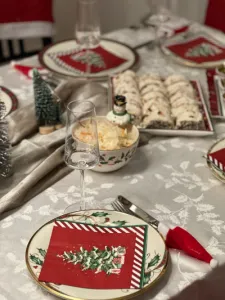
The travel guides we consulted agree on a short list: filhós, malassadas, rabanadas, rice pudding, bolo-rei, a dense fruit cake made about two weeks ahead and, to go with them, homemade liqueurs of passion fruit, milk, aniseed and orange.
Not all of it is exclusive to the islands. Rabanadas, rice pudding and bolo-rei are common across Portugal, and that is fine. What changes in the Azores is the setting: the house that receives guests, the liqueur poured beside the sweet and a Christmas cycle that runs on until Epiphany. For the wider picture of the festivities, read our article on Christmas and New Year traditions in the Azores.
Filhós and malassadas: what is the difference?
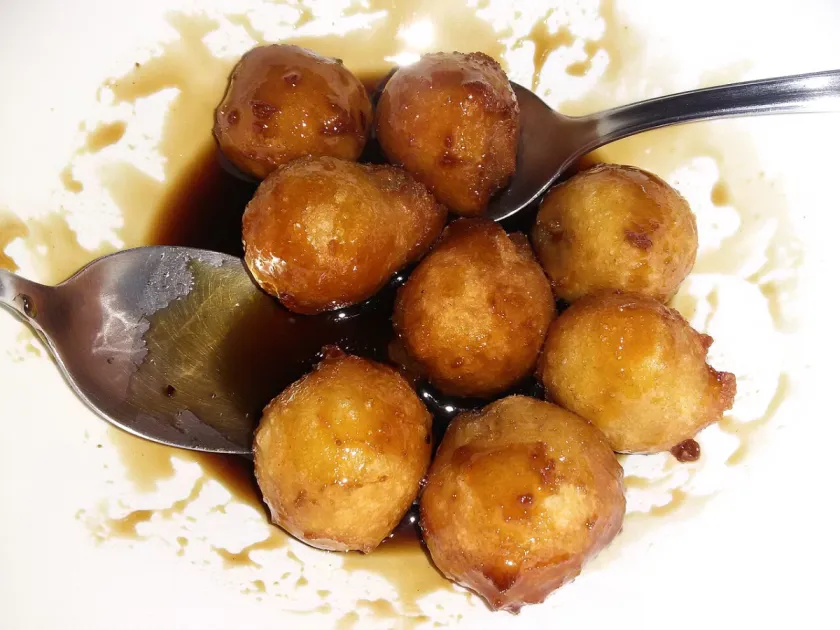
Both are fried dough dusted with sugar, which is where the confusion starts. Mainland sources describe filhós as a dough of flour and eggs, sometimes with pumpkin, carrot or orange zest, fried and served with sugar; depending on the region, some people call them sonhos and the other way round.
The malassada is a ball of yeasted dough made with flour, sugar, eggs, milk and yeast, and it is often said to come from São Miguel. In practice the name changes with the island and the family, so do not be surprised if the same dough has two names at one table. If you get the chance, ask the cook: the answer usually comes with a story.
And massa sovada? It is not only a Christmas bread
Here accuracy matters. The sources we opened tie massa sovada mainly to the Holy Spirit festivals and to Easter; one calls it the typical cake of those festivals and the companion of Terceira's alcatra. We found no source presenting it as a Christmas sweet in its own right.
That does not mean you will not see it in December. It is sold all year, and some families put it on the festive table whatever the date. The recipe varies from island to island, although the base is similar. If you want Christmas sweets proper, start with filhós, rabanadas and bolo-rei; if you simply want to try massa sovada, any season will do.
Rabanadas, rice pudding and bolo-rei
Rabanadas are made from day-old bread soaked in milk or syrup and egg, fried and rolled in sugar and cinnamon. In many Portuguese homes, Azorean ones included, they are what is left for the morning of the 25th. Creamy rice pudding with cinnamon is an equally steady, quiet presence.
Bolo-rei is the mainland tradition that settled on the islands and is eaten between Christmas and Epiphany. In bakeries it appears in December and vanishes soon after 6 January. We do not claim a separate Azorean version: expect a cake with candied fruit and dried fruit, as elsewhere in the country, with small differences from baker to baker.
The fruit cake and the homemade liqueurs
One of the most characteristic habits is the dense fruit cake, made ahead so the flavours settle. Again the recipe belongs to the family; there is no official version.
Homemade liqueurs of passion fruit, milk, aniseed or orange are offered to visitors. From Christmas Eve to Epiphany families call on each other to see the nativity scenes, and the host serves liqueur and sweets. If you are invited, accept a small glass: it is the traditional way of returning the courtesy, and anyone driving can decline with a smile.
Where can you taste them without an invitation?
The simplest route is the neighbourhood pastry shop or bakery, where seasonal sweets appear in the weeks before Christmas. Markets and local-produce fairs are another option; our guide to local markets and products in the Azores has ideas for putting a basket together. For full meals, browse the site's list of restaurants.
Christmas and New Year opening hours change every year: pastry shops close on the 25th and on 1 January or run shorter hours. We have no confirmed hours for 2026, so phone ahead or check the business's own page. If you are planning the whole dinner, the guide to Azorean food helps you decide what to order.
Frequently asked questions
Are filhós a Christmas sweet in the Azores?
Yes, they appear on the island lists of Christmas sweets beside malassadas and rabanadas. In Portugal they are also linked to Carnival, so the name and the season can vary by region.
Is massa sovada a Christmas sweet?
The sources we consulted tie it to the Holy Spirit festivals and to Easter. It can be found all year, December included, but it is not exclusively a Christmas sweet.
Where does the malassada come from?
It is often attributed to São Miguel, but we did not open an official source that fixes the exact origin. Calling it an Azorean sweet is safe; giving a date is not.
Can I buy these sweets in December?
Generally yes, in pastry shops and bakeries, but availability and hours differ by island and by business. Confirm with the business itself, especially for 24, 25 and 31 December and 1 January.